
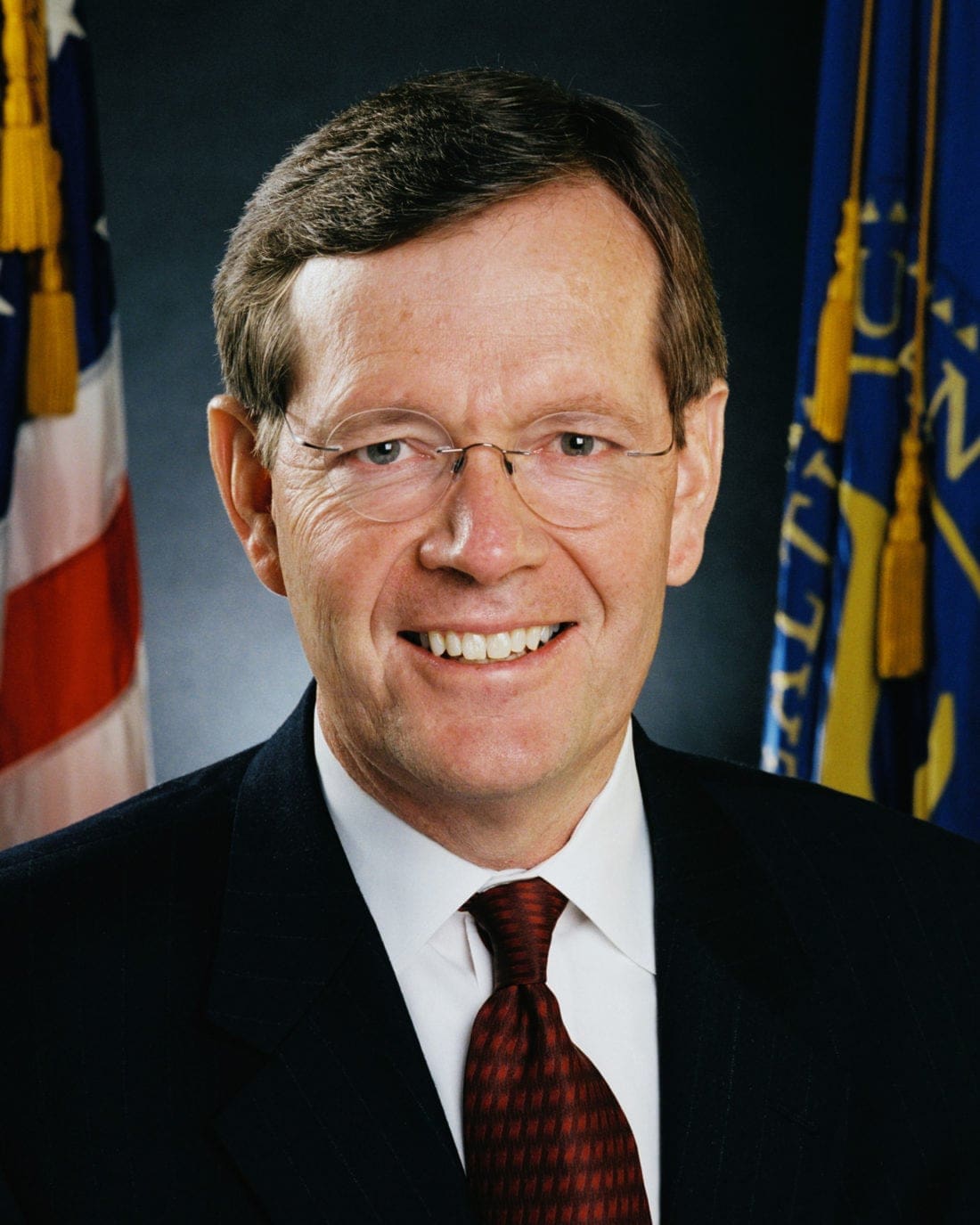
Mike Leavitt is an American Republican politician and former state and federal official who served as governor of Utah, administrator of the Environmental Protection Agency, and secretary of Health and Human Services. He is known for moving between state politics, environmental regulation, and public health administration, with a career built on executive management rather than legislative work.
| Born | February 11, 1951 |
|---|---|
| Full name | Michael Okerlund Leavitt |
| Nationality | American |
| Political party | Republican |
| Notable offices | Governor of Utah; Administrator of the Environmental Protection Agency; Secretary of Health and Human Services |
| Later role | Co-leader, Nutrition and Physical Activity Initiative at the Bipartisan Policy Center |
What kind of politician is Mike Leavitt?
Leavitt is best understood as an executive administrator. As governor, he worked in the statehouse with a focus on management, budgeting, and long-term policy planning. In Washington, he moved into agencies that deal with regulation and public services, where the job involves running large bureaucracies, setting priorities, and translating political direction into operational policy.
That background matters because his public record sits at the intersection of conservative politics and technocratic governance. He is not primarily remembered for floor speeches or ideological writing. He is remembered for handling institutions that shape daily life: environmental rules, health systems, and state government.
Governor of Utah
Leavitt served as the 14th governor of Utah from 1993 to 2003. Over two terms, he became one of the more prominent Western Republican governors of his era, working in a state known for fiscal restraint, growth pressures, and close attention to land use and resource policy. His tenure helped establish his reputation as a disciplined manager with an interest in modernization.
Governors in fast-growing states often have to deal with infrastructure, education, and environmental tradeoffs at the same time. Leavitt’s years in office placed him in that position repeatedly. The role gave him experience in balancing business development, public services, and regulation, which later shaped his federal appointments.
What did he do in federal office?
In 2003, Leavitt became administrator of the Environmental Protection Agency, where he oversaw the federal agency responsible for air, water, waste, and chemical policy. The EPA administrator does not write law, but the office has major influence over how environmental statutes are enforced and interpreted. That job requires negotiation with industry, states, scientists, and advocacy groups, often under intense political scrutiny.
He later served as secretary of Health and Human Services from 2005 to 2009. That post places a Cabinet secretary over a vast network of agencies and programs, including public health, disease control, food and drug oversight, and major healthcare administration. In practice, the office demands attention to both policy design and crisis management, since federal health institutions affect millions of people directly.
Why does Mike Leavitt matter?
Leavitt matters because he represents a type of modern Republican official who moved comfortably between state governance and federal administration. His career shows how policy in the United States often depends on people who can manage systems, not only argue about them. That makes his work relevant to environmental policy, public health policy, and the structure of executive power.
He also remained active after leaving office. At the Bipartisan Policy Center, he co-leads the Nutrition and Physical Activity Initiative, linking public health to prevention and behavior change rather than only treatment. That continuation suggests a long-standing interest in how institutions can shape outcomes at scale, especially in areas tied to health and everyday life.
Frequently Asked Questions
Was Mike Leavitt mainly a federal or state politician?
He was both, but his career began most visibly at the state level. His decade as governor of Utah gave him the public profile that led to federal appointments. The balance of his career shows a steady move from state executive office to national administrative leadership.
What agencies did he oversee in Washington?
Leavitt led the Environmental Protection Agency and later the Department of Health and Human Services. Those are large federal institutions with very different missions: one focuses on environmental regulation, the other on public health, healthcare, and social services. Both require strong administrative control and coordination across many sub-agencies.
Is he still involved in public policy?
Yes. His work at the Bipartisan Policy Center indicates continued involvement in policy, especially around nutrition and physical activity. That role keeps him connected to public health debates even after leaving elected and Cabinet office.