
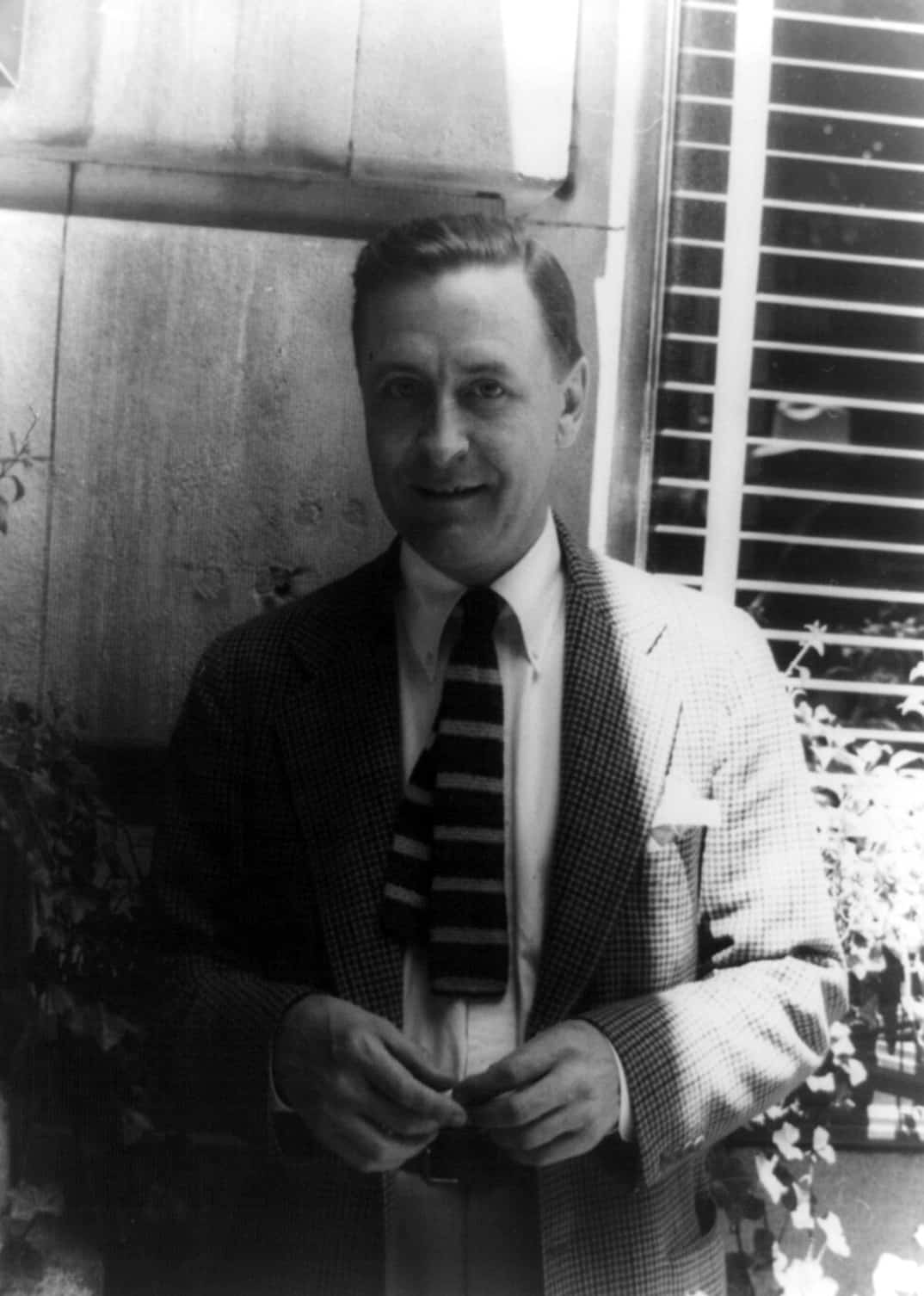
F. Scott Fitzgerald was an American novelist and short-story writer whose fiction captured the glamour, money, damage, and restlessness of the 1920s. He helped define the cultural mood later called the Jazz Age and remains best known for The Great Gatsby, a short novel about class, desire, and self-invention.
| Born | September 24, 1896, in St. Paul, Minnesota, United States |
|---|---|
| Died | December 21, 1940, in Hollywood, California, United States |
| Field | Fiction writing |
| Best-known works | This Side of Paradise, The Beautiful and Damned, The Great Gatsby, Tender Is the Night |
| Associated with | Jazz Age, Lost Generation |
Why Fitzgerald matters
Fitzgerald wrote about wealth as performance. His characters often move through parties, hotels, country houses, and city apartments, but the polished surfaces usually conceal debt, loneliness, addiction, and disappointment. That contrast gives his work its force: the prose is elegant, but the social world it describes is fragile.
He also gave a name to his era. By calling the 1920s the Jazz Age, Fitzgerald helped fix the period in the public imagination as one of speed, nightlife, new money, and moral looseness. The term now describes not just a musical style but a broader cultural moment shaped by modern advertising, changing gender roles, consumer goods, and postwar unease.
What does Fitzgerald’s writing look like?
His style is highly controlled, lyrical, and precise. Fitzgerald often builds scenes from a few sharp details: a dress, a car, a light across water, the sound of a room before music starts. He uses those details to suggest status and longing without explaining everything directly.
In practice, that means his fiction works through atmosphere as much as plot. In The Great Gatsby, for example, the famous parties are not just background spectacle; they are social machinery. They show how wealth can attract attention while failing to create real intimacy or belonging.
Which books are central to Fitzgerald?
This Side of Paradise made him famous in 1920, especially among younger readers who recognized its mix of ambition, romance, and disillusionment. The Beautiful and Damned followed soon after, exploring a marriage poisoned by money, vanity, and drift. These early books made clear that Fitzgerald was drawn to ambition and collapse rather than straightforward success.
The Great Gatsby is his most enduring work because it compresses those concerns into a tight structure. Tender Is the Night, published later, is more expansive and more overtly autobiographical in its study of emotional exhaustion, expatriate life, and marriage under pressure. Together, the novels show a writer returning to the same themes with increasing seriousness.
How did he fit into the Lost Generation?
The Lost Generation was a loose label for writers shaped by World War I and dissatisfied with inherited values. Fitzgerald belonged to that group in theme more than in manifesto. His fiction repeatedly shows people trying to live by inherited ideals of love, honor, and success while facing a modern world that has made those ideals harder to sustain.
That tension connects him to writers such as Ernest Hemingway and Gertrude Stein, though Fitzgerald’s tone is usually more romantic and self-conscious. He was fascinated by aspiration, especially when it failed. His characters often chase beauty or status with real feeling, only to discover that the social world they are trying to enter has already moved on.
Frequently Asked Questions
Why is Fitzgerald so closely linked to the 1920s?
His major books arrived just as American consumer culture, nightlife, and speculative wealth were reshaping daily life. Fitzgerald wrote about those changes with unusual clarity and style, so his fiction became one of the clearest literary records of the decade. The label “Jazz Age” stuck because his work made that era feel vivid and distinct.
Is The Great Gatsby his only important book?
No. This Side of Paradise was a major cultural hit, and Tender Is the Night is widely respected for its psychological depth and formal ambition. The Beautiful and Damned also matters as an early study of marriage and self-destruction. The Great Gatsby is simply the most concentrated and most frequently taught of the four completed novels.
What themes appear again and again in his work?
Money, class, love, youth, and loss recur throughout Fitzgerald’s fiction. He often shows people trying to transform themselves through style, romance, or wealth, then confronting the limits of those efforts. Behind the glamour, his work is usually about time passing and the cost of wanting more than ordinary life can give.
Articles mentioning F. Scott Fitzgerald
![Unusual Jobs of Famous Writers [Infographic]](https://freeyorkk.b-cdn.net/wp-content/uploads/2015/10/writers-weird-jobs2-scaled.png "F. Scott Fitzgerald")