Namco is a Japanese entertainment company known for arcade games, coin-operated machines, and amusement facilities, with roots in postwar mechanical amusements and later success in video games. It became one of the most recognizable names in arcade culture through titles such as Pac-Man, while also operating game centers and family entertainment venues in Japan. After merging with Bandai in 2005, Namco’s game development assets moved into Namco Bandai Games, and the Namco name continued as a domestic operator of arcades and amusement parks.
- Founded in Japan and headquartered in Ōta, Tokyo.
- Became famous for arcade and video game development, especially Pac-Man.
- Originally worked across coin-operated amusements, game cabinets, and public entertainment spaces.
- After 2006, its consumer game business shifted into Namco Bandai Games.
- The NAMCO wordmark is often styled in all capitals.
How did Namco begin?
Namco grew out of Japan’s postwar amusement industry, when companies built mechanical rides, children’s attractions, and coin-operated machines for department stores, shopping streets, and amusement parks. That background shaped its approach to design: sturdy hardware, simple rules, and visual appeal that worked instantly in a noisy public setting. The company’s name became tied to the arcade cabinet as much as to the software inside it.
As electronic games spread in the 1970s, Namco moved from electromechanical amusements into digital play. That shift mattered because it connected engineering, graphics, sound, and cabinet design into one product. The company did not just publish games; it helped define the arcade as a place where a machine had to attract attention from across a room, reward repeated play, and survive heavy use.
Why is Namco important in video game history?
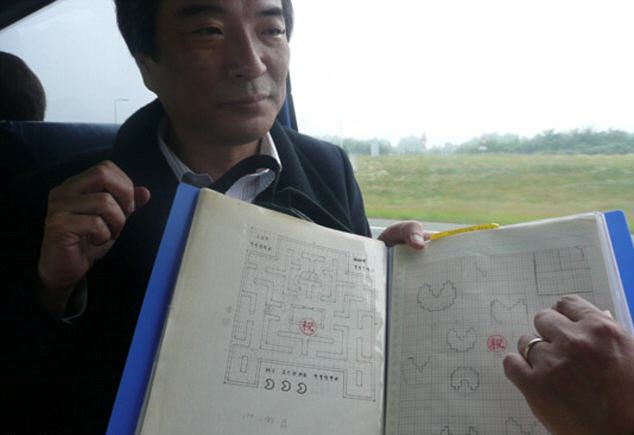
Namco became globally important through Pac-Man, released in 1980 and designed by Toru Iwatani. The game’s rounded character, bright color palette, and simple maze structure made it readable at a glance, which suited both arcades and mass audiences. Its success turned Namco into a symbol of the early video game boom and showed that arcade games could be character-driven rather than built only around shooting or sports.
The company’s influence reached beyond one title. Namco developed and distributed arcade hardware and software that helped standardize the look and feel of late 20th-century game culture: upright cabinets, bold marquee graphics, and short-session gameplay designed for public spaces. It also supported a style of game making that linked industrial design with entertainment, which later became common across the Japanese game industry.
What happened after the Bandai merger?
In 2005, Namco merged with Bandai, another major Japanese entertainment company known for toys and character licensing. On March 31, 2006, the two companies’ game production assets were spun off into Namco Bandai Games, creating a separate entity for console and software development. That restructuring reflected a broader shift in the industry, where publishing, licensing, and development increasingly sat inside larger corporate groups.
Namco itself continued under the same name for domestic operation of video arcades and amusement parks. That means the company remains present in Japan as a physical entertainment brand, even though its legacy is often discussed through its games. The separation also explains why the Namco name still appears on game centers and amusement venues while the older software catalog is now managed through successor companies.
What does Namco look like in practice?
Namco’s practical output has always been tied to machines and spaces, not just abstract intellectual property. In an arcade, that means a cabinet with a distinctive marquee, controls tuned for repeated play, and artwork built to catch the eye immediately. In an amusement park or family entertainment center, it means prize machines, redemption games, simulators, and other devices designed for circulation, noise, and fast recognition.
That material culture is part of Namco’s identity. The company worked in plastic molded parts, printed cabinet graphics, buttons, joysticks, speakers, and monitor housings, all of which had to stand up to public use. Its games were never only software; they were objects people stood in front of, touched, and learned by repetition.
Frequently Asked Questions
Is Namco still a game developer?
Not in the same way it once was. After the 2005 merger with Bandai, Namco’s game production assets moved into Namco Bandai Games, which handled development and publishing. The Namco name continued mainly as an operator of arcades and amusement facilities in Japan.
What is Namco most famous for?
Namco is most famous for Pac-Man, one of the most successful and influential arcade games ever made. The company is also associated with the broader rise of Japanese arcade culture and with cabinets that made games visible in public spaces. That reputation rests on both the software and the physical machines that carried it.
Why is Namco written in all caps sometimes?
NAMCO has often been used as a stylized corporate wordmark. The all-caps form appears in branding, signage, and older arcade materials, where bold lettering helped the company name read clearly from a distance. It is a visual choice as much as a naming convention.
At a glance
- Founded
- June 1, 1955
- Address
- Ōta, Japan
Articles mentioning Namco