
Albinism is a group of inherited genetic conditions that reduce or eliminate melanin production, producing very light skin, hair, and eyes and often affecting vision as well. It appears in humans and in many other animals, including birds, mammals, reptiles, and fish. The condition comes from variants in genes involved in melanin synthesis, most commonly genes that affect the enzyme tyrosinase or related pigment pathways.
Stories from Albinism
4 stories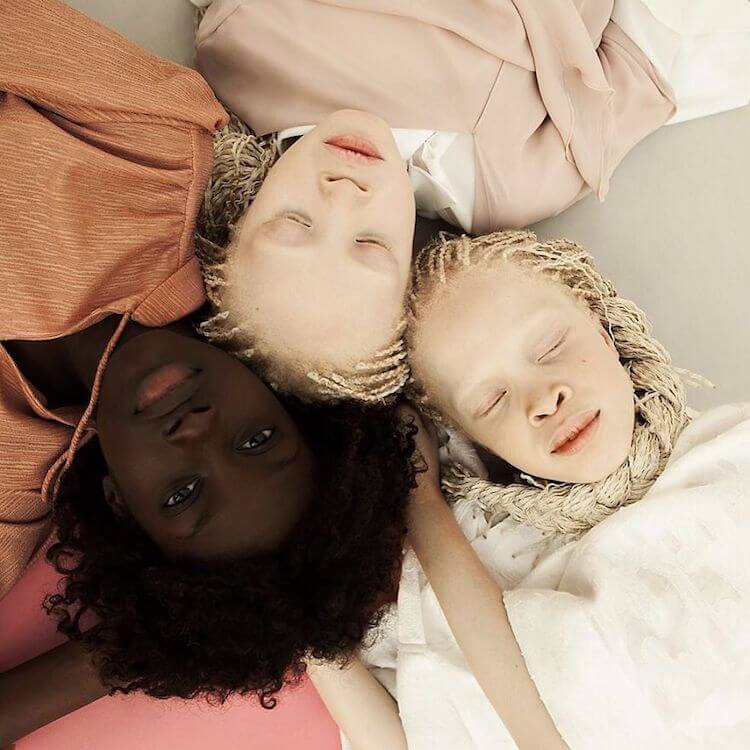


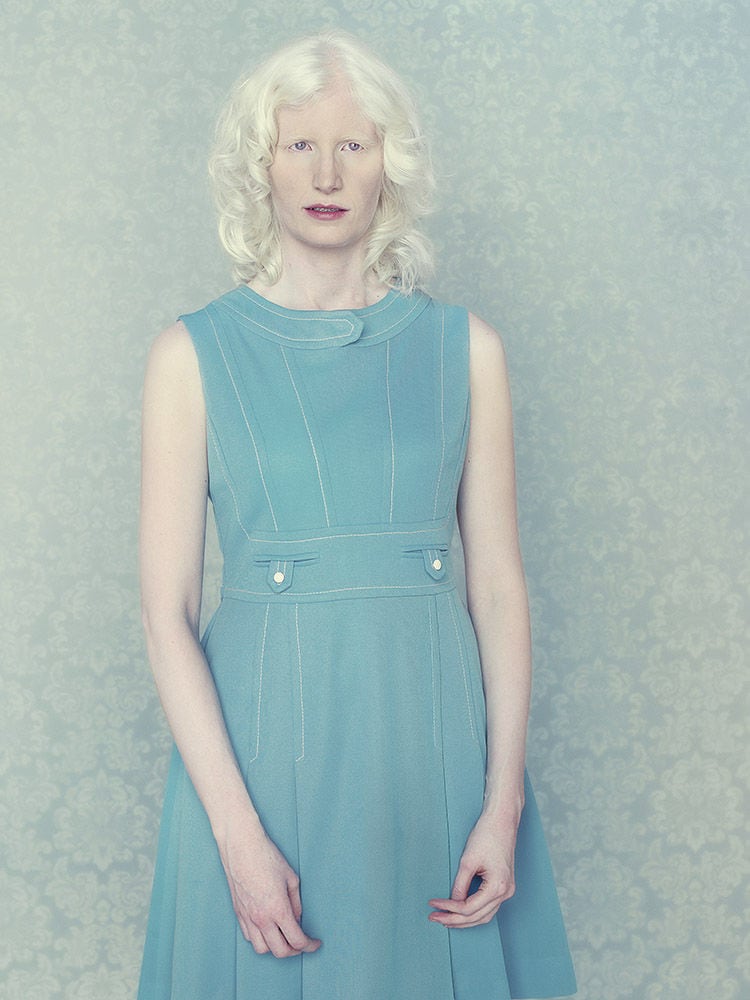
About Albinism
- It is inherited, usually through recessive gene variants.
- The main visible sign is reduced pigment in skin, hair, and eyes.
- Eye involvement is common and can include reduced visual acuity, light sensitivity, and nystagmus.
- It is not a single disease but a family of conditions with different genetic causes and severity.
- In visual culture, albinism has often been photographed for its stark tonal contrast, but that framing can flatten the lived reality of the condition.
Read the full overviewWhat causes albinism?, What does albinism look like?, Why does albinism matter in art and media?, How is albinism understood today?
What causes albinism?
Albinism develops when the body cannot make enough melanin, the pigment that gives color to skin, hair, and eyes and helps protect the skin from ultraviolet light. In many cases, the problem lies in genes that control melanin production inside pigment cells. A classic cause is a defect in tyrosinase, the copper-containing enzyme that helps start the chemical chain that turns amino acids into melanin.
Because the condition is genetic, it is present from birth. Most forms follow recessive inheritance, which means a child usually needs one altered copy of the relevant gene from each parent. Different genetic changes produce different forms of albinism, so some people have near-total pigment loss while others have only partial reduction.
What does albinism look like?
The most visible signs are pale skin, very light hair, and eyes that may appear blue, gray, or reddish in certain light. That visual profile is the reason albinism has been cast so often in photography and portraiture. But the condition is not only cosmetic. In many forms, the eyes develop differently because melanin also plays a role in normal visual development.
Common visual effects include photophobia, reduced depth perception, involuntary eye movement, and reduced sharpness of vision. Skin can burn easily in sunlight, so practical life often includes careful sun protection, protective clothing, and regular skin checks. The expression of albinism varies widely, even within the same family, which is one reason broad stereotypes around appearance are unreliable.
Why does albinism matter in art and media?
Photographers and editors have long been drawn to albinism because of the contrast it creates: pale skin against dark backgrounds, light eyes catching a hard source, and hair that reads almost white on camera. That look has produced memorable fashion and portrait work, including images that emphasize fragility, difference, or sculptural form. The aesthetic appeal is real, but it can become reductive when it turns a medical and genetic condition into a visual novelty.
Recent portrait projects have tried to do something more careful by showing people with albinism as subjects with agency rather than specimens. In good work, styling, lighting, and composition are not used to isolate the body as strange, but to build a full portrait. That matters because representation shapes public understanding, and albinism still attracts misinformation, stigma, and superstition in some places.
How is albinism understood today?
Medical understanding now treats albinism as a spectrum of inherited conditions rather than one fixed diagnosis. Genetic testing can identify specific subtypes, which helps with counseling and with understanding likely eye and skin effects. Treatment does not restore pigment, but it does address the practical consequences: visual aids, ophthalmic care, and sun protection make a real difference in daily life.
The term itself comes from the Latin albus, meaning white. Older labels such as achromia and achromatosis refer to the same broad lack of color, but they are less commonly used now. In contemporary discussion, the emphasis is usually on the condition’s biology, its health effects, and the social situations it creates rather than on whiteness as a defining identity.
Frequently Asked Questions
Is albinism the same as being very fair-skinned?
No. Very fair skin can come from ordinary genetic variation, while albinism is caused by specific changes in pigment-related genes and often affects the eyes as well. The presence of visual differences is one of the key clinical distinctions.
Does albinism always affect vision?
Most forms involve some degree of visual difference because melanin helps guide eye development before birth. The severity ranges from mild to significant. A person with albinism may rely on glasses, magnification, or other low-vision support.
Can albinism be cured or reversed?
No cure currently restores normal melanin production. Care focuses on managing the effects: protecting skin from sun damage and supporting vision with medical and optical help. Genetic counseling can also be useful for families who want to understand inheritance patterns.