
Apulia is a region in southern Italy, known in Italian as Puglia, that forms the heel of the country’s boot and stretches along the Adriatic and Ionian seas. It is a place of olive groves, white limestone towns, dry stone walls, and a long craft history shaped by farming, trade, and coastal exchange. Its capital is Bari, and its southern Salento peninsula reaches toward the Strait of Otranto, close to Greece and the Balkans.
Stories from Apulia
1 story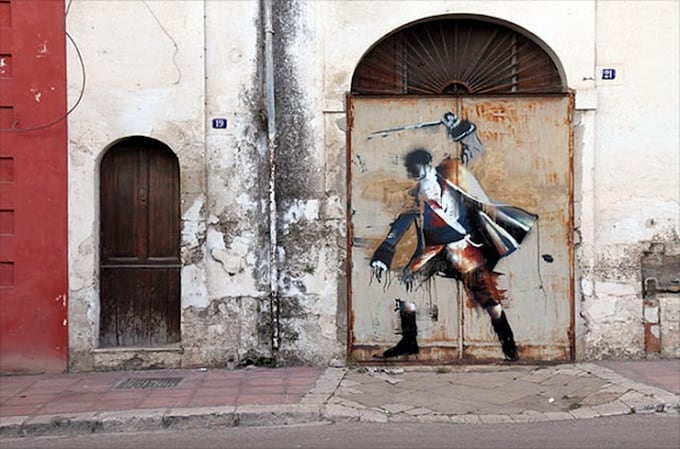
About Apulia
- Location: southern Italy, between the Adriatic and Ionian seas
- Capital: Bari
- Main geographic feature: the Salento peninsula at the “heel” of Italy
- Known for: olive oil, wheat, ceramics, stone architecture, and painted street culture
- Borders: Molise, Campania, and Basilicata
Read the full overviewWhat makes Apulia distinct?, How is Apulia made and built?, Why does Apulia matter in art and design?, What does Apulia look like in practice?
What makes Apulia distinct?
Apulia stands apart from much of Italy because geography is so visible in daily life. Long stretches of low coastline, broad plains, and limestone plateaus have encouraged agriculture and building in local stone rather than in timber or brick. The region’s light is hard and bright, which affects both the appearance of its architecture and the way artists photograph and paint it.
The region has a layered history of Greeks, Romans, Byzantines, Normans, Spanish rulers, and later Italian states. That history left behind fortified ports, churches with ornate façades, and towns built for defense as much as display. In practice, Apulia often looks pared back on the surface but dense in detail: carved portals, decorated churches, tiled interiors, and courtyards hidden behind plain walls.
How is Apulia made and built?
Much of Apulia’s built environment comes from local stone, especially pale limestone and tufa, cut for walls, vaults, and pavements. The trulli of the Itria Valley are one of the region’s best-known building types: small dry-stone structures with conical roofs, assembled without mortar from carefully stacked fieldstone. This technique reflects both material economy and technical skill, since the stability of the building depends on precise placement and weight.
Craft traditions also remain tied to agricultural life. Olive cultivation dominates large areas, and the region produces some of Italy’s most important olive oil. Ceramics, basketry, embroidery, and metalwork persist in towns and villages, often shaped by local use rather than luxury markets. These practices matter because Apulia’s visual identity comes as much from everyday making as from monumental monuments.
Why does Apulia matter in art and design?
Apulia matters because it offers a strong regional language of materials, surfaces, and color. The whitewashed walls of towns such as Ostuni, the stone lanes of Lecce, and the rough textures of rural buildings provide a backdrop that has drawn painters, photographers, film-makers, and muralists. The region’s visual character is not accidental; it comes from climate, stone, and long habits of construction and maintenance.
In contemporary work, Apulia often appears as a site where public art meets local identity. Street art in the region has found space on abandoned walls, in peripheral neighborhoods, and in smaller towns where large surfaces and slower urban change allow murals to become landmarks. That kind of work sits alongside older forms of decoration and repair, linking present-day graphic interventions to a long regional attention to surface.
What does Apulia look like in practice?
In cities and towns, Apulia is defined by contrasting textures: smooth limewash against rough stone, bright facades against shadowed alleys, and ornate church fronts against plain residential blocks. Rural landscapes often include olive trees spaced across dry fields, stone boundary walls, and farm buildings made from local masonry. On the coast, fishing harbors, concrete quays, and older defensive structures show how maritime trade and protection shaped settlement.
The region’s visual culture changes from one town to another, but it often returns to a few shared materials: limestone, stucco, terracotta, and the pale dust of dry soil. Even when contemporary artists add spray paint or paste-up posters, their work lands on a surface already marked by weather, repair, and local craft. That makes Apulia easy to recognize and difficult to reduce to a single style.
Frequently Asked Questions
Is Apulia the same as Puglia?
Yes. Apulia is the English and historical Latin form of the name, while Puglia is the Italian name used locally and in most modern contexts. Both refer to the same region in southern Italy.
What is Apulia best known for?
Apulia is widely known for olive oil, wheat production, limestone towns, and the trulli houses of the interior. It also has a strong coastal identity, with fishing ports, beaches, and historic harbor towns. In visual culture, its whitewashed towns and stone architecture are especially recognizable.
Why do artists and designers pay attention to Apulia?
Apulia offers a clear example of how place shapes making. Its materials, especially stone and lime, give the region a distinct visual register, while its towns and rural landscapes provide surfaces for murals, signage, and public art. For artists and designers, it is a region where climate, construction, and local craft are easy to read in the built environment.