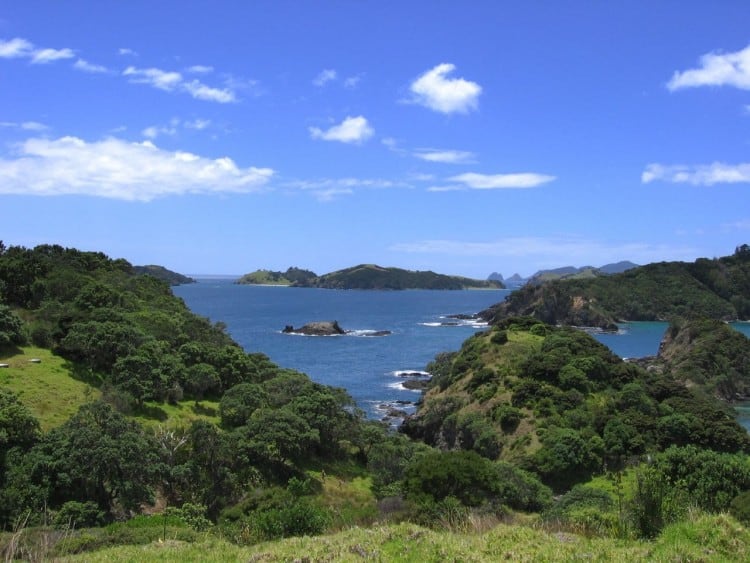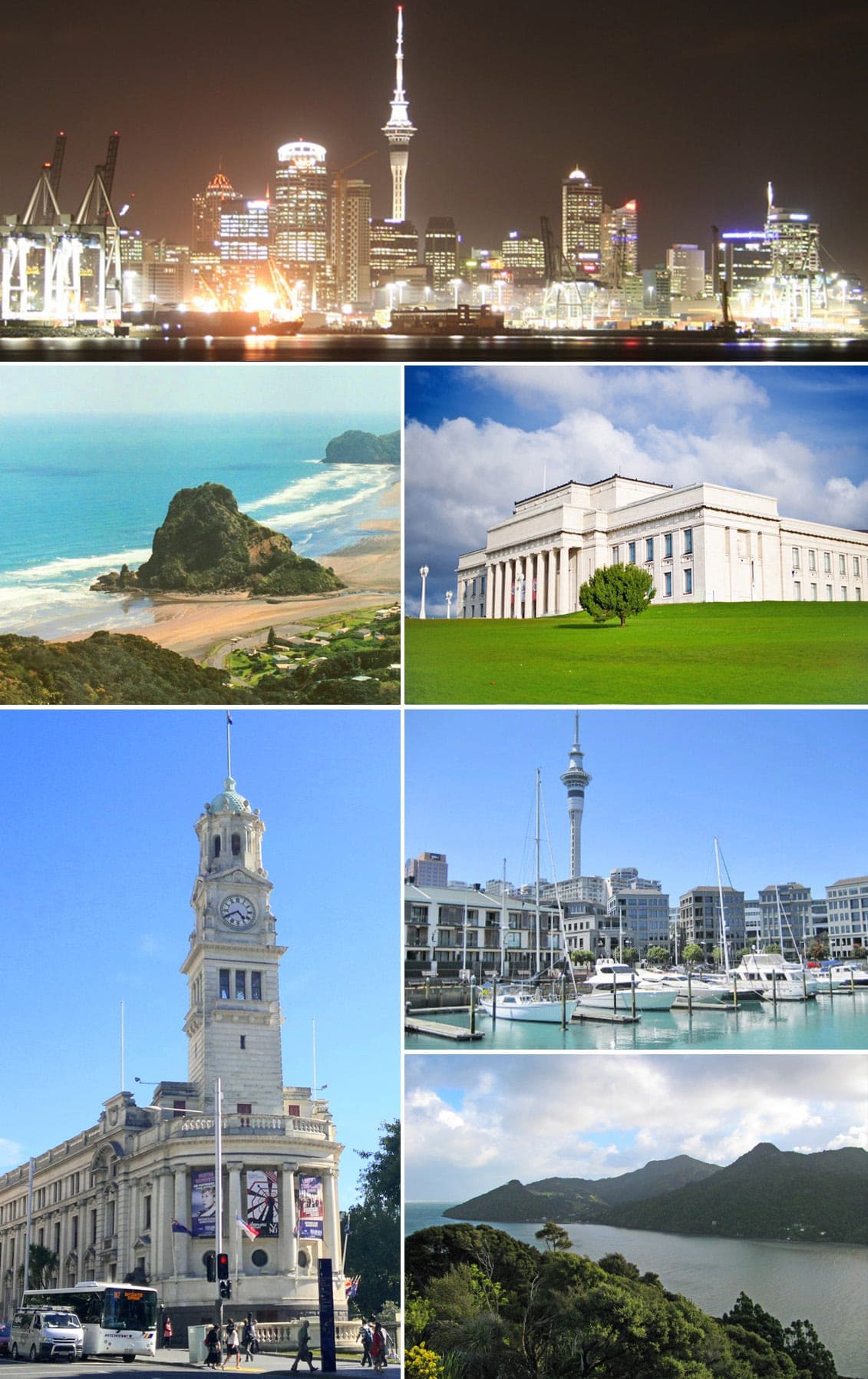
Auckland is New Zealand’s largest city and metropolitan area, on the North Island, with a major harbour setting and a population larger than any other urban centre in the country. In Māori, it is Tāmaki Makaurau; Ākarana is the transliterated form used in some contexts. It matters as the country’s main commercial hub, a dense place of migration, and a setting where contemporary architecture, public art, and craft circulate at scale.
- Largest city and urban area in New Zealand
- Located on the North Island, around two harbours and a narrow isthmus
- Known in Māori as Tāmaki Makaurau
- Has the largest Polynesian population of any city in the world
- Shows up often in design because it concentrates major commissions, makers, and institutions
Why does Auckland matter in design and culture?
Auckland matters because it is where many of New Zealand’s largest buildings, cultural venues, and public-facing projects are made visible. Architecture here often responds to a wet maritime climate, seismic conditions, steep topography, and the need to work at city scale without losing a sense of local place. That creates a strong appetite for timber, landscape-led planning, shaded public space, and buildings that open to air and light.
The city also sits at the centre of a diverse Pacific urban culture. That is not just a demographic fact; it shapes visual culture, from bilingual naming to community art, festival graphics, and the way public institutions present themselves. For writers and makers, Auckland is often the place where local identity, migration, and modern urban development meet in plain view.
What does Auckland look like in practice?
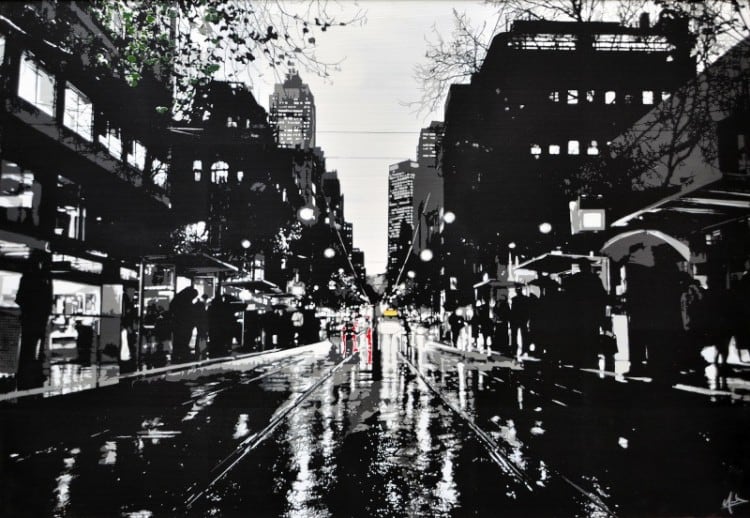
Auckland’s built environment mixes waterfront towers, suburban sprawl, volcanic cones, older villas, and large infrastructure works. A single city can contain a timber-heavy office headquarters, a stencil mural on a wall in the inner city, a sculpture placed in a park, and a housing project tied to transport corridors. That variety is part of its character: design is rarely isolated from everyday urban life.
Materials in Auckland often reflect climate and context. Timber is common in contemporary work, both for structural reasons and for a softer visual fit with landscape and biophilic design. Concrete, steel, and glass dominate more conventional commercial buildings, while public art and street interventions may use paint, paste-up, spray paint, found surfaces, or carved and cast forms depending on the maker’s method.
How is Tāmaki Makaurau different from a generic “city”?
The Māori name, Tāmaki Makaurau, points to long settlement history and to the city’s significance beyond its modern municipal boundaries. It is not simply a renamed version of Auckland; it carries a different cultural frame, one rooted in Māori geography, ancestry, and place-based memory. Any serious account of the city has to hold both names and the histories they represent.
That dual naming matters in practice. It appears in institutions, signage, public ceremony, and in the language of architecture and planning documents. In visual culture, this often means work in Auckland is asked to do more than look contemporary: it also has to register Indigenous presence, regional identity, and the layered histories of land use and settlement.
Frequently Asked Questions
Is Auckland a city or a region?
Auckland is both a city and a metropolitan area, and the term is often used broadly to describe the whole urban region. The urban area extends well beyond the central business district and includes many suburbs, harbourside areas, and satellite communities. In everyday use, “Auckland” usually means the wider city rather than just the downtown core.
Why is Auckland important in New Zealand architecture?
Auckland receives many of the country’s biggest commissions because it is the largest market and home to many corporate and cultural clients. Its climate and topography also influence design choices, encouraging shaded outdoor connections, durable materials, and responses to volcanic and waterfront conditions. As a result, many prominent New Zealand buildings are conceived with Auckland as their primary context.
What does the Māori name Tāmaki Makaurau mean?
Tāmaki Makaurau is commonly understood as a name expressing the desirability and richness of the place, often glossed as “Tāmaki desired by many.” It reflects the area’s long value as a settlement and resource-rich location. In contemporary use, it signals that the city exists within a Māori historical and cultural landscape, not only a colonial or commercial one.
At a glance
- Address
- Auckland Region, New Zealand
- Coordinates
- -36.840416, 174.73987
Articles mentioning Auckland