
Catherine Deneuve is a French actor known for cool, composed screen performances that helped define an image of modern French femininity in cinema from the 1960s onward. She became internationally famous through roles in Repulsion (1965), Belle de jour (1967), The Last Metro (1980), and Indochine (1992), and she also appeared in a small number of English-language films, including The Hunger (1983). In fashion and advertising, Deneuve’s face has often been used to signal refinement, distance, and controlled glamour.
Stories from Catherine Deneuve
2 stories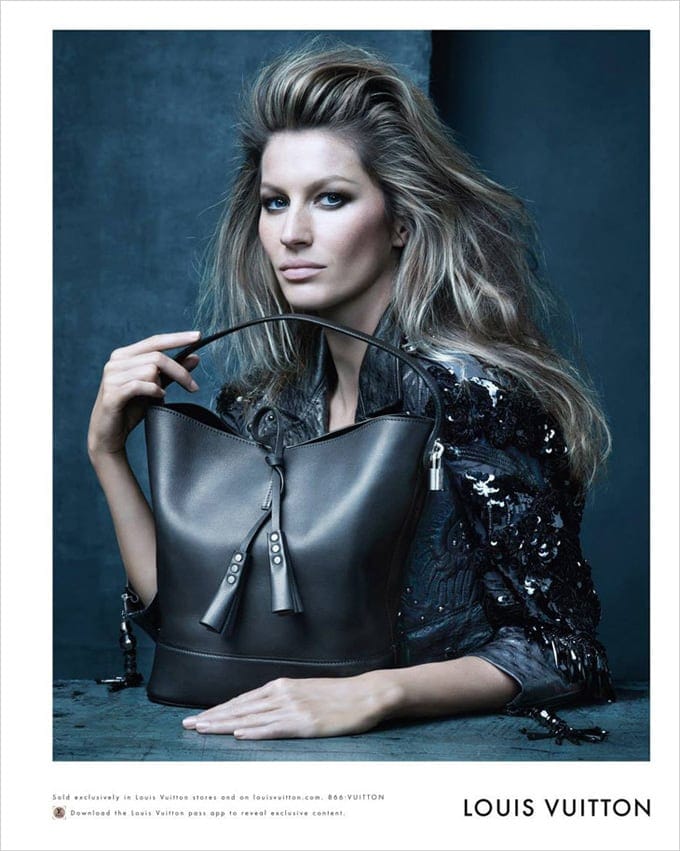
About Catherine Deneuve
- Associated with restrained, elegant, and often enigmatic screen roles
- Rose to prominence in 1960s French cinema and remained active across decades
- Worked with major directors including Luis Buñuel, François Truffaut, and Roman Polanski
- Her image has been used in fashion campaigns because it reads as polished, mature, and unmistakably French
Read the full overviewWhy did Catherine Deneuve become such a lasting screen presence?, What does a Catherine Deneuve role look like?, How did she shape fashion and advertising?, What has she done beyond the roles she is most famous for?
Why did Catherine Deneuve become such a lasting screen presence?
Deneuve’s importance comes from the precision of her persona. She rarely played warm or openly expressive characters; instead, she made stillness, composure, and ambiguity feel magnetic. In Repulsion, she gave psychological fracture a controlled surface. In Belle de jour, she turned a bourgeois housewife’s secret life into something cool, elegant, and unsettling. That combination gave filmmakers a way to cast desire, distance, and danger in the same face.
Her image also traveled well beyond France. Deneuve became one of the best-known French actors internationally because her style felt legible even without heavy dialogue: posture, expression, costume, and silence did much of the work. That made her useful to cinema and to image-making more broadly, including photography, poster design, and luxury branding.
What does a Catherine Deneuve role look like?
A Deneuve performance often depends on restraint. She typically projects poise before emotion, and control before confession. Costume matters in those roles: tailored coats, gloves, rigid silhouettes, immaculate hair, and carefully arranged interiors help frame her characters as self-contained figures. Directors used that surface not as decoration but as meaning. The look suggested class, discipline, and a private life that remained partly inaccessible.
This is one reason she became linked to fashion culture. Deneuve’s screen image did not read as casual or spontaneous; it read as constructed. That quality suited magazines, couture houses, and campaigns that wanted elegance with a hint of distance. When a fashion house uses Deneuve, it is usually borrowing not youth but authority, polish, and a memory of French cinematic style.
How did she shape fashion and advertising?
Deneuve’s influence on visual culture extends through the way brands use her likeness and reputation. Luxury advertising often seeks a face that can carry material qualities such as silk, leather, perfume, or tailoring, and Deneuve has long signaled those associations. Her presence suggests craftsmanship and discipline rather than trend chasing. She fits campaigns that want clothes or objects to appear enduring, not disposable.
That is especially visible in projects that pair her with younger creative figures or with film-world references. Her image can bridge generations: it carries 1960s and 1970s French cinema, but it still reads as current because the underlying codes are stable—precision, reserve, and a slight chill. In that sense, she is less a celebrity endorsement than a visual shorthand for a particular standard of elegance.
What has she done beyond the roles she is most famous for?
Deneuve has worked steadily in French cinema for decades, taking on roles that vary from melodrama to comedy to historical drama. She won César Awards for The Last Metro and Indochine, and she received an Academy Award nomination for Indochine as well. Those honors matter because they show her range: she was not only a symbol of coolness, but also a serious dramatic actor with long-term artistic reach.
Her career also includes collaborations outside the main French art-cinema canon, including the cult horror film The Hunger. That film sharpened another side of her persona: not just elegance, but a kind of enduring, almost sculptural glamour. Across the work, she has remained a figure whose meaning comes from form as much as performance.
Frequently Asked Questions
Is Catherine Deneuve mainly a French film actor?
Yes. Her career is rooted in French cinema, and that is where she became a major cultural figure. International audiences know her through a few English-language films, but her most important work comes from French-language roles with directors such as Buñuel and Truffaut.
Why do fashion brands keep using her image?
Deneuve represents a specific kind of elegance: controlled, mature, and sharply composed. That makes her useful for luxury branding, where products are often framed as crafted objects rather than fast-fashion items. Her face also carries strong associations with French style and classic cinema, which adds cultural weight to campaigns.
What is she best known for visually?
She is best known for an image of coolness and reserve. On screen, that usually appears through precise styling, minimal outward emotion, and costumes that emphasize structure over softness. The result is a look that feels deliberate and iconic rather than casual.