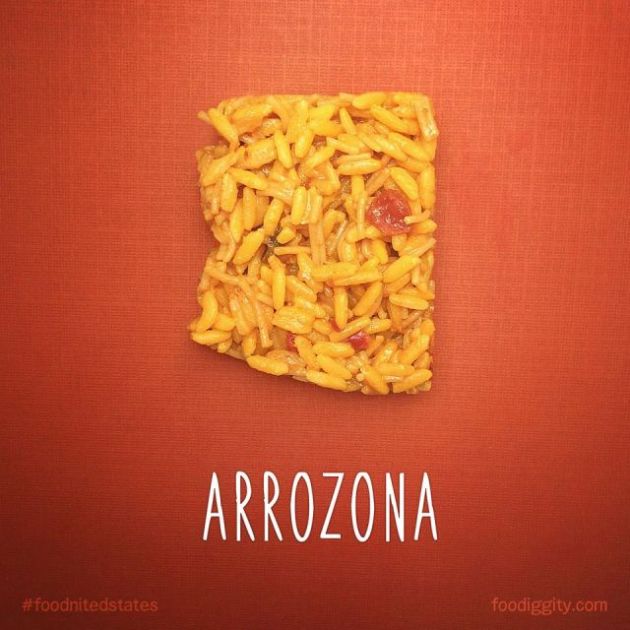
Chris Durso is a food artist and designer known for building detailed, often playful works from edible materials, especially pieces that sit between illustration, sculpture, and culinary display. His practice treats food as a visual medium rather than only something to eat, using ingredients, arrangement, and color to make images that hold up both as composition and as appetite.
| Essential fact | Detail |
|---|---|
| Field | Food art, visual design, culinary installation |
| Known for | Edible compositions and food-based image making |
| Materials | Fruit, vegetables, prepared foods, sauces, and other edible elements |
| Approach | Builds images and forms through placement, texture, and color |
| Why it matters | Shows how food can function as a medium for graphic and conceptual work |
What kind of work does Chris Durso make?
Durso’s work sits in the overlap between art direction and culinary craft. Instead of plating food only for taste or service, he uses ingredients to construct scenes, patterns, and recognizable images. The result often feels like a still life that has been assembled from produce, prepared dishes, and pantry items, with each component chosen for its shape and hue as much as for flavor.
This approach depends on careful making. Food has limited stability, so composition, timing, and surface texture matter as much as the concept. Durso’s images therefore tend to have a direct, handmade quality: the viewer can read how slices, spreads, piles, and garnishes have been arranged to create form.
Where did this approach come from?
Durso’s practice belongs to a broader tradition of food as visual culture, where chefs, stylists, and artists use ingredients to make images that communicate before they are consumed. That tradition includes magazine food styling, restaurant presentation, and contemporary food art, all of which treat the table as a site of design. Durso works within that lineage but pushes toward the made object, where the food itself becomes the medium of the picture.
The rise of social media has also made this kind of work more visible. Edible images travel well because they combine recognition, surprise, and appetite in a single frame. Durso’s work fits that environment, but it still relies on older skills: knowing how ingredients behave, how color reads on camera, and how to build an image that survives long enough to be seen.
Why does it matter?
Durso’s importance lies in the way he expands the idea of what food can do. A meal can nourish, but it can also depict, comment, and entertain. When food becomes image-making material, the skills of cooking and the logic of design begin to overlap more openly.
That matters for visual culture because it challenges a strict separation between fine art and craft, or between something eaten and something displayed. Durso’s work shows that edible matter can carry composition, humor, and narrative. It also reminds viewers that design is not limited to durable materials; some of the strongest visual statements are temporary by nature.
How does it look in practice?
In practice, Durso’s work usually depends on clear visual structure. Ingredients are selected for contrast: bright against dull, smooth against rough, dense against loose. A fruit slice may function as a geometric shape, a spread as a field of color, and a scatter of herbs or seeds as texture. The piece often reads first from a distance, then rewards closer looking with evidence of hand assembly.
Because the medium is perishable, the process is as important as the finished image. Food has to be cut, stacked, chilled, smeared, or piped at the right moment. Lighting, photography, and presentation complete the work, since the camera often preserves what the edible object cannot. That makes Durso’s practice both a culinary exercise and a form of staged visual design.
Frequently Asked Questions
Is Chris Durso a chef or an artist?
He is best understood as a food artist and designer, though his work draws on culinary technique. The distinction matters because the goal is not only to prepare something edible, but to make an image or object that operates visually. His practice uses the skills of cooking in service of composition.
What materials does he work with?
Durso works with edible materials such as fruits, vegetables, prepared foods, sauces, and other kitchen ingredients. The exact materials change from project to project, but they are chosen for how they look, behave, and hold shape. Color, texture, and stability all matter.
Why is food used as an art medium?
Food offers immediate associations: comfort, culture, abundance, waste, pleasure, and labor. Those associations make it useful for artists who want to make images that feel familiar but still surprising. It also introduces time into the work, since edible pieces change, soften, or disappear quickly.
Articles mentioning Chris Durso