
Christopher Morris is an American photojournalist known for frontline coverage of war, political conflict, and state power. His pictures have appeared in major magazines and news outlets, and his career has been shaped by long assignments in places such as Iraq, Afghanistan, Chechnya, Colombia, Somalia, and the former Yugoslavia. He is also a founding member of VII Photo Agency, a collective created by photographers seeking more editorial control over their work.
Christopher Morris (photographer) on FreeYork
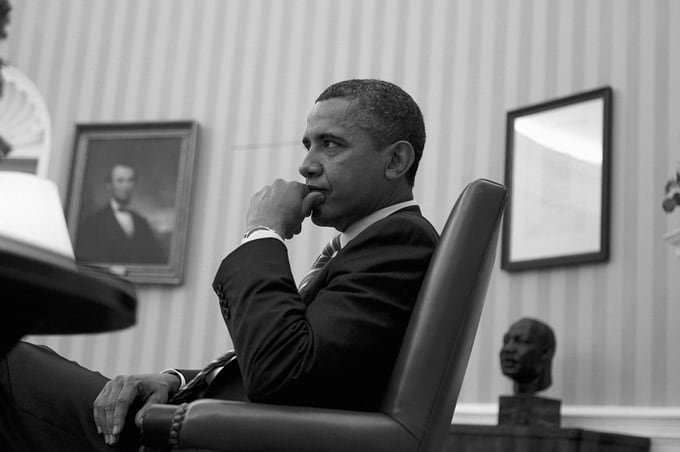
About Christopher Morris (photographer)
| Field | Details |
|---|---|
| Born | American photographer |
| Known for | War photography and political photojournalism |
| Subjects | Armed conflict, military occupation, insurgency, presidential politics |
| Notable clients | Time and other international news publications |
| Organisation | Founding member of VII Photo Agency |
What Morris photographs
Morris built his reputation on close-up, high-risk reporting from war zones. His images do not simply show explosions or battlefield action; they often focus on soldiers waiting, civilians under pressure, ruined streets, temporary shelters, and the uneasy routines that settle in during conflict. That approach gives his work a documentary force that depends as much on aftermath and atmosphere as on dramatic events.
He has covered a long list of conflicts, including the Persian Gulf War, the U.S. invasion of Iraq, the wars in Afghanistan, Somalia, Yugoslavia, and Chechnya, as well as the drug war in Colombia. Across those assignments, the common thread is sustained attention to how violence reorganises daily life. The pictures often rely on tight framing, hard light, dust, smoke, and abrupt gestures, all of which are characteristic of field photography made under pressure.
Why did his work matter?
Morris worked during a period when conflict photography was changing. News organisations still wanted images that could explain a war quickly, but photographers were also building longer careers around recurring international crises. Morris’s work mattered because it combined access, urgency, and consistency. Repeated coverage of major conflicts gave editors a visual record that could track a war beyond the first headline.
His photographs also sit within a larger argument about what war images should do. Some photographs exist to document, some to accuse, and some to persuade. Morris’s work often does all three. It records military and political events while also shaping how those events are remembered, especially when published in the context of magazines such as Time, where image selection and sequence carry as much weight as the individual frame.
How does his photography look in practice?
Morris’s pictures tend to be direct and immediate, with a press-photography clarity that leaves little room for decorative treatment. The visual language comes from working fast in unstable conditions: available light, quick decisions, and a preference for moments that reveal tension rather than spectacle alone. In that sense, the craft is less about studio control than about timing, positioning, and endurance.
That practice depends on field discipline. War photography requires logistics, local contacts, movement through restricted areas, and a willingness to return to the same conflict over time. Morris’s career shows how a photographer can turn those repeated encounters into a coherent body of work. The photographs are made in the field, but their meaning depends on the broader sequence of coverage, publication, and editorial context.
VII Photo Agency and the business of independence
Morris was a founding member of VII Photo Agency, a collective formed by photographers who wanted more control over how their work was assigned, edited, and distributed. In practical terms, agencies like VII changed how photojournalists could negotiate with publishers and clients. They also gave photographers a way to build a shared reputation without surrendering authorship to a single news desk.
That matters because conflict photography is expensive, risky, and often politically sensitive. A photographer covering foreign wars needs not only access but also a structure for protecting the work after it is made. VII became part of a wider shift in editorial photography, where photographers were no longer just contributors to magazines but active managers of their own archives, commissions, and public identities.
Questions
Is Christopher Morris mainly a war photographer?
Yes. War and conflict photography define his career more than any other subject area. He is best known for images made in active conflict zones and for long-term coverage of wars and political crises.
What is VII Photo Agency?
VII Photo Agency is a photographer-founded agency created to give its members more control over assignments, publishing, and rights. Morris helped found it alongside other photographers with strong documentary and conflict-reporting backgrounds. The agency became influential because it treated photographers as independent authors, not just image suppliers.
Why is Morris associated with major news magazines?
His work fits the demands of picture-led journalism: it is immediate, legible, and tied to major public events. Publications such as Time used photographers like Morris to build visual coverage of wars and presidencies. That kind of placement helped make his name familiar to readers of international news photography.