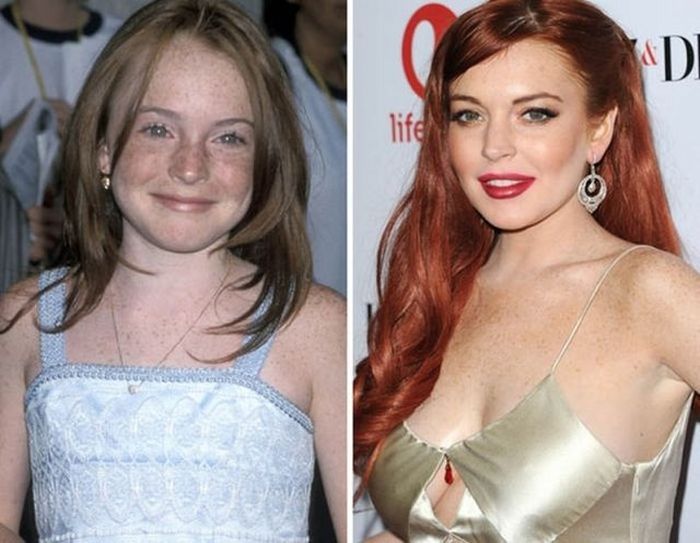
Dakota Fanning is an American actor whose career began in early childhood and quickly moved from precocious supporting roles into adult film and television work. She became widely known after I Am Sam (2001), where her performance at age seven drew unusual attention for its control, clarity, and emotional precision. Since then, she has built a long screen career across studio films, independent projects, and period drama.
- She first became a major name as a child performer, not as a model or singer.
- Her early roles established her as one of the most visible child actors of the 2000s.
- She worked in large-scale productions such as War of the Worlds and Charlotte’s Web, then moved into more varied adult roles.
- Her career is often discussed in relation to longevity: she is one of the few child stars to transition into sustained adult work.
How did Dakota Fanning become famous?
Fanning’s break came with I Am Sam, where she played the daughter of Sean Penn’s character. The role was small in scale but highly visible, and it showed a style of screen acting that looked natural rather than trained. Directors and casting teams quickly treated her as a serious dramatic performer, which is unusual for a child actor at that age.
After that film, she appeared in a string of major releases that kept her in public view. Man on Fire, War of the Worlds, and Charlotte’s Web placed her in different genres, from action to science fiction to family film. That range mattered because it prevented her from being fixed in one image and made her a familiar face to audiences across age groups.
What kind of roles is she known for?
Fanning is known for playing characters who are observant, intelligent, and often older in feeling than their years. As a child, that quality made her stand out in scenes built around restraint or tension. As an adult, it has suited roles that depend on composure, intelligence, or emotional understatement rather than broad expression.
Her later work has included independent films, ensemble casts, and period pieces, which gave her more room to shape a public identity beyond child stardom. That shift is important in film culture because many actors who become famous young struggle to be seen as credible adults. Fanning’s career shows a more gradual transition, where public recognition stayed intact while the range of roles widened.
Why does Dakota Fanning matter in film culture?
Fanning matters because she became a benchmark for what a child actor could do on a studio production schedule. Her early fame was not based on spectacle or novelty alone; it was tied to an unusually disciplined performance style. That made her useful to filmmakers who needed a young actor capable of carrying emotional scenes without collapsing under the weight of them.
She also became part of a larger discussion about child celebrity in the early 2000s. That period produced intense media coverage of young performers, but Fanning’s career was often framed around professionalism rather than scandal. In that sense, she represents a version of child stardom built on craft, continuity, and careful role selection.
How is Dakota Fanning seen in fashion and media images?
Outside film, Fanning has often appeared in editorial fashion contexts that emphasize poise and a quiet, polished look. Magazine features and cover stories tend to use her to signal maturity, refinement, and a certain cool reserve. That visual identity aligns with the public sense of her as someone who entered the industry early and learned to navigate attention carefully.
These images matter because they extend her screen persona into print culture. In fashion photography, clothing, posture, and styling often reinforce a narrative about transition from youth to adulthood. Fanning’s editorials frequently work this way, presenting her not as a former child star, but as an established public figure with a stable, controlled presence.
Frequently Asked Questions
Was Dakota Fanning really a child star?
Yes. She became famous while still a child, and her breakout role in I Am Sam came when she was seven. Her early career is one of the clearest examples of child stardom in early-2000s American film.
Did she only act in family films?
No. Although some of her best-known early roles were in family-friendly or mainstream films, she later moved into more varied adult work. Her career includes independent films, drama, and ensemble projects with more mature subject matter.
Why is she often mentioned in articles about younger and older versions of stars?
Because her career spans a long stretch from childhood fame to adult acting, and the visual contrast between those phases is striking. Editors often use her to show how a public image changes over time without disappearing. That makes her useful in stories about continuity, aging, and celebrity identity.
Articles mentioning Dakota Fanning