
Doutzen Kroes is a Dutch model and actress best known for her work with Victoria’s Secret, L’Oréal, and major fashion magazines. She became one of the most visible models of the 2000s through runway work, lingerie campaigns, editorial shoots, and beauty advertising. Her career shows how a model can move between commercial fashion, high-profile brand contracts, and magazine styling while remaining a recognizable public face.
Stories from Doutzen Kroes
5 stories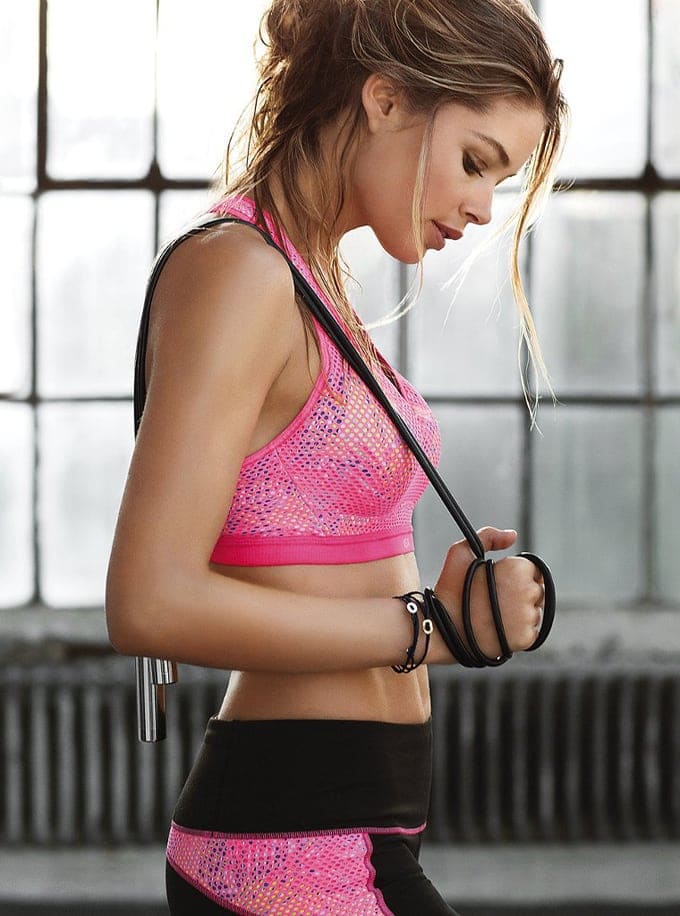


About Doutzen Kroes
| Field | Details |
|---|---|
| Born | Netherlands |
| Known for | Fashion modeling, beauty advertising, editorial work, acting |
| Breakthrough | Victoria’s Secret work beginning in 2004 |
| Major contract | L’Oréal |
| Notable recognition | Fifth on Forbes’ top-earning models list in 2012 |
Read the full overviewHow did Doutzen Kroes become widely known?, What does her modeling work look like in practice?, Why was she important to 2000s fashion culture?, Is Doutzen Kroes only a fashion model?
How did Doutzen Kroes become widely known?
Kroes built her profile through a mix of commercial and editorial modeling. Victoria’s Secret gave her sustained visibility, first through campaigns and then through her promotion to Angel in 2008. That title mattered because it marked her as one of the brand’s central faces, not just a hired model for a single season.
Her work with L’Oréal widened that reach beyond lingerie and fashion. Beauty campaigns require a different kind of image-making: cleaner styling, close-up photography, and a more polished public persona. Combined with magazine covers and fashion editorials, that made Kroes familiar across different parts of the industry.
What does her modeling work look like in practice?
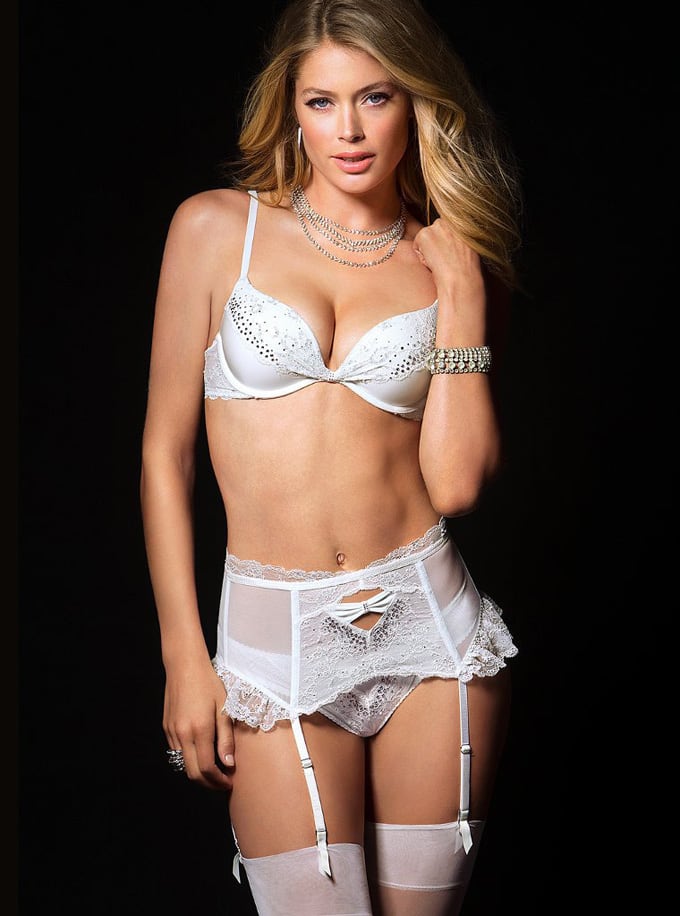
Kroes is often associated with glossy, controlled fashion imagery. In Victoria’s Secret material, the styling tends toward lingerie, athletic-inspired sets, wings, and high-glamour poses built to emphasize movement and confidence. In beauty advertising, the camera gets closer and the focus shifts to skin, hair, and facial expression rather than full styling.
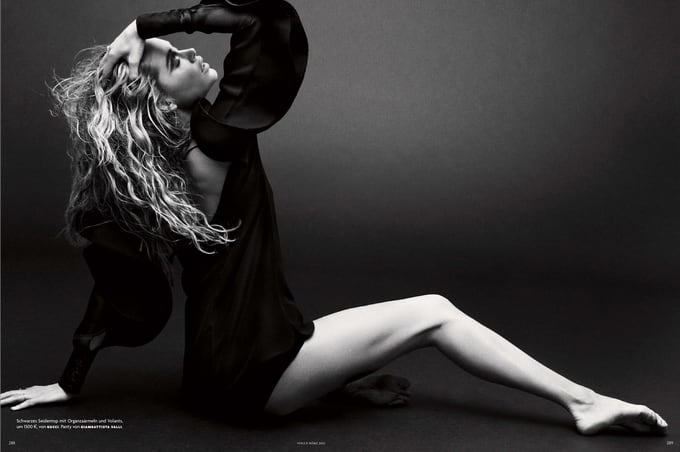
Her magazine work, including features for Vogue Germany, Vogue Paris, and H&M Magazine, places her in a different visual register. Editorial shoots can be more fashion-driven and conceptual, with stronger art direction, unusual tailoring, or stylized locations. That range is part of why a model like Kroes matters: she can carry a brand image while also adapting to the more experimental demands of fashion publishing.
Why was she important to 2000s fashion culture?
Kroes became part of a period when top models were expected to function as both runway figures and global brand ambassadors. Her rank on Forbes’ 2012 list shows how lucrative that role could be. Earnings at that level came not just from catwalk work, but from contracts, campaigns, and repeated association with a handful of major labels.
She also helped define a certain kind of mainstream model visibility: blonde, athletic, polished, and highly marketable, but still present in high-fashion magazines. That balance made her useful to brands aiming for both glamour and mass recognition. In that sense, Kroes reflects a fashion industry that increasingly relied on instantly recognizable faces to sell a lifestyle as much as a garment or product.
Is Doutzen Kroes only a fashion model?
No. Kroes has also worked as an actress, which extends her career beyond still photography and runway presentation. For many models, acting is a way to convert visual recognition into a broader entertainment profile. It also changes the kind of performance required, since acting depends on voice, timing, and sustained character work rather than pose and styling alone.
Even so, modeling remains her core identity in public culture. Her name appears most often in the context of campaigns, lookbooks, and magazine spreads, which is where her image has been most influential. Those formats rely on repetition and circulation, and Kroes has been especially effective in both.
Frequently Asked Questions
What is Victoria’s Secret Angel status?
Victoria’s Secret Angel was a formal title given to a small group of models who became the brand’s main ambassadors. It meant more visibility, more recurring campaign work, and stronger association with the company’s identity. For Kroes, becoming an Angel in 2008 confirmed that she had moved from participant to flagship face.
Why do magazines like Vogue use the same model in different markets?
Using the same model across different editions helps create consistency while still allowing each market to style the image differently. A model like Kroes can read as international, which makes her useful to magazines that want global recognizability. The photography, clothes, and art direction may change, but the face remains familiar.
How do beauty contracts differ from fashion campaigns?
Beauty contracts usually focus on products such as cosmetics, skincare, or haircare, so the image is tighter and more controlled. Fashion campaigns often emphasize clothing, silhouette, and setting, which gives them a broader visual field. Kroes worked effectively in both areas because her image could support either product-focused selling or fashion-led storytelling.