
Elvis Presley was an American singer, actor, and stage performer who became one of the defining figures of 20th-century popular music. Born in Tupelo, Mississippi, in 1935 and later based in Memphis, Tennessee, he built a career that fused rhythm and blues, country, gospel, and pop into a new commercial style that helped shape rock and roll.
Stories from Elvis Presley
6 stories


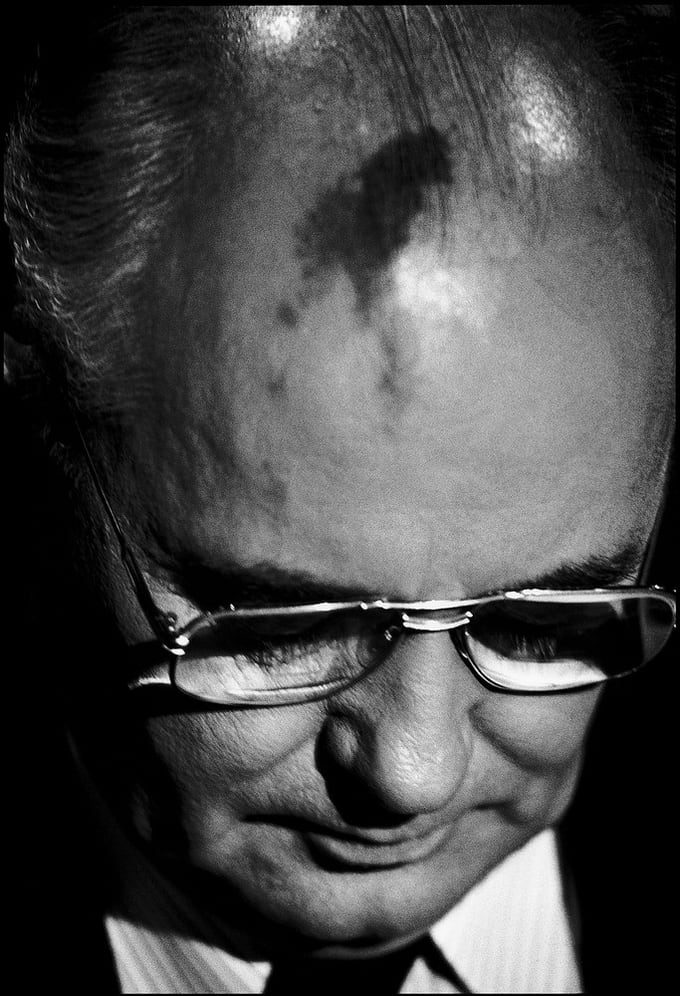
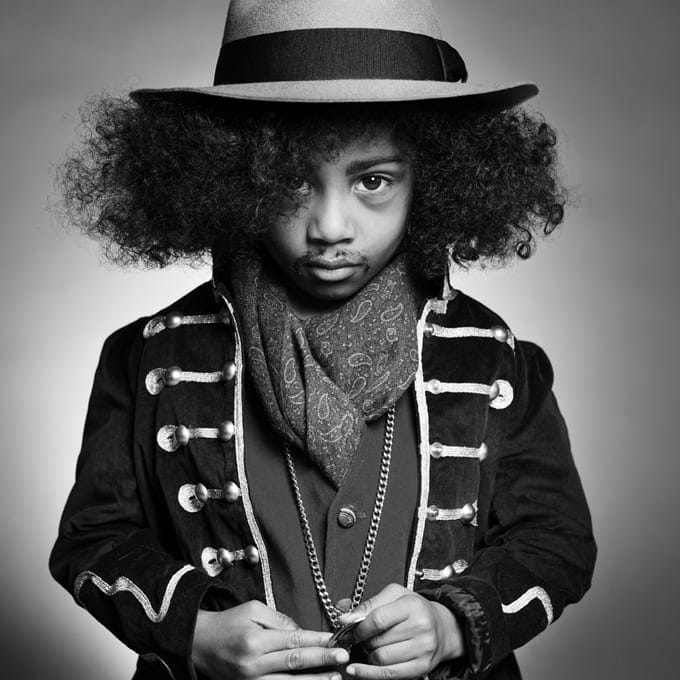
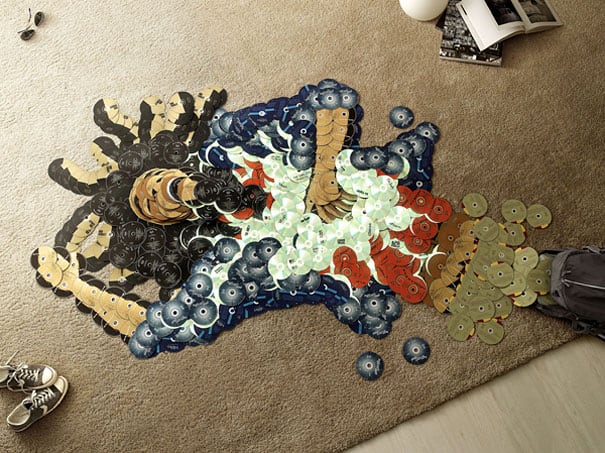
About Elvis Presley
- Presley emerged from the Memphis recording scene in the 1950s.
- His early records and television appearances made his performance style nationally visible.
- He is closely associated with rock and roll, but his work drew from Black American musical traditions as much as from country music.
- His image, voice, and costumes became fixtures of mass media and celebrity culture.
- He remained influential long after his death in 1977, especially in portraiture, memorabilia, and popular iconography.
Read the full overviewWho was Elvis Presley?, Why did Elvis Presley matter?, What did Elvis Presley look and sound like in practice?, Why do artists keep returning to Presley?
Who was Elvis Presley?
Presley began as a regional singer at Sun Records in Memphis, where producer Sam Phillips recorded him in the middle of a changing American music market. Early tracks such as “That’s All Right” and “Heartbreak Hotel” presented a new kind of vocal style: tightly controlled one moment, raw and elastic the next. His records spread quickly through radio, television, and live performance, and his move to RCA in 1955 turned him into a national star.
He also worked in film, appearing in a long series of commercial movies that extended his fame even when the material was uneven. His career showed how postwar celebrity could move across media: records, broadcast television, cinema, publicity photography, and merchandise all reinforced the same persona. That persona mattered as much as the songs.
Why did Elvis Presley matter?
Presley mattered because he made a commercially explosive version of rock and roll visible to a broad white mainstream audience. The music itself was not created by one man; it grew from Black gospel, blues, and rhythm and blues, along with country and hillbilly traditions. Presley’s success showed how those forms could be repackaged through radio, studio production, and performance style for mass consumption.
He also altered the look and behavior of pop stardom. The pompadour, sideburns, fitted jackets, and later the jeweled jumpsuits became instantly readable symbols. In photographs and posters, his body was often framed as both polished and unruly, which made him a useful image for artists interested in fame, desire, and repetition.
What did Elvis Presley look and sound like in practice?
Presley’s voice combined baritone warmth with sudden jumps in phrasing, bends, and rhythmic emphasis. He could sound intimate in a slow gospel ballad and forceful in an uptempo rockabilly track. That range gave recording producers room to shape arrangements around him, from lean early Sun sessions to thicker orchestration in his later work.
On stage, his physical movement was as important as the sound. Early television appearances made his hip movements notorious; later Las Vegas performances transformed him into a tightly choreographed spectacle. The contrast between early danger and later control became part of his legend, and it is one reason his image remains so easy to quote in collage, portraiture, and costume-based work.
Why do artists keep returning to Presley?
Presley functions as a ready-made symbol of celebrity itself. His face is widely recognized, but it also carries layers of meaning: youth, America, sex appeal, excess, nostalgia, and decline. That makes him useful for photographers and mixed-media artists who want to test how an icon survives repetition, cropping, and material translation.
He also appears in work that deals with kitsch and memorialization. Portraits made from CDs, archival photo projects, and pop-culture studies often use Presley to explore how mass media turns a person into an object. In visual culture, he is less a single biography than a template for how fame gets packaged, sold, and remembered.
Frequently Asked Questions
Was Elvis Presley really called the “King of Rock and Roll”?
Yes, that title became attached to him during his lifetime and was reinforced by publicity, fans, and the entertainment industry. The phrase reflects his enormous popularity, but it can also flatten the many artists and traditions that fed rock and roll before and alongside him. The nickname says as much about celebrity culture as it does about music history.
Did Elvis Presley invent rock and roll?
No. Rock and roll developed from earlier Black and white American musical traditions, especially blues, gospel, rhythm and blues, and country. Presley was a major popularizer and crossover figure, not the origin of the genre. His importance lies in how he amplified and commercialized an already existing musical shift.
Why is Presley so common in visual art and photography?
Presley is one of the most recognizable faces in modern culture, which makes him easy to reuse without explanation. Artists return to him because his image already carries a story of performance, excess, and repetition. He works well in photography, collage, and object-based art because his likeness is instantly legible even when it is fragmented or remade.