
Entertainment Weekly was an American magazine that covered film, television, music, Broadway, books, and other forms of popular culture, with an emphasis on entertainment news and criticism. It was launched by Time Inc. as a sister title to People, but it positioned itself less as a celebrity digest and more as a trade-like consumer magazine for the entertainment industries and their audiences.
Stories from Entertainment Weekly
2 stories
About Entertainment Weekly
- Weekly magazine founded by Time Inc.
- Focused on reviews, previews, interviews, and industry news
- Covered screen media, music, theatre, books, and pop culture
- Known for balancing fan coverage with critical judgment
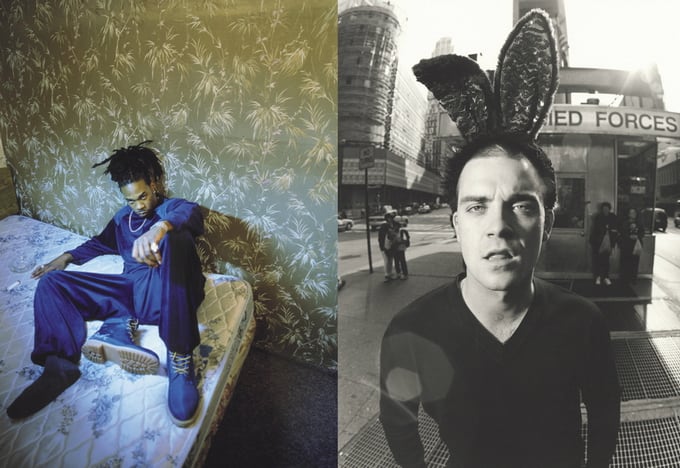
- Often featured photography commissioned for cover stories and profiles
Read the full overviewWhat kind of magazine was it?, How did it fit into magazine publishing?, Why did photographers and designers care about it?, What happened to Entertainment Weekly?
What kind of magazine was it?
Entertainment Weekly sat between mass-market celebrity weeklies and serious arts journalism. Its pages mixed box-office reports, television recaps, music coverage, and book and stage criticism with short-form reporting written for a broad audience. The magazine’s tone was brisk and accessible, but it still treated movies, albums, and shows as objects to be evaluated, not only consumed.
That balance made the title distinct. Where magazines such as People or Us Weekly often centered on celebrity life, Entertainment Weekly put the work itself in front of the personality behind it. A cover story might profile a director, actor, or musician, but the larger frame was usually the release, reception, or cultural impact of the project.
How did it fit into magazine publishing?
The magazine emerged from the media expansion of the late 20th century, when entertainment coverage became a major commercial category. Time Inc. created it as a weekly title with the pace of news publishing and the visual habits of a glossy magazine. That format let it respond quickly to openings, premieres, awards seasons, and new releases, while still shaping opinion through reviews and features.
Its business model depended on advertising from studios, networks, labels, and publishers, which made it closely tied to the entertainment economy. At the same time, the magazine’s editorial identity relied on a degree of critical independence. The tension between promotion and judgment was part of its appeal and part of its limitation.
Why did photographers and designers care about it?
Entertainment Weekly used commissioned photography aggressively. Covers and feature spreads needed images that could sell a story at a glance, and that meant careful styling, direct portraiture, and strong graphic composition. For photographers, it offered a high-visibility platform where editorial portraiture had to read instantly in print and on newsstands.
For designers, the magazine mattered because it translated a fast-moving subject into a recognizable visual system. Clear typography, bold cover lines, and tightly edited image selection gave the title a legible house style. That format made it a useful reference for how mainstream editorial design can package cultural criticism without losing speed or clarity.
What happened to Entertainment Weekly?
The magazine changed form as print media weakened and entertainment news moved online. Its original weekly rhythm became harder to sustain as audiences shifted toward web publishing, social media, and streaming platforms. Over time, the brand narrowed its print presence and leaned more on digital distribution before the print edition ended.
Even after that decline, the title remains important as a record of how late-20th-century popular culture was catalogued, reviewed, and marketed. It captured the moment when film, television, music, and celebrity journalism were being folded into one fast, glossy editorial product.
Frequently Asked Questions
Was Entertainment Weekly a gossip magazine?
No. It did cover celebrities, but its main purpose was to report on entertainment media and offer criticism of films, television shows, music, books, and stage productions. The magazine borrowed some of the accessibility of celebrity weeklies while keeping a stronger editorial emphasis on the work itself.
Why was the magazine important to photographers?
It commissioned portraits and cover images that had to work quickly and clearly in a crowded newsstand environment. That gave photographers a chance to create memorable editorial images with strong styling, lighting, and graphic impact. For many portrait photographers, appearing in its pages meant reaching a large mainstream audience.
How was it different from People?
People centered more directly on celebrity news, personal stories, and human-interest reporting. Entertainment Weekly focused more on reviewing and framing entertainment as a set of industries and cultural products. The overlap was real, but the editorial priorities were different.