
The Filipino people are the Austronesian people native to the Philippines, an archipelago in Southeast Asia with a long history of trade, migration, colonial rule, and cultural mixing. The term also refers to the large Filipino diaspora abroad, with millions of people living and working outside the Philippines while maintaining ties to its languages, foods, religions, and material traditions.
Stories from Filipino people
4 stories


About Filipino people
- Filipinos come from many ethnolinguistic communities rather than one single culture or language.
- Tagalog and Cebuano are the largest languages by native speakers, but hundreds of local languages and dialects are used across the islands.
- Filipino craft and design often draw on plant fibers, shell, wood, clay, metal, and paper, shaped by regional techniques and colonial-era exchanges.
- The diaspora has carried Filipino making practices into global cities, where they mix with host cultures and new materials.
Read the full overviewWho are the Filipino people?, What makes Filipino culture visually distinct?, Why does the Filipino diaspora matter?, How does Filipino identity appear in contemporary making?
Who are the Filipino people?
Filipinos are the main population of the Philippines, but the label covers a wide range of communities, from lowland Christian groups to Muslim populations in Mindanao and the Sulu archipelago, and many indigenous peoples in mountain and forest regions. The country’s social and cultural life reflects centuries of movement between islands, along with contact with China, India, Spain, the United States, and neighboring Southeast Asian societies.
That diversity matters because Filipino identity has never depended on a single language, religion, or visual style. It has been built through shared history and national institutions, but also through local forms of making: weaving with abaca and piña, carving wood, shaping ceramic vessels, working shell inlays, and turning leaves, bark, and reeds into useful and decorative objects.
What makes Filipino culture visually distinct?
Filipino visual culture often combines strong handcraft traditions with adaptation. Precolonial methods of weaving, knotting, carving, and metalwork continued under Spanish rule, then absorbed new materials and patterns introduced through trade and mission life. As a result, a single object may combine indigenous structure with imported cloth, Catholic imagery, or commercial finishes.
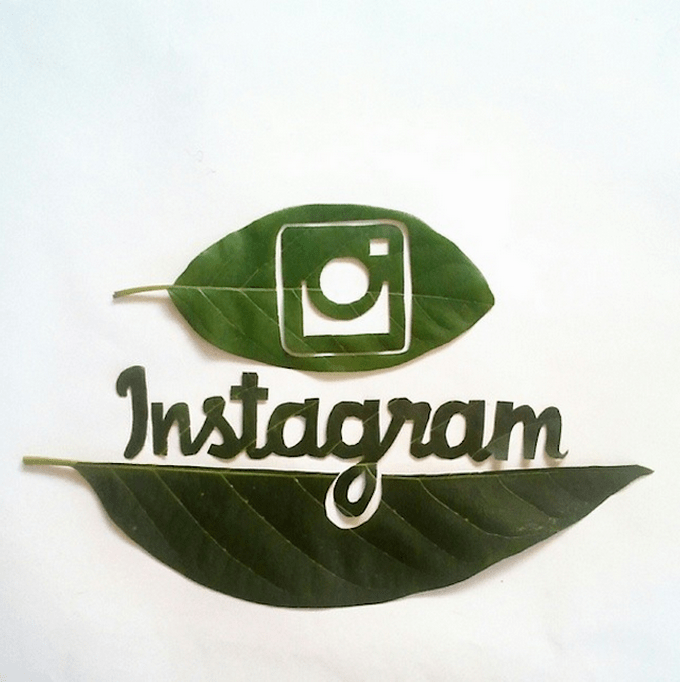
In practice, that mix appears in textile traditions such as piña fiber cloth, in banig mats woven from grasses or palm leaves, in carved ritual objects, and in contemporary art that reuses humble materials. Artists such as Gil Batle and Roy Mallari show how Filipino experience can be expressed through the handling of material itself: Batle through porcelain forms marked by memory and confinement, Mallari through leaves transformed into intricate compositions.
Why does the Filipino diaspora matter?
Migration is central to modern Filipino life. Large numbers of Filipinos have worked abroad for decades in shipping, care work, construction, domestic labor, design, and creative industries. This has made the diaspora one of the most visible transnational Filipino communities, with cultural practices traveling as readily as labor.
For visual culture, the diaspora changes both audience and method. Filipino makers abroad often keep older techniques alive while also adopting local tools, supply chains, and markets. That can mean using imported paper or industrial adhesives alongside traditional weaving logic, or making work that speaks at once to Philippine history and to life in another country.
How does Filipino identity appear in contemporary making?
Contemporary Filipino making is rarely confined to fine art or heritage craft. Designers and artists work across basketry, furniture, jewelry, ceramics, costume, and installation, often treating local material as a source of form rather than ornament. Leaves, fibers, shells, and bamboo are not decorative add-ons; they are structural and expressive media.
This is one reason Filipino work appears often in conversations about ecological design and craft innovation. The best-known examples do not simply preserve tradition. They test it, combine it with new fabrication methods, and use it to answer present conditions such as climate pressure, migration, and the search for durable forms of cultural memory.
Frequently Asked Questions
Is Filipino the same as Philippine?
No. Filipino usually names a person or people from the Philippines, while Philippine is an adjective for things from the country, such as Philippine art or Philippine textiles. Filipino can also refer to the national language of the Philippines, which is based largely on Tagalog and used alongside English and many regional languages.
Are all Filipinos Tagalog?
No. Tagalog speakers form one major ethnolinguistic group, but the Philippines includes many others, including Cebuano, Ilocano, Hiligaynon, Waray, Kapampangan, Bicolano, and more. Filipino identity is national, while language and local culture vary widely from island to island and region to region.
Why is the Filipino diaspora so large?
Economic migration, labor recruitment, and family networks have sent generations of Filipinos abroad. Overseas work has become an important part of household income and national life, which is why Filipino communities are now found across North America, the Middle East, Europe, and East and Southeast Asia.