
Gdańsk is a Polish port city on the Baltic coast and the capital of the Pomeranian Voivodeship. It sits on the southern edge of Gdańsk Bay, where the city joins Gdynia and Sopot in the Tricity metropolitan area. As Poland’s principal seaport, it has long linked trade, shipbuilding, labor politics, and visual culture, and it remains a working city rather than a frozen historic backdrop.
Stories from Gdańsk
8 stories


About Gdańsk
- Location: northern Poland, on the Baltic Sea
- Status: capital of the Pomeranian Voivodeship
- Role: Poland’s principal seaport
- Metropolitan area: part of Tricity with Gdynia and Sopot
- Population: around 740,000 in the wider urban area
Read the full overviewWhy does Gdańsk matter?, What does Gdańsk look like in practice?, How has the city shaped art and design?, What is the Tricity, and why is Gdańsk part of it?
Why does Gdańsk matter?
Gdańsk matters because its geography made it a gate between Poland and the Baltic world. Merchants, shipbuilders, dockworkers, and manufacturers shaped the city’s economy, while shifting borders gave it a complicated political history. That mix made Gdańsk one of the most recognizable urban centers in northern Europe: a place where commercial architecture, waterfront infrastructure, and civic memory sit side by side.
The city also carries exceptional symbolic weight in modern European history. Gdańsk was central to the Solidarity movement, the trade union and political force that helped weaken communist rule in Poland. That history still affects how the city is pictured and narrated: not only as a harbor, but as a site of resistance, repair, and public assembly.
What does Gdańsk look like in practice?
Gdańsk’s built environment reflects centuries of rebuilding, trade, and civic ambition. The Old Town and Main Town areas are known for gabled facades, narrow streets, brick churches, canals, and a dense sequence of waterfronts, warehouses, and gates. Much of the historic center was damaged in World War II and later reconstructed, which gives the city a carefully composed appearance rather than a purely untouched one.
Outside the historic core, the city feels more like an active industrial and residential port. Container terminals, shipyards, apartment blocks, tram lines, and new cultural buildings sit within the same urban frame. That combination makes Gdańsk visually useful to artists and photographers: it offers decorative old facades, hard-edged maritime infrastructure, and everyday street life in one place.
How has the city shaped art and design?
Gdańsk has become a practical base for makers because it supports both local production and access to wider European networks. Artists working in sculpture, painting, photography, textiles, and digital media can draw on a city that still has workshops, industrial spaces, and a strong tradition of craftsmanship. The presence of the sea matters too: light, weather, and harbor landscapes frequently enter local imagery.
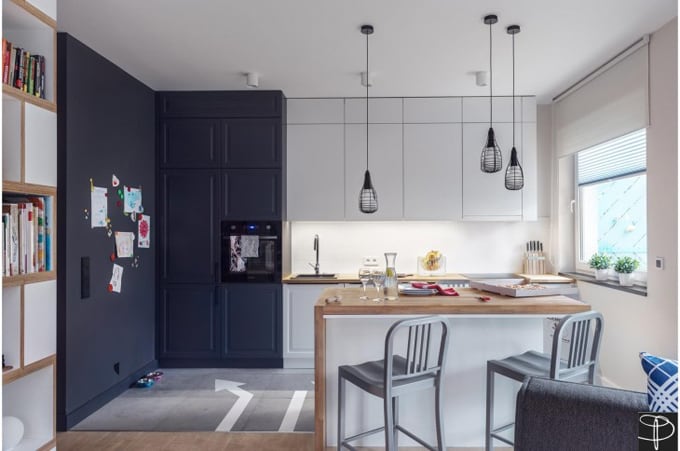
In recent years, the city has also attracted studios and interiors that reflect a contemporary Polish design language: restrained materials, functional planning, and a willingness to mix old fabric with new interventions. In articles about artists and photographers, Gdańsk often appears not as a tourist postcard but as a working setting, one that helps explain the textures, colors, and moods of the work being shown.
What is the Tricity, and why is Gdańsk part of it?
The Tricity, or Trójmiasto, is the conurbation formed by Gdańsk, Gdynia, and Sopot, plus surrounding suburbs. The three cities are close enough to function as one urban region, but each has a different character: Gdańsk is older and more administrative, Gdynia more modern and port-oriented, and Sopot known for leisure and resort life. Together they create a larger labor, transport, and cultural network than any one city could sustain alone.
For reference purposes, Gdańsk is best understood within that regional system. Its seaport, museums, universities, studios, and housing all operate within a metropolitan pattern that shapes where people live, work, and make things. This is part of why Gdańsk often appears in coverage of Polish art and photography: it is a city with local specificity and regional reach at the same time.
Frequently Asked Questions
Is Gdańsk the same as Danzig?
Yes. Danzig is the German name for Gdańsk, used widely in older historical sources and in periods when the city was under different political control. The dual naming reflects the city’s long history as a contested Baltic port with shifting sovereignty.
Why do so many artists and photographers work in Gdańsk?
The city offers a mix of historic architecture, industrial edges, and maritime atmosphere that is visually rich without feeling overproduced. It also has practical advantages: studio space, transport connections, and access to a larger regional art scene through the Tricity. Those conditions make it useful for both image-making and everyday production.
Was Gdańsk destroyed in World War II?
Large parts of the city were heavily damaged during the war, especially in the historic center. Much of what appears old today was reconstructed afterward, often with close attention to historical forms. That rebuilding is part of the city’s identity and explains why its streets can feel both medieval and modern at once.