
Harbin is the capital of Heilongjiang Province in northeast China, and one of the region’s major industrial, cultural, and administrative cities. It sits near the Russian border on the Songhua River, a location that has shaped its architecture, climate, trade, and public culture. For FreeYork, Harbin matters because it has a strong visual identity built from layered histories: railways and imperial expansion, Soviet and Chinese planning, and a contemporary public life that often turns to festivals, interiors, and civic monuments to express itself.
Stories from Harbin
2 stories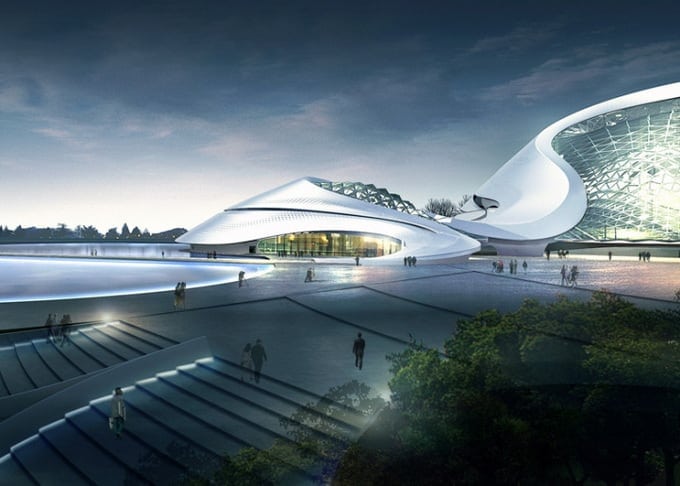

About Harbin
- Northeast Chinese capital with a cold continental climate that affects building form, streets, and seasonal public life
- Known for a built environment shaped by Russian, Soviet, and Chinese influences
- Associated with large-scale civic works, cultural venues, and winter festival architecture
- Important as a regional center for design, manufacturing, and education in Heilongjiang
- Often used in architecture and culture writing as a symbol of northern urban identity
Read the full overviewWhy does Harbin appear so often in architecture and design writing?, What does Harbin look like in practice?, How did Harbin develop into a major northern city?, Frequently Asked Questions
Why does Harbin appear so often in architecture and design writing?
Harbin appears frequently because it is a city where climate and history leave visible marks on the built environment. Long winters and heavy snowfall affect roofs, facades, circulation, and public gathering spaces. Cold-weather design is not an abstract concern there; it is part of daily life, from insulated envelopes and enclosed transit spaces to streets that need to work through ice, wind, and months of sub-zero temperatures.
The city also carries a dense architectural history. Harbin developed rapidly in the late nineteenth and early twentieth centuries around the Chinese Eastern Railway, and that expansion brought foreign concessions, commercial blocks, religious buildings, and civic structures with Russian and European stylistic influence. Later socialist planning added large avenues, institutional campuses, factories, and housing districts. The result is a city where multiple urban languages sit side by side rather than a single dominant style.
What does Harbin look like in practice?
Harbin’s visual character changes across districts, but some patterns recur. Older central streets often show stone or brick facades, arched windows, ornamented cornices, and proportions borrowed from European commercial architecture. Religious buildings and former consular or railway-era structures can carry Russian or Byzantine references. In newer districts, broad roads, high-rise housing, and civic complexes reflect late twentieth- and twenty-first-century Chinese urban growth.
The city is also known for large seasonal installations, especially the Harbin International Ice and Snow Sculpture Festival. During winter, ice blocks, colored lighting, and engineered temporary structures turn snow and water into architecture at a civic scale. This temporary city of ice matters because it shows how material, climate, and spectacle meet in Harbin more directly than in many other places.
How did Harbin develop into a major northern city?
Harbin grew from a transport and administrative node into a major metropolis through railway construction, industrialization, and regional centralization. Its modern urban form was strongly influenced by the Chinese Eastern Railway, which brought workers, engineers, merchants, and institutions into a strategic northern corridor. That growth gave Harbin a cosmopolitan character early on, with multilingual commerce and a built environment that reflected international exchange.
After 1949, the city became a major center for heavy industry, engineering, and education in the northeast. Universities, research institutes, and state enterprises expanded its role beyond trade and transit. Like many industrial Chinese cities, Harbin later faced the pressures of economic restructuring, but it retained importance as a regional hub for governance, culture, and winter-oriented tourism.
Frequently Asked Questions
Is Harbin mainly known for the Ice and Snow Festival?
The festival is the most internationally recognizable part of Harbin’s image, but it is only one layer of the city’s identity. Harbin is also a major provincial capital, an industrial base, and a place with a distinctive architectural history. The festival works because the city already has a strong relationship with winter, public spectacle, and material construction.
Why does Harbin have Russian-looking buildings?
Harbin’s Russian-looking architecture comes from the city’s development around the Chinese Eastern Railway and the presence of Russian engineers, merchants, and institutions in the early twentieth century. That period brought Orthodox churches, commercial blocks, and residential buildings built with Russian and broader European references. Those structures remain part of the city’s visual memory and tourism image.
What makes Harbin important to designers and artists?
Harbin offers a clear example of how climate can shape aesthetics, not just engineering. Designers and artists often look to it for its mix of historic facades, socialist urbanism, and temporary winter architecture. The city shows how built form can respond to cold, migration, industry, and civic display at the same time.