
Harper’s Bazaar is a long-running American fashion magazine published by Hearst, first issued in 1867. It combines fashion, beauty, culture, and celebrity coverage with a polished editorial style, and it has been especially influential as a place where photography, art direction, and luxury branding meet.
Stories from Harper’s Bazaar
42 stories

About Harper’s Bazaar
- Founded: 1867
- Publisher: Hearst
- Country of origin: United States
- Format: Monthly fashion and culture magazine
- Focus: Women’s fashion, beauty, and lifestyle
Read the full overviewWhat Harper’s Bazaar is for, How did Harper’s Bazaar become influential?, What does Harper’s Bazaar look like in practice?, Why does Harper’s Bazaar still matter?
What Harper’s Bazaar is for
Harper’s Bazaar exists to present fashion as a visual and cultural subject, not just a retail category. Its pages mix runway coverage, seasonal trends, portraiture, accessories, beauty, interiors, and interviews, all framed through a high-end editorial lens. The magazine has long described its audience as readers who buy luxury goods early and often, which places it firmly in the world of aspiration, taste-making, and commercial fashion journalism.
That positioning matters because Harper’s Bazaar does more than report on clothes. It helps define what luxury looks like in a given moment by selecting models, photographers, stylists, and designers who shape the image of fashion itself. Its influence comes from curation: the magazine turns garments and products into a visual language of status, modernity, and style.
How did Harper’s Bazaar become influential?
The magazine began in the 19th century and grew alongside the rise of consumer culture, department stores, and mass fashion media. Over time it became one of the central publications in American fashion, especially as photography took on a larger role in editorial storytelling. Like other major fashion magazines, it helped move the field from illustration-heavy pages toward image-led layouts built around sophisticated lighting, set design, and model posing.
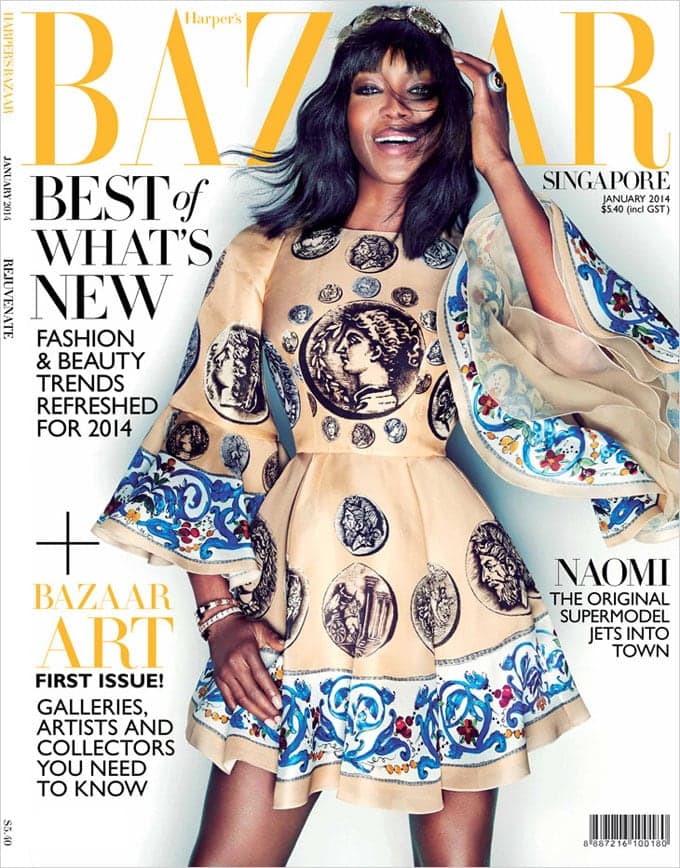
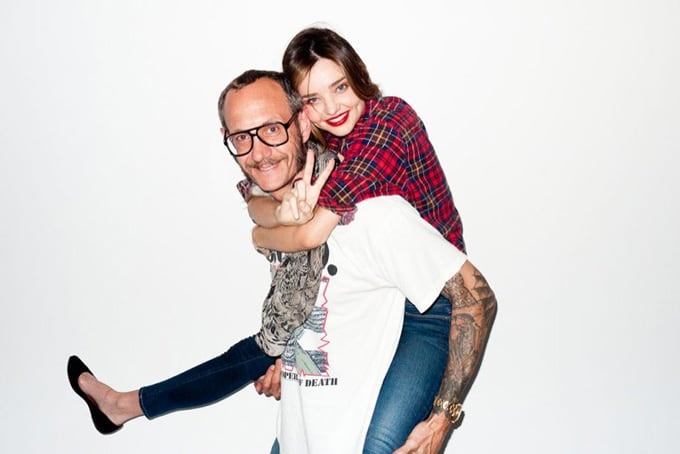
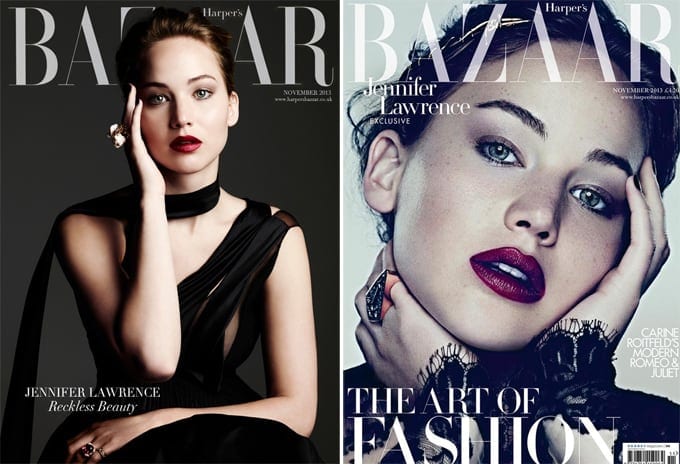
Harper’s Bazaar is important because it has repeatedly worked with major photographers, art directors, writers, and designers, making the magazine itself a kind of collaborative studio. In practice, that means elaborate covers, stylized celebrity portraits, and fashion stories that use location, props, editing, and composition to create a mood as much as a sales pitch. Many photographers and image-makers have used Bazaar assignments to refine a signature look or reach a wider audience.
What does Harper’s Bazaar look like in practice?
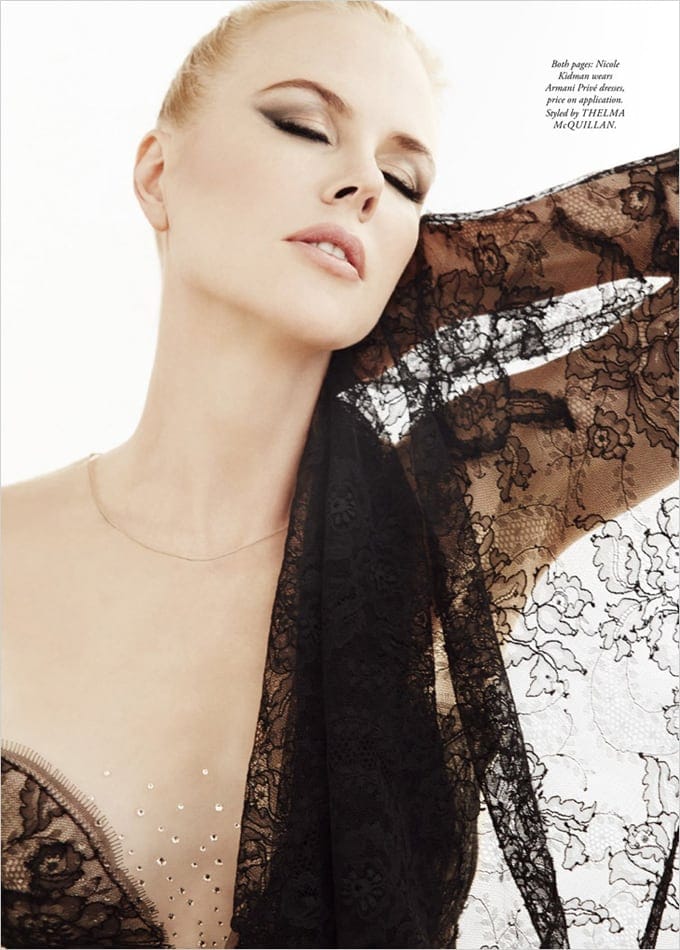
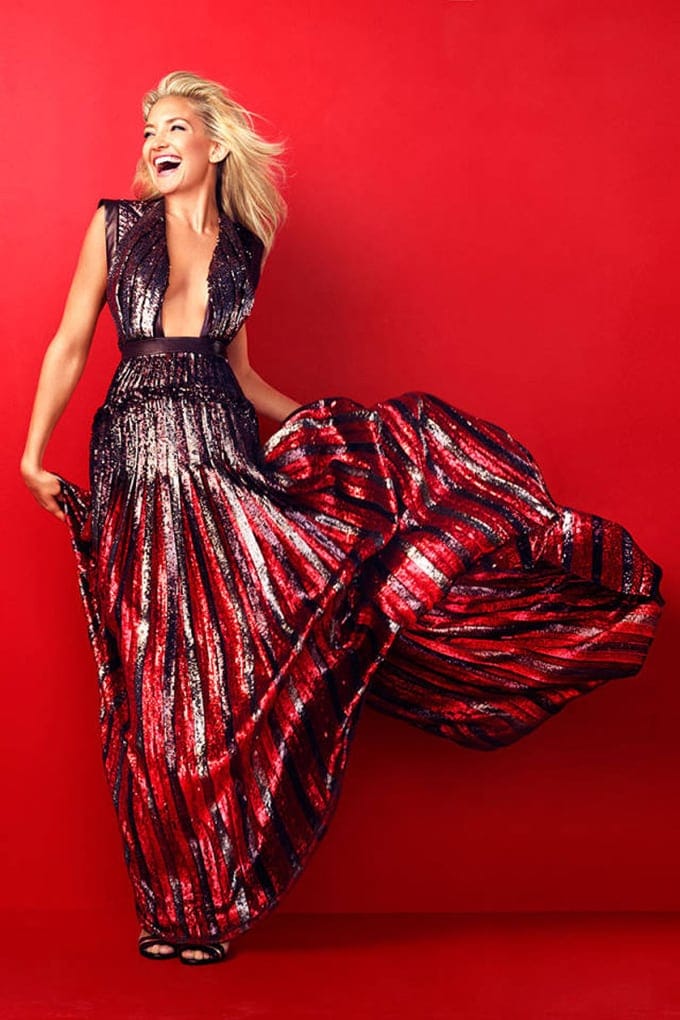
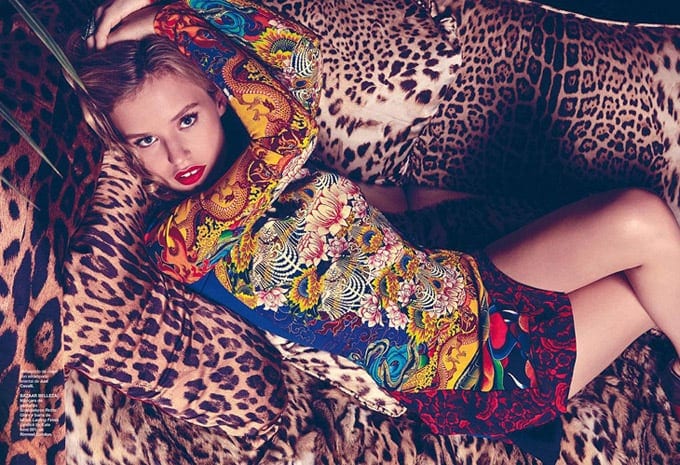
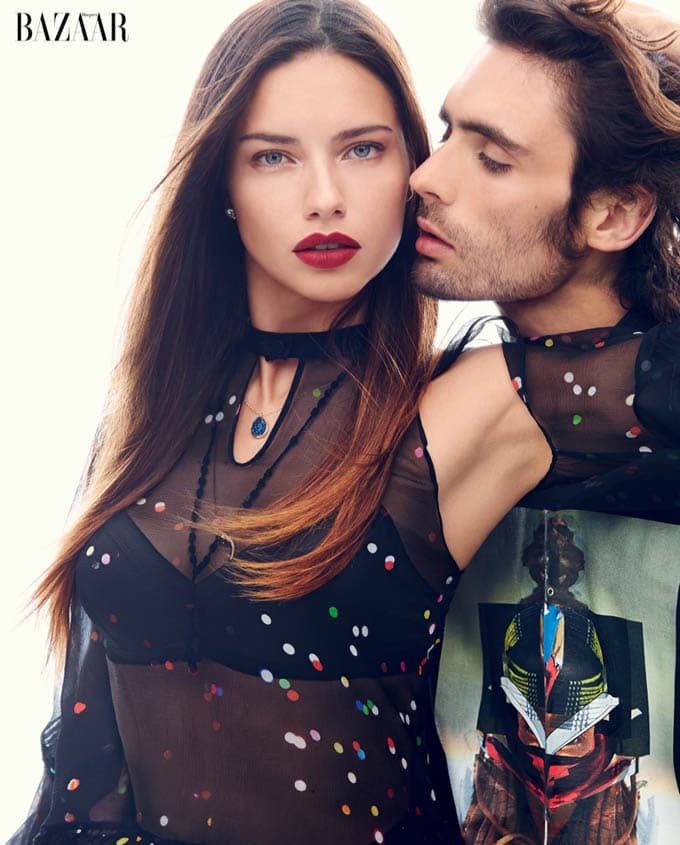
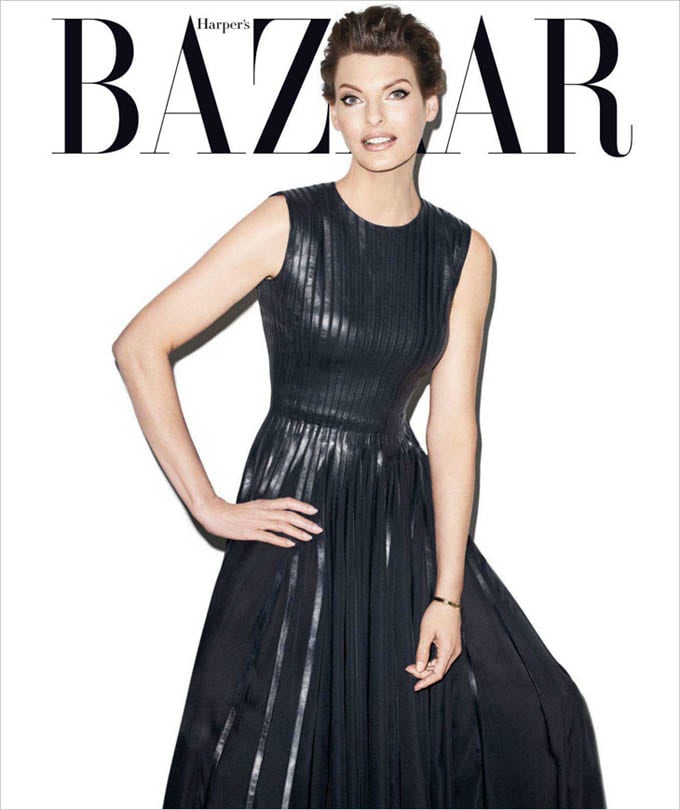
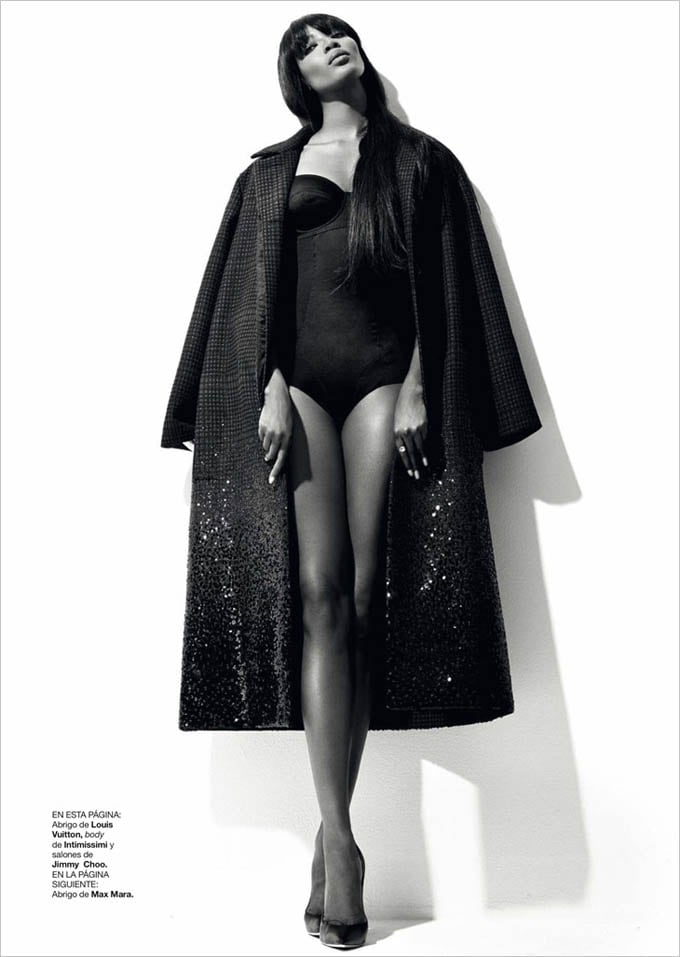
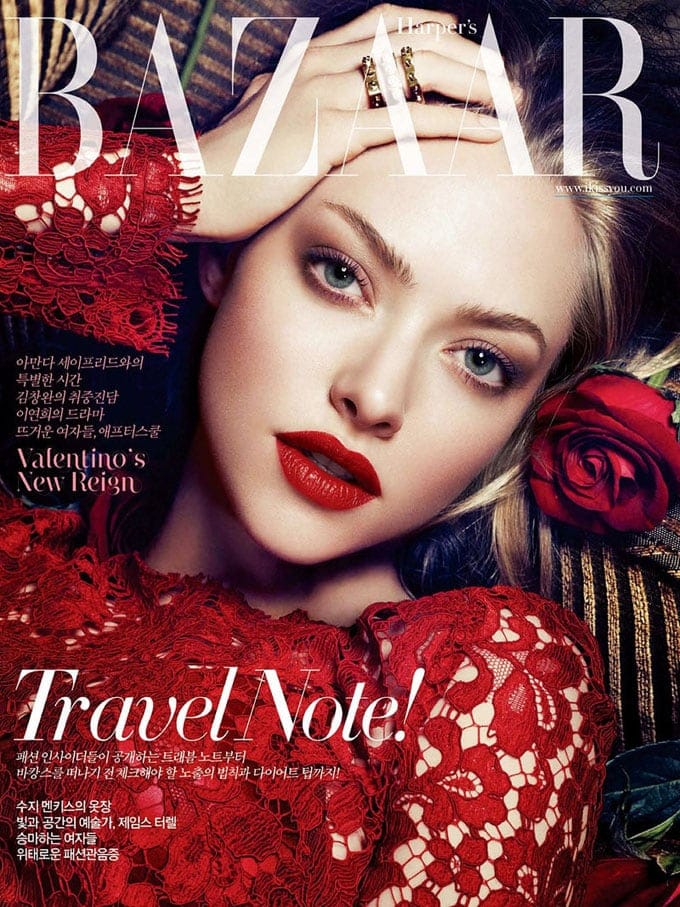
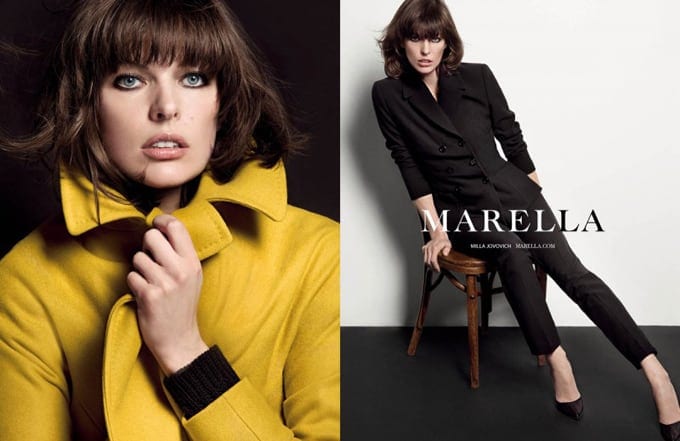
A typical Harper’s Bazaar spread uses glossy, controlled photography and sharp visual hierarchy. Garments are often shown in motion, but the images remain highly composed: clean backgrounds, dramatic makeup, strong contrast, and carefully chosen accessories. The magazine often pairs these images with elegant typography and restrained page design, giving the impression of clarity, confidence, and polish.
In its best-known mode, Bazaar treats fashion as a narrative. A cover or feature may place a model or celebrity in a cinematic setting, with styling that suggests wealth, travel, authority, or glamour. This is why the magazine is frequently cited in relation to fashion photographers and celebrity portraiture: it is a setting where a photograph can function both as editorial content and as a cultural reference point.
Why does Harper’s Bazaar still matter?
Harper’s Bazaar remains relevant because fashion magazines still shape the visual codes of luxury, even in a digital media environment. The publication continues to influence how brands, stylists, and photographers present clothing and beauty. Its archive also matters historically, because it traces changes in taste, class aspiration, and the look of commercial fashion photography across more than a century.
The magazine’s legacy is visible in the way it balances commerce and cultural authority. It sells dreams, but it does so through commissioning strong images and writing that aim to feel intelligent, selective, and current. For readers and image-makers, Harper’s Bazaar is a reference point for the polished, editorial version of fashion.
Frequently Asked Questions
Is Harper’s Bazaar a fashion magazine or a lifestyle magazine?
It is primarily a fashion magazine, but it also covers beauty, culture, celebrity, and lifestyle. That broader scope supports the magazine’s central goal: to present a complete picture of modern luxury and taste. Fashion remains the anchor of its editorial identity.
Who publishes Harper’s Bazaar?
Harper’s Bazaar is published by Hearst. Hearst has kept the title within a large media and publishing network that supports its print and digital presence. That backing has helped the magazine maintain its place in the luxury fashion media market.
Why do photographers and designers care about Harper’s Bazaar?
Because the magazine gives them visibility in a highly influential setting. A Bazaar fashion story or cover can help define a photographer’s style, a designer’s season, or a model’s public image. The publication has long served as a prestige platform where visual ideas in fashion are made public.
}{