
A head shot is a portrait photograph framed tightly around a person’s face and upper shoulders, made to present identity, expression, and professional presence with little or no surrounding context. It is a specific kind of portrait, usually used for acting, business, editorial, and personal branding. The image may be plain or polished, but its job is to make the face readable and recognisable at a glance.
Stories from Head shot
11 stories


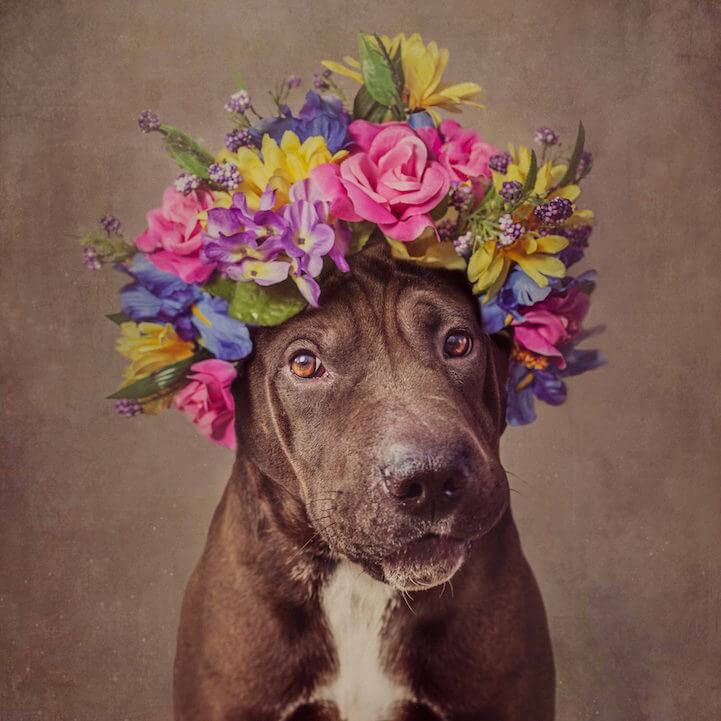
About Head shot
- Head shots crop close to the face, often from the chest or shoulders up.
- They are used for casting, corporate profiles, press kits, websites, and social media.
- Light, posture, expression, and retouching shape how formal or approachable a head shot feels.
- Unlike an environmental portrait, a head shot usually suppresses background detail and narrative clues.
- In practice, it is a production format as much as a style: lighting, lens choice, makeup, and wardrobe all matter.
Read the full overviewWhat makes a head shot different from other portraits?, Where did head shots come from?, How are head shots made?, Why does the head shot matter so much?
What makes a head shot different from other portraits?
The key difference is intent. A portrait can describe a person’s setting, occupation, mood, or social world; a head shot strips most of that away and concentrates on recognition and presence. The face does the work. The background is usually neutral, the pose is direct, and the framing stays tight enough that the eyes, mouth, skin, hair, and expression carry the image.
This narrow framing changes the craft. A photographer has less room for visual storytelling through props or location, so small decisions become central: the angle of the shoulders, the tilt of the chin, the catchlight in the eyes, the distance between subject and camera. A strong head shot does not merely show what someone looks like. It suggests how that person wants to be read in a professional or public context.
Where did head shots come from?
Head shots developed from the broader history of portraiture, especially studio portrait photography in the 19th and early 20th centuries, when photographers learned to isolate the face as the most legible part of a sitter’s identity. As film, theatre, publishing, and later television and digital media expanded, the cropped portrait became a practical format for identification and promotion. Actors needed casting photos. Professionals needed profile images. Newspapers, agencies, and directories needed a standardised likeness.
The modern head shot is closely tied to those uses. It became more codified as a commercial genre because employers and clients wanted consistency: a face that could be scanned quickly, reproduced small, and used across multiple platforms. That is why head shots are often lit frontally, kept on a simple background, and edited to remove distractions. The format is built for circulation.
How are head shots made?
Making a head shot is a controlled studio process, even when it is photographed on location. Lighting usually aims to model the face cleanly without harsh shadows, which is why photographers often use softboxes, umbrellas, reflectors, or diffused natural light. Lens choice matters too. A moderate focal length helps avoid distortion and keeps features looking natural. The camera is commonly placed near eye level so the resulting image feels direct rather than exaggerated.
Styling is part of the image, not an afterthought. Wardrobe should not overwhelm the face, and makeup is often used to even skin tone and reduce shine rather than to create dramatic effect. Retouching typically stays restrained: dusting away blemishes, softening under-eye shadows, and balancing tone while preserving texture. In commercial settings, the goal is rarely glamour for its own sake. The goal is a clean, credible likeness that can function across websites, agencies, and printed materials.
Why does the head shot matter so much?
The head shot is one of the most common images in professional life because it sits at the point where identity and presentation meet. It can make a lawyer seem calm, an actor seem available for casting, a founder seem trustworthy, or a scholar seem authoritative. These are small pictures with outsized consequences because they often serve as the first visual contact between a person and an audience.
That influence also makes the format sensitive. A head shot can flatten a person into a brand asset, but it can also offer clarity and dignity when handled well. The best examples balance likeness with intention: they show a real face, but they also use light, framing, and expression to communicate how that person wishes to appear in public.
Frequently Asked Questions
Is a head shot the same as a portrait?
No. A head shot is a type of portrait, but not every portrait is a head shot. Portraits can include the full body, a wider environment, or more elaborate storytelling. A head shot keeps the frame tight and the message focused on the face and expression.
What should a good head shot look like?
A good head shot should be clear, sharp, and natural-looking, with lighting that flatters without hiding facial structure. The expression should feel believable and suitable for the intended use, whether that is casting, corporate work, or public branding. Background and wardrobe should support the face rather than compete with it.
Why do head shots often look so plain?
They are designed for recognition and reuse, not for scene-setting. Plain backgrounds and simple lighting make the face easier to read and easier to place across different contexts. In many cases, restraint is part of the message: it signals professionalism, consistency, and ease of identification.