
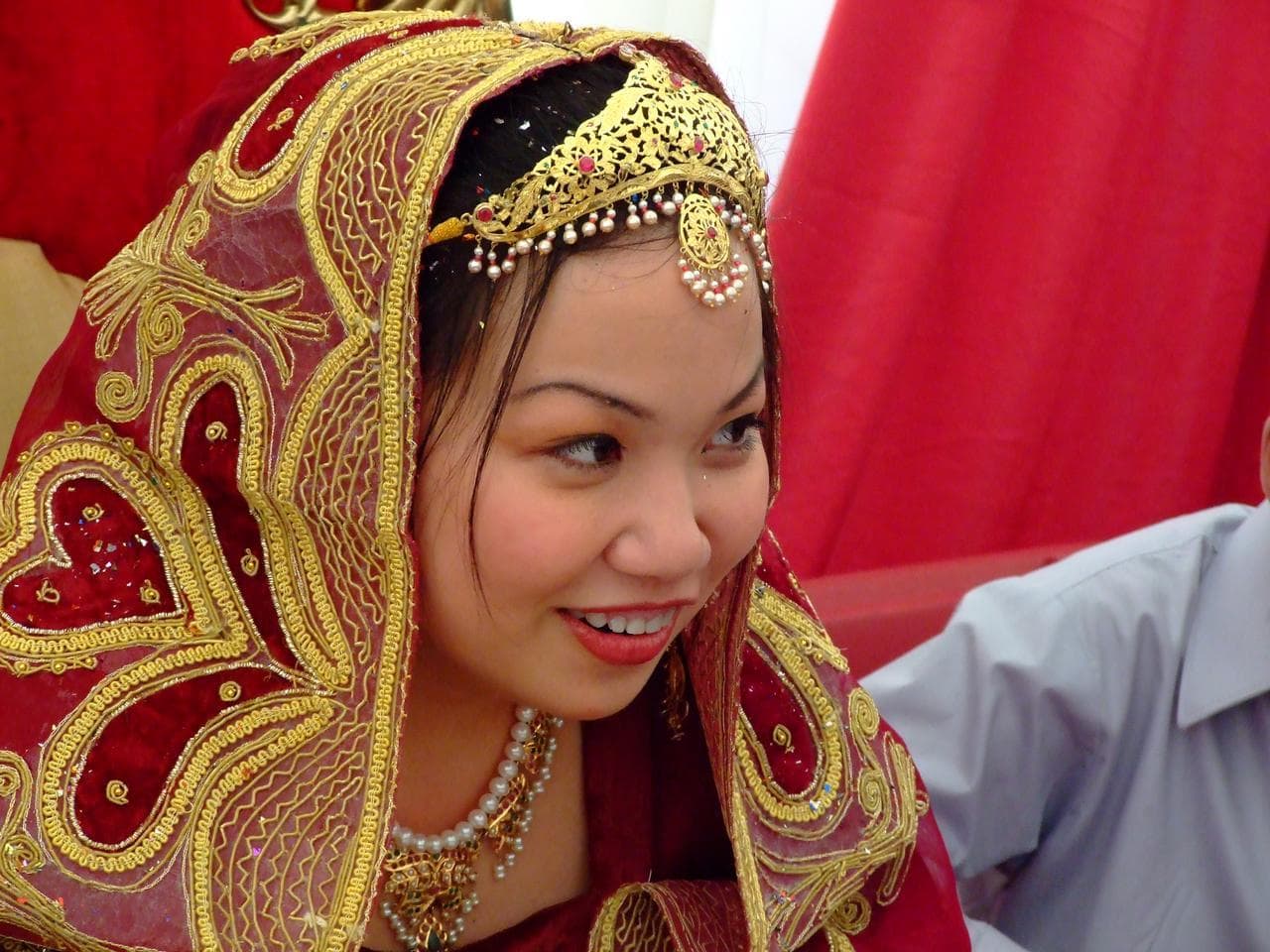
A headpiece is any garment or ornament worn on the head, from a crown or tiara to a theatrical headdress or a small decorative fascinator. It can signal rank, ritual, identity, or style, and in fashion and performance it often acts as the visual anchor of an outfit. Headpieces are made in many forms, but they usually combine structure, decoration, and close fit to the head.
- Headpieces can be ceremonial, fashionable, or theatrical.
- They range from rigid metal crowns to soft textile caps and mesh adornments.
- Many headpieces carry symbolic meaning linked to power, marriage, religion, or performance.
- Materials often include metal, wire, beads, fabric, feathers, ribbon, and woven fibers.
- In costume and fashion design, a headpiece can change the silhouette of the whole body.
What counts as a headpiece?
The term covers a broad group of objects worn on the head for decoration, protection, or role-playing. A crown, a tiara, a beaded mesh covering, a fascinator, a stage headdress, and a decorative cap can all fall under the label depending on context. The shared feature is placement: the object sits on the head rather than surrounding it like a collar, necklace, or shoulder piece.
This breadth makes the word useful in museums, fashion, and theatre, where a single item may need to be described by form and function rather than by one strict category. A metal circlet can be a crown in one setting and a costume headpiece in another. The category stays flexible because the object’s meaning often depends on who wears it and where.
Where did headpieces come from?
Head adornment is one of the oldest forms of dress. Ancient rulers, priests, performers, and brides used headpieces to mark status or belonging, and many early examples used precious metal, cloth, feathers, shells, or woven plant fibers. In royal and religious settings, the headpiece often served as a sign of authority or sacred office.
Over time, the same basic idea moved into court dress, stage costume, millinery, and fashion design. The fascinator, for example, developed as a light decorative head covering rather than a heavy hat, often built from netting, feathers, beads, or formed textile elements. Modern designers keep expanding the category with experimental materials and construction methods.
How are headpieces made?
Headpieces are usually built around a structure that holds them in place: a band, comb, wire frame, base cap, or hidden support. Makers then add surface elements such as fabric pleats, stitched beads, embroidered motifs, feathers, metalwork, or molded forms. Fit matters as much as appearance, because the object must sit securely without discomfort or imbalance.
In contemporary practice, construction can be highly technical. Milliners and costume makers may block felt, shape sinamay, braid wire, layer netting, or steam-form textile into three-dimensional volumes. Some designers treat the headpiece as a small sculptural object, especially when they work with recycled props, rigid fabrics, or heat-activated materials that change shape during making.
Why do headpieces matter in fashion and performance?
Headpieces change the way a body reads from a distance. They draw attention upward, alter proportion, and create a clear visual signal that can shift a look from ordinary to ceremonial, playful, or fantastical. In photography and performance, they help define character quickly and can sharpen the line between costume and street wear.
They also carry cultural weight. A headpiece may suggest monarchy, mourning, ritual, bridal dress, subculture, or avant-garde fashion, sometimes all at once. Because the head is so closely tied to identity and authority, even a small ornament can change the meaning of an outfit more dramatically than a larger garment elsewhere on the body.
Frequently Asked Questions
Is a headpiece the same as a hat?
Not exactly. A hat is usually a distinct category with its own functional and fashion traditions, while headpiece is a wider term that includes hats, crowns, ornaments, and costume forms. In practice, curators and designers often use headpiece when the object does not fit neatly into one standard type.
What materials are common in headpieces?
Common materials include metal, wire, fabric, netting, beads, feathers, ribbon, and molded plastics or resin. More experimental pieces may use recycled objects, steam-shaped textiles, or layered textile structures that create volume without heavy weight. The material choice usually follows the desired effect: light and delicate, rigid and ceremonial, or sculptural and theatrical.
Why are headpieces important in costume design?
They complete a character’s silhouette and often tell the audience who the character is before any dialogue begins. A headpiece can imply wealth, power, fantasy, mourning, or performance style with very little visual information. That is why costume makers often treat it as a central element rather than an accessory added at the end.
Articles mentioning Headpiece

