
Hugo Boss is a German fashion company known for tailoring, formalwear, fragrances and mass-market luxury clothing. Founded in Metzingen in 1924 as a workwear factory, it later became one of the most recognisable names in menswear and corporate dressing, with its name now split across several labels including BOSS and HUGO.
Stories from Hugo Boss
5 stories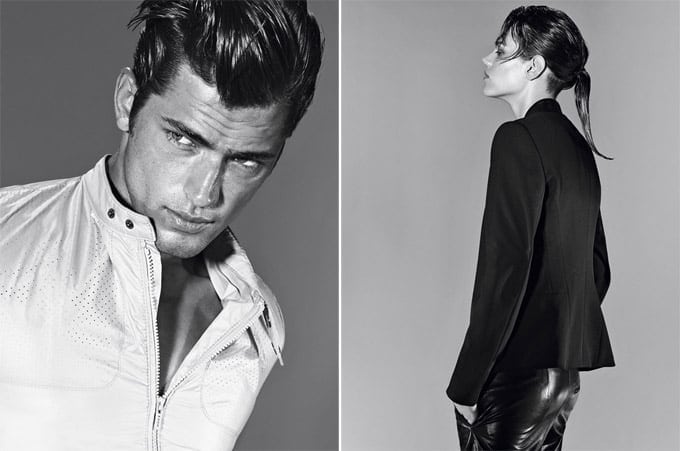

About Hugo Boss
- Founded in Metzingen, Germany, in 1924 by Hugo Ferdinand Boss.
- Started as a maker of work clothes and uniforms, not as a fashion house.
- Built its reputation on clean tailoring, suits and polished commercial branding.
- Today it operates as a global clothing and lifestyle company with multiple lines.
- Its visual identity often relies on controlled minimalism, sharp cuts and aspirational advertising.
Read the full overviewHow did Hugo Boss begin?, Why did it become so visible in fashion?, What does Hugo Boss make?, What does the brand look like in practice?
How did Hugo Boss begin?
Hugo Boss began as a small textile and garment business in the town of Metzingen, in southwestern Germany. Hugo Ferdinand Boss opened the company in 1924, initially making workwear, raincoats and uniforms. Like many German manufacturers of the period, it grew from industrial clothing rather than from runway fashion.
The company’s early history is complicated by its production of uniforms during the Nazi era, a fact that remains central to any serious account of the brand. After the war, the business was rebuilt and gradually shifted away from uniforms toward suits and ready-to-wear menswear. That transformation gave the company a cleaner public image, but the origins still matter to its history.
Why did it become so visible in fashion?
Hugo Boss became widely known in the late twentieth century by specialising in structured tailoring. Its suits were cut for boardrooms, ceremonies and other settings where clothing needed to signal authority. The brand made sober dressing feel modern and international, using smooth fabrics, narrow silhouettes and restrained colour palettes.
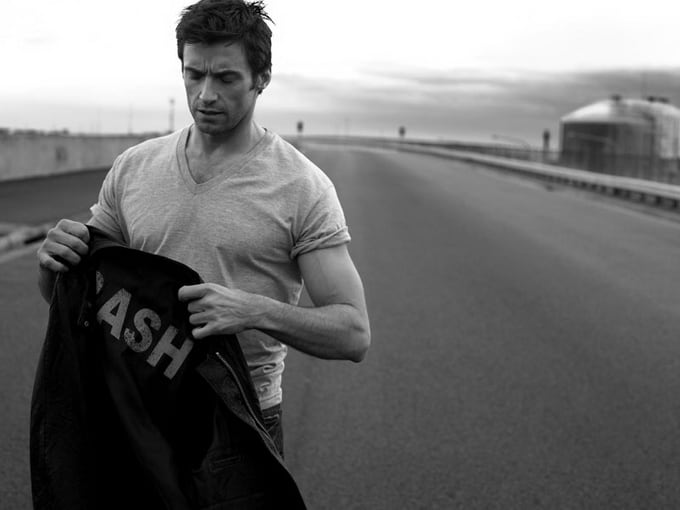
Advertising helped turn that product strategy into a global identity. Hugo Boss campaigns have often featured models, actors and athletes in minimal studio settings or controlled urban scenes, where the clothes do most of the work. The brand’s image depends less on eccentric styling than on polish, fit and aspiration.
What does Hugo Boss make?
Although the company is best known for menswear, it now sells a broad range of products. These include business suits, shirts, outerwear, casual clothing, shoes, watches, leather goods and fragrance. Its fragrance line, in particular, has helped keep the brand visible far beyond formal fashion.
The company’s main clothing labels usually divide the offer by tone and price. BOSS tends to carry the sharper, more formal side of the brand, while HUGO leans younger and more street-informed. In practice, the company uses these divisions to cover different kinds of dressing without abandoning its core interest in tailoring.
What does the brand look like in practice?
In visual terms, Hugo Boss usually presents clothes with straight lines, neutral colours and a high degree of finish. A suit jacket may be tightly nipped at the waist; a shirt may be cut to sit close and smooth; a campaign image may be stripped of clutter so the silhouette reads clearly. The effect is controlled rather than expressive.
That approach has made the brand useful for photographers and stylists who need clothing to communicate status quickly. In editorial and advertising work, Hugo Boss often stands in for corporate confidence, urban sophistication or polished masculinity. More recently, its women’s collections and broader casting have tried to widen that image without losing the brand’s formal base.
Frequently Asked Questions
Is Hugo Boss a luxury brand?
Hugo Boss is usually described as premium or accessible luxury rather than high luxury. It sits below fashion houses that rely on couture, rare materials or highly experimental design. Its strength lies in broad appeal, reliable tailoring and strong branding rather than exclusivity alone.
What is the difference between BOSS and HUGO?
BOSS is the more classic, formal and business-oriented line. HUGO is younger in tone, with slimmer or more fashion-forward styling and a more casual edge. The split lets the company address different age groups and dress codes under one corporate umbrella.
Why is Hugo Boss important in fashion history?
Hugo Boss matters because it helped normalise the modern suit as a global style product, not just a work uniform or custom garment. Its history also shows how industrial clothing, branding and lifestyle marketing can turn a regional factory into an international fashion business. The company’s past, including its wartime role, makes it a subject of historical as well as commercial significance.