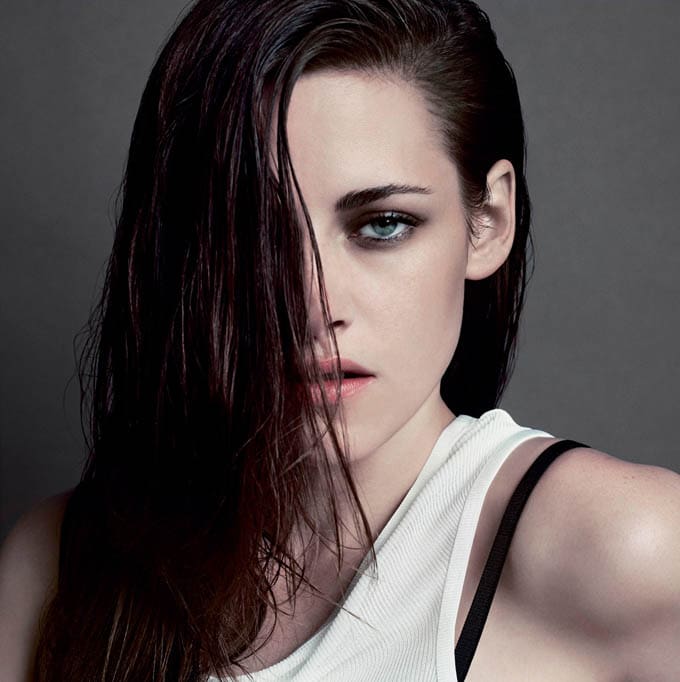
| What they are | Dutch fashion photographers and art collaborators who work as a duo under the names Inez van Lamsweerde and Vinoodh Matadin. |
|---|---|
| Where they came from | Amsterdam, where they met at the Gerrit Rietveld Academie and began working together in the late 1980s. |
| Known for | Fashion editorials, advertising campaigns, portraiture, and gallery work that pushes fashion imagery toward stylisation, performance, and digital manipulation. |
| Materials and methods | Photography, post-production retouching, compositing, staged sets, artificial lighting, and highly controlled styling. |
| Why they matter | They helped define the look of late-1990s and 2000s fashion image-making, making the glossy, uncanny, hyper-edited photograph feel central rather than marginal. |
How did they become such an influential fashion duo?
Inez van Lamsweerde and Vinoodh Matadin built their practice around a simple but durable split: fashion photography on assignment, and independent image-making that treated the same tools as art. Their collaboration began in Amsterdam in the late 1980s, and from the start they made pictures that felt more edited than observed. Skin, hair, fabric, and background were all subject to intervention. The result was a style that did not try to hide construction. It used construction as part of the image’s charge.
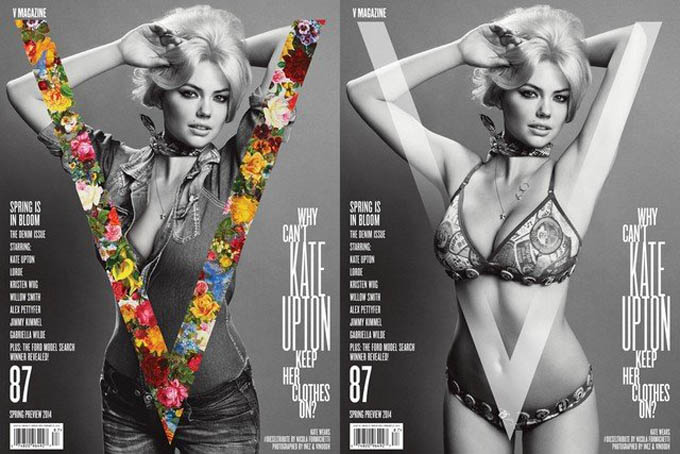
That approach suited the changing culture of fashion magazines in the 1990s and 2000s, when photography was becoming more overtly cinematic and digitally altered. Their pictures often feature posed figures, sharp styling, and surfaces that look too polished to be accidental. Even when the subject is a celebrity, the image rarely reads as a straightforward likeness. It reads as an arranged scene.
What does their work look like in practice?
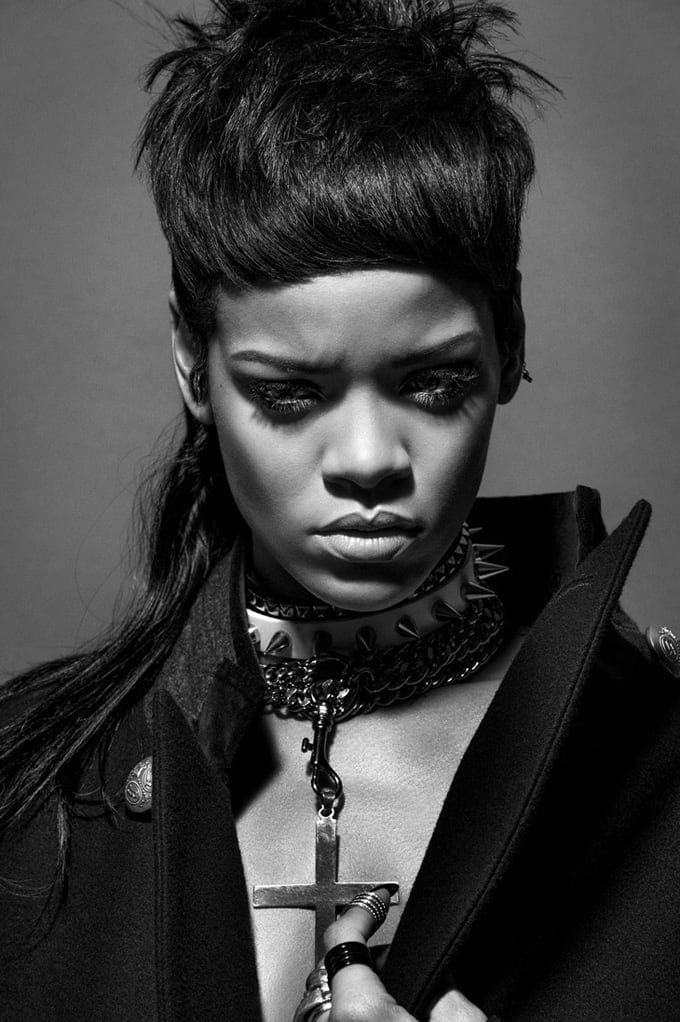
Their fashion images often combine glamour with unease. A model may appear elongated, masked, bleached, cut out, or placed in an environment that feels synthetic rather than natural. They use retouching not simply to remove blemishes, but to reshape the body, flatten space, and intensify color or sheen. That can make a photograph feel simultaneously seductive and artificial.
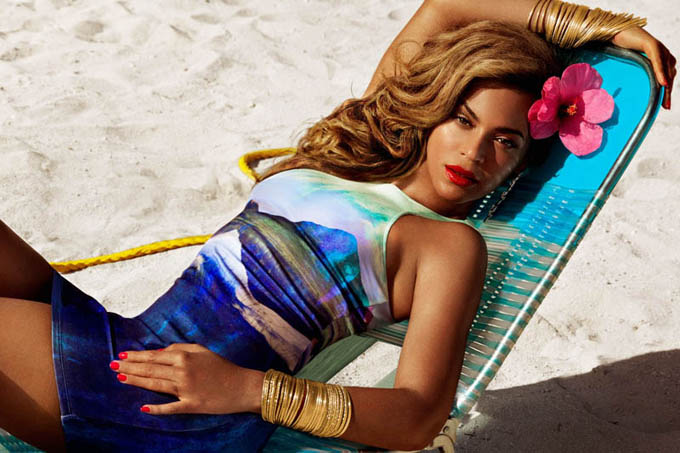
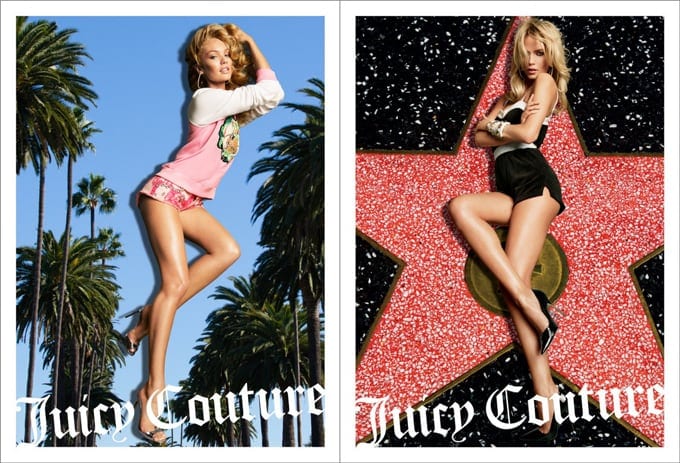
They have used this approach across magazine editorials, advertising campaigns, and portraits of actors, musicians, and models. In the magazine context, the result is often a strong silhouette, a controlled palette, and a composition that balances beauty with estrangement. In commercial work, especially for beauty and fashion brands, the same precision can make clothes, cosmetics, and bodies seem almost sculptural.
Why does their work matter to fashion and visual culture?
Van Lamsweerde and Matadin helped normalize a post-photographic fashion aesthetic at a moment when digital editing was changing the field. Their images showed that fashion photography could embrace manipulation without losing prestige. That mattered because magazines and campaigns increasingly wanted pictures that felt both aspirational and knowingly constructed.
Their influence is visible in the wider visual language of fashion publishing: the heightened pose, the unnatural but elegant color treatment, the thin boundary between portrait and performance. They also bridged editorial and art-world contexts more effectively than many peers. A spread in a fashion magazine and a gallery image could share the same visual logic, even if their audiences differed.
Are they only fashion photographers?
No. Although fashion work made them widely known, their practice extends into independent art photography and moving-image collaborations. That broader work often circles the same concerns: identity, surface, desire, and the instability of the photographed body. They have repeatedly treated the image as an object to be built, not just taken.
They are also known for photographing celebrities in ways that resist straightforward publicity portraiture. A sitter may still be recognisable, but the image tends to be stylised until it feels designed rather than spontaneous. That tension between public identity and constructed image sits at the centre of their output.
Frequently Asked Questions
Are Inez van Lamsweerde and Vinoodh Matadin a single artist or two people?
They are two people who work as a long-term creative duo. Their names are almost always presented together because the collaboration is central to the work. The finished images are best understood as shared authorship rather than separate contributions.
What makes their fashion photography recognisable?
The work often has a polished, slightly uncanny feel. Expect strong styling, deliberate poses, and digital intervention that is visible in the final image rather than hidden. Their photographs often look more designed than documentary, even when the subject is a real person.
Why are they important in magazine and campaign work?
They helped shape a modern fashion image that accepts manipulation as part of its meaning. That made them especially influential in editorial culture, where the photograph had to sell clothes, personality, and attitude at once. Their images showed that art photography and commercial fashion work could share the same visual ambition.
Articles mentioning Inez van Lamsweerde and Vinoodh Matadin