Jake Gyllenhaal is an American actor known for a career that moves between studio films, independent features, and stage work. He came to public attention as a child performer from a film family, then built a reputation for intense, physically committed roles in films such as October Sky, Donnie Darko, and The Good Girl. His work matters because he helped define the early-2000s model of the bankable character actor: recognizable enough for mainstream visibility, but often cast in psychologically complex parts.
- Born into a film family, with director Stephen Gyllenhaal and screenwriter Naomi Foner as parents.
- Started acting at age ten and moved quickly from child roles to lead parts as a teenager.
- Known for combining indie credibility with major commercial projects.
- Often plays anxious, morally unsettled, or physically demanding characters.
- Has also worked in theater and on projects that rely on close-up emotional expression.
How did Jake Gyllenhaal become known?
Gyllenhaal began acting young, which gave him early experience in front of the camera and a public profile before most actors reach adulthood. His first leading role came in October Sky (1999), a coming-of-age drama that framed him as a sincere, grounded screen presence. Two years later, Donnie Darko turned him into a cult figure by casting him as a disturbed suburban teenager in a film that mixed science fiction, dread, and black humor.
That early run mattered because it established a pattern that continued through his career: he could carry a film that depended less on glamour than on tension, fragility, and intensity. The Good Girl reinforced that image by placing him in a smaller, sharply observed indie film opposite Jennifer Aniston. From there, Gyllenhaal moved between prestige dramas, thrillers, and larger productions without losing the aura that came from those early performances.
What kind of actor is he?
Gyllenhaal is often cast as a character whose emotions are held under pressure. He works well in roles that require quick shifts between charm, unease, and volatility, and he uses stillness as much as outward force. His performances can feel tightly controlled, which makes it easier for directors to build suspense around him.
That style shows up in the kinds of films associated with him: psychologically driven dramas, noir-leaning thrillers, and stories shaped by obsession or isolation. He has also taken on physically exacting work, which gives his performances a visible discipline. In practical terms, that means training, choreography, and endurance often become part of the role, not just background preparation.
Why does his career matter in film culture?
Gyllenhaal represents a type of American stardom that became especially visible in the 2000s: an actor who can headline serious films, attract tabloid attention, and still remain identified with craft rather than pure celebrity. That balance has made him useful to directors working in genre, independent cinema, and awards-season drama alike. His name signals a certain level of ambition and seriousness, even when the material is commercial.
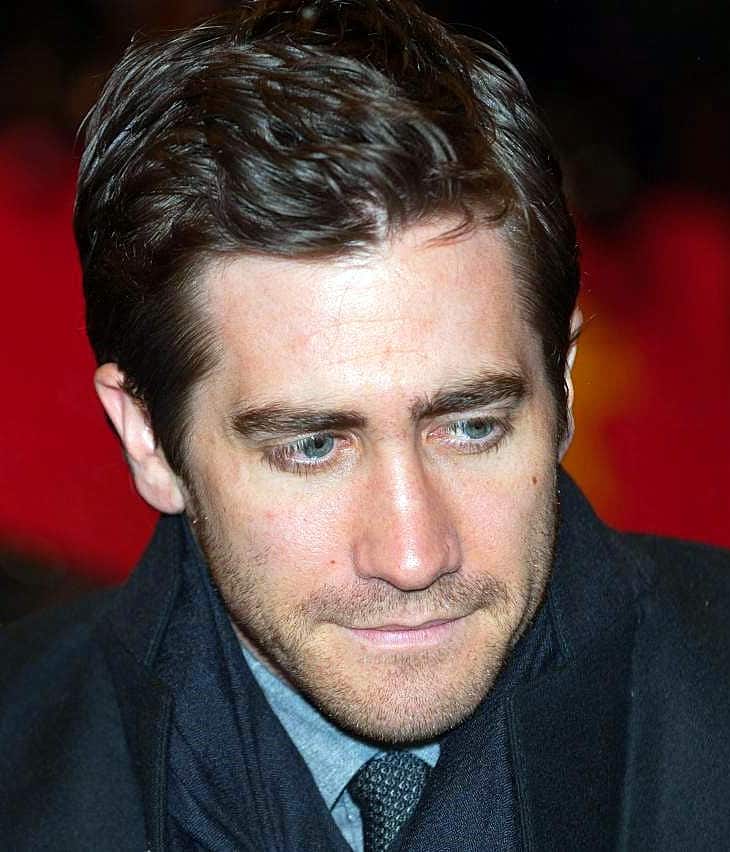
He also appears in the broader culture of film photography and publicity because he photographs well in candid or formal settings. His face and posture carry a lot of information, which makes him a strong subject for portraiture, festival coverage, and behind-the-scenes images. In that sense, his presence extends beyond individual films into the visual language used to promote and document them.
What does his work look like in practice?
On screen, Gyllenhaal often plays characters under strain: a young man searching for meaning, a worker trapped in routine, an investigator, a journalist, or someone testing the limits of control. The performances usually depend on fine-grained changes in expression rather than broad gestures. That makes close framing especially effective, since a small shift in the eyes or jaw can change the scene.
Off screen, his public image has been shaped by long stretches of preparation for roles, interviews that emphasize process, and appearances at premieres and festivals. The result is a career that reads as carefully managed but not over-smoothed. He remains associated with work that is polished enough for the mainstream and strange enough to stay interesting.
Frequently Asked Questions
Is Jake Gyllenhaal mainly an indie actor?
No. He became known through independent films, but his career has also included large studio productions and commercial thrillers. The distinction that fits him better is an actor who moves comfortably between indie credibility and mainstream visibility.
What made Donnie Darko important for him?
Donnie Darko gave Gyllenhaal a signature role early in his career. The film’s cult status helped define him as an actor capable of playing troubled, ambiguous characters without losing audience sympathy. That reputation shaped many of the roles that followed.
Does he work in other fields besides film acting?
Yes. Gyllenhaal has also acted on stage and taken part in public-facing film promotion, including festival appearances and media events. Those appearances matter because they help turn an actor’s image into part of the larger visual culture around cinema.
Articles mentioning Jake Gyllenhaal