
Java is an Indonesian island that holds the country’s political centre, its largest cities, and most of its population. It stretches across the Sunda arc between Sumatra and Bali, and it has shaped Indonesian history for centuries through courts, trade routes, colonial rule, and modern urban growth. Roughly 60 percent of Indonesia’s people live there, making it the world’s most populous island and one of the most densely inhabited places on Earth.
Stories from Java
3 stories
About Java
| Fact | Detail |
|---|---|
| Country | Indonesia |
| Type | Island |
| Population | About 135 million on Java proper; the nearby island of Madura is often counted with Java’s provincial grouping |
| Main city | Jakarta, Indonesia’s capital |
| Known for | Dense settlement, active volcanoes, rice agriculture, major urban industry, and historic court cultures |
Read the full overviewWhy Java matters, What does Java look like on the ground?, How did Java shape Indonesian culture?, What kinds of places on Java are most recognisable?
Why Java matters
Java matters because so much of Indonesia is concentrated there. Government, finance, education, publishing, television, and much of the manufacturing base are anchored on the island, especially around Jakarta, Bandung, Semarang, Surabaya, and Yogyakarta. Any account of modern Indonesia needs Java because decisions made there shape national policy, cultural taste, and the movement of goods, people, and images across the archipelago.
The island also matters historically. Javanese kingdoms, Islamic sultanates, and then Dutch colonial power all left deep marks on the island’s cities, palaces, ports, and landscapes. After independence, Java remained the centre of state power rather than losing influence to the outer islands, which is why its demography and infrastructure still dominate national life.
What does Java look like on the ground?
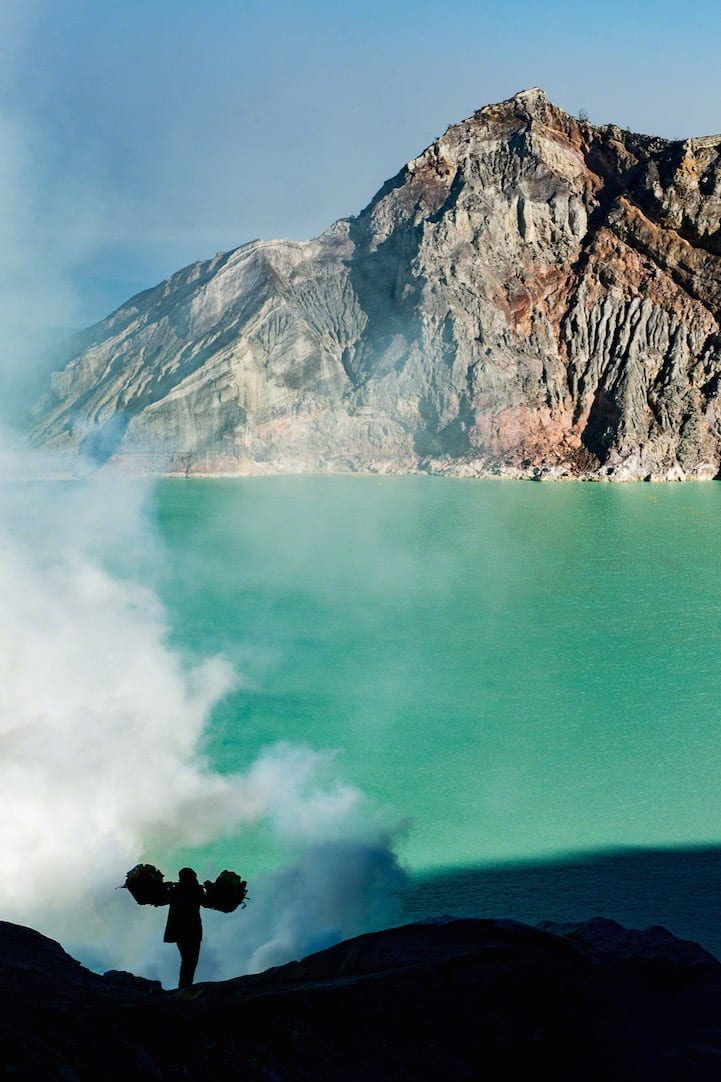
Java is not a single landscape. Its north coast carries ports, industry, and heavy agriculture; its interior includes volcanic highlands, irrigated rice fields, and old royal centres; its southern edge is rougher and more mountainous. The island sits on the Pacific “Ring of Fire,” so volcanoes are a defining physical feature. Some are catastrophic in memory, but many are simply part of daily life, contributing fertile ash to the soils that support dense farming.
In visual terms, Java often appears as a layered landscape of settlement and cultivation. Brick mosques, colonial civic buildings, train lines, crowded market streets, terraced rice paddies, and volcanic cones can all sit within a short distance of one another. That compression of urban, agricultural, and sacred space gives the island a distinctive texture that has long attracted writers, photographers, filmmakers, and artists.
How did Java shape Indonesian culture?
Java has been one of the main engines of Indonesian language, performance, and statecraft, even though it is not identical with all of Indonesia. Javanese court traditions helped define ideas of refinement, hierarchy, and ceremony. Wayang shadow theatre, gamelan music, batik, and palace architecture are all strongly associated with the island, although they now circulate far beyond it. These forms matter not just as heritage objects but as working techniques with materials, rehearsal systems, and specialist makers attached to them.
In everyday production, Java has also been a major site for textile making, ceramics, metalwork, furniture, publishing, and print culture. The island’s cities and workshops connect rural production to national and international markets. That makes Java important to design history not only for its monuments, but for the ordinary objects and infrastructures that keep a populous island running.
What kinds of places on Java are most recognisable?
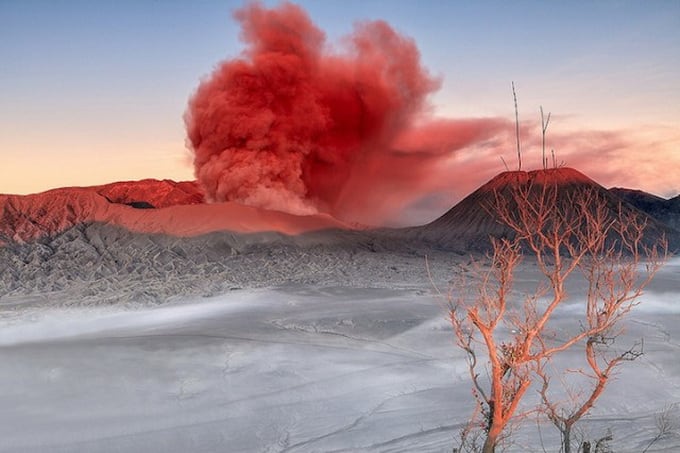
Some of Java’s most recognisable places combine volcanic terrain with intense human use. Mount Bromo in eastern Java, for example, is a volcanic landscape framed by a broad sand sea and ringed by viewpoints, temples, and tourist infrastructure. Elsewhere, the island’s old colonial cities preserve Dutch-era warehouses, stations, churches, and government buildings alongside mosques, markets, and post-independence towers.
Jakarta is the clearest example of Java’s scale and contradictions. It is a megacity built on a low-lying coast, shaped by flood control, transport grids, informal settlements, and relentless redevelopment. The contrast between palace, port, kampung, and high-rise appears in compressed form there, but similar contrasts run across the island wherever land pressure is high and land use changes quickly.
Frequently Asked Questions
Is Java the same as the Java people or the Javanese language?
No. Java is the island; Javanese refers to the main ethnic group associated with it and to the language they speak. The island is home to many communities besides the Javanese, including Sundanese, Madurese, Chinese Indonesians, and others, especially in large cities and coastal trading zones.
Why is Java so crowded?
Java has long drawn settlement because its volcanic soils support productive agriculture, especially rice farming. Colonial and postcolonial governments also concentrated administration, transport, industry, and education there, which kept pulling people toward the island’s cities. Over time, those advantages produced one of the densest human landscapes on the planet.
What should be associated with Java in design and visual culture?
Java is closely linked with batik, gamelan instruments, wayang figures, mosque and palace architecture, and the visual identity of Indonesian cities. It is also associated with the textures of dense urban life: street commerce, railway infrastructure, port districts, and layered vernacular housing. Volcanic landscapes, especially around places like Bromo, add another recurring image to how the island is represented.