
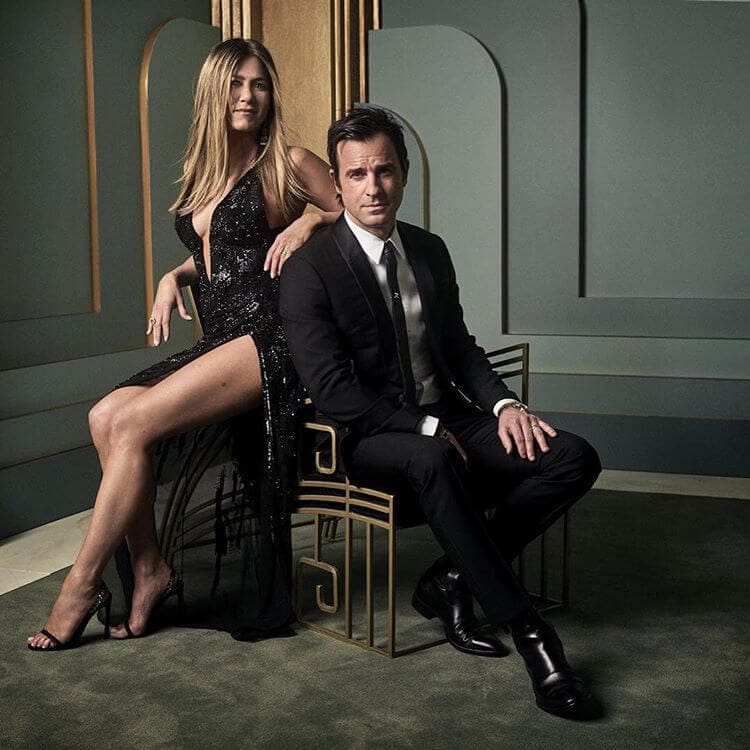
Jennifer Aniston is an American actor, producer, and occasional director best known for playing Rachel Green on Friends. Born in 1969, she became one of the most recognisable television performers of the 1990s and went on to build a long film career in Hollywood. Her public image has stayed closely tied to screen comedy, celebrity portraiture, and the polished, camera-ready style that magazines and red-carpet photography often seek.
| Born | February 11, 1969, in Sherman Oaks, Los Angeles, California |
|---|---|
| Occupation | Actor, producer, director |
| Known for | Friends; mainstream comedy films; celebrity photography and media coverage |
| Notable awards | Primetime Emmy Award, Golden Globe Award, Screen Actors Guild Award |
| Active from | 1980s to the present |
How did Jennifer Aniston become famous?
Aniston’s breakthrough came in 1994 with Friends, where she played Rachel Green across ten seasons. The role made her a fixed point in American popular culture: the haircut, the clothes, the timing, and the emotional rhythm of the character were copied, quoted, and discussed far beyond the show itself. Television gave her scale; the character gave her a recognisable shape that photographers and editors could use instantly.
Before Friends, she had appeared in smaller television roles and worked through the usual mix of auditions, guest spots, and minor parts. After the show, she moved into studio comedies and ensemble films, staying visible in the particular way movie stars are expected to stay visible: through repeated appearances, controlled publicity, and images that confirm continuity rather than surprise.
Why does she matter in celebrity portraiture?
Aniston matters because she is one of the most photographable public figures of the last three decades. Her face reads clearly in magazine layouts and event coverage, and her long career has given portrait photographers many versions of her to work with: sitcom actor, romantic-comedy lead, producer, and veteran celebrity at gala events. That range makes her useful to publications that trade in star imagery, especially at awards season and on the red carpet.
Celebrity portraiture depends on recognisability, but also on a stable persona that can survive repeated framing. Aniston’s public image has often been presented as poised, approachable, and carefully put together. In practice, that means strong emphasis on hair, skin tone, wardrobe finish, and expression. Editors and photographers use those features to create images that feel polished without looking stiff.
What does her public image look like in practice?
In photo shoots and event photography, Aniston is often styled in simple silhouettes, neutral colours, and clean lines. That look puts attention on face, hair, and posture rather than on costume. It also suits the lighting and composition used in glossy magazine portraiture, where a controlled background, shallow depth of field, and flattering key light can make a familiar subject feel newly legible.
At events such as the Vanity Fair Oscar Party, she appears in the ecosystem of contemporary celebrity imaging: stepped-and-repeated poses, flash photography, and image circulation that turns a single appearance into dozens of published frames. Her presence in that setting shows how star portraits are built not only by the sitter, but by the entire apparatus around them: stylists, publicists, editors, photographers, and the event itself.
What kind of career has she had beyond Friends?
After television made her famous, Aniston shifted into film roles that leaned on timing, understatement, and broad audience appeal. She has worked in romantic comedies, workplace comedies, dramas, and ensemble films, and she has also produced projects through her own company. That mix matters because it shows how a television star can become a durable media brand without losing the central visual identity that audiences already know.
Her career also reflects a larger pattern in modern celebrity culture: the performer becomes both an actor and a repeatable image. In Aniston’s case, that image has been sustained through a long run of press coverage, advertising, premieres, and carefully managed public appearances. For magazines and portrait photographers, that reliability is useful. It means the subject already carries a history that can be activated with little explanation.
Frequently Asked Questions
Is Jennifer Aniston mainly a television or film actor?
She is both, but television made her famous. Friends gave her the worldwide visibility that film then extended. Her later work in movies and streaming projects kept her in circulation as a screen actor with a broad audience.
Why is she so often used in celebrity photography?
She is instantly recognisable, which is valuable in magazine and event coverage. She also presents a consistent public image that translates well into polished portraiture. Photographers can work with her face, hair, and wardrobe as a familiar visual system.
What is she best known for in popular culture?
She is best known for playing Rachel Green on Friends. The role shaped her career and left a strong mark on fashion, television history, and celebrity culture. Many later references to her still begin with that character because the image remains so durable.
Articles mentioning Jennifer Aniston
