
The Joker is a fictional Batman villain and one of the longest-running antagonists in American comics. He first appeared in Batman #1 in 1940, created for DC Comics as a chaotic counterweight to Batman’s order, and has since become a major figure in comics, film, television, and graphic design. He is usually written as a clown-themed criminal with a fixed grin, a theatrical laugh, and a taste for elaborate schemes that turn violence into performance.
Stories from Joker (comics)
4 stories


About Joker (comics)
- First appeared in 1940 in DC Comics’ Batman titles.
- Defined less by a stable origin than by repeat reinvention.
- Mixes crime, comedy, horror, and spectacle in one figure.
- Usually appears with white face, green hair, red lips, and purple clothing.
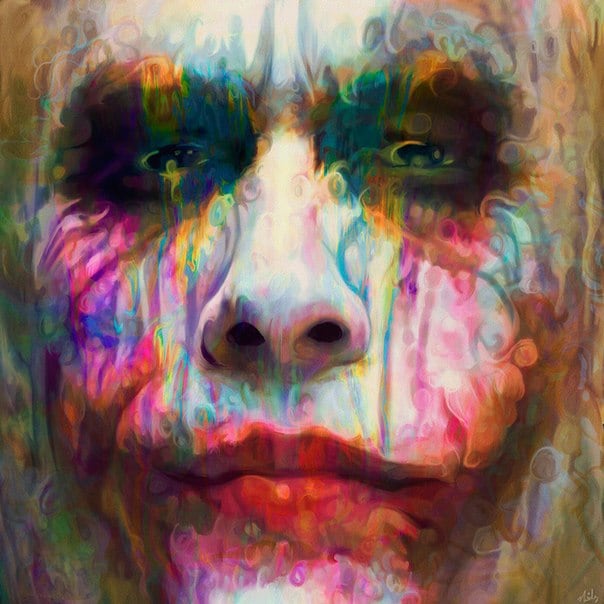
- Influential far beyond comics, especially in costume, illustration, and fashion imagery.
Read the full overviewWhere did the Joker come from?, Why does the Joker matter in comics?, What does the Joker look like in practice?, How has the character changed over time?
Where did the Joker come from?
The Joker emerged from the early Golden Age of superhero comics, when Batman’s world was still taking shape. His first stories gave him the role that has stayed with him ever since: a criminal who makes crime feel like a twisted joke. Unlike villains with a single fixed backstory, the Joker has been rewritten many times. Some versions make him a failed comedian, others a mob criminal, and some refuse explanation altogether.
That instability is part of the character’s design. The Joker works because he can absorb new fears from different eras without losing his basic shape. He can be written as a gangster, terrorist, prankster, serial killer, or anarchist, but the visual core remains the same: exaggerated smile, theatrical makeup, and an unstable relationship to identity itself.
Why does the Joker matter in comics?
The Joker matters because he pushed the Batman mythos toward darker, more psychological storytelling. Batman needs an opposite force, and the Joker provides one: Batman is control, discipline, and ritual, while the Joker is chaos, performance, and collapse. That tension has made him central to some of the most famous Batman stories ever published, from crime comics to gothic horror to modern graphic novels.
He also shows how a comic-book character can outlive any single origin or style. The Joker has been drawn by many artists across decades, and each version alters the balance between realism and caricature. Some editions make him sleek and elegant; others turn him gaunt, grotesque, or clownishly bright. That flexibility has made him a useful figure for artists interested in contrast, distortion, and the tension between attraction and menace.
What does the Joker look like in practice?
In visual terms, the Joker is built from strong graphic signals. White face paint or ghostly skin, green hair, red lips, sharp purple tailoring, and a grin stretched beyond natural proportion make him instantly legible. He often wears a suit rather than a costume in the superhero sense, which gives him a cold, stage-managed quality. The effect is not just “clown” but “criminal as entertainer.”
In practice, that look has proved easy to adapt across media. Comic artists exaggerate the grin and silhouette; costume designers use a narrow palette of purple, green, red, and white; illustrators often push the figure toward psychedelic, grotesque, or fashion-editorial extremes. The Joker can read as elegant or sickly, slick or decayed, depending on line, color, and proportion. That visual range explains why he appears so often in art projects that borrow comic-book icons to explore style, madness, or spectacle.
How has the character changed over time?
The Joker has changed with censorship rules, editorial trends, and audience taste. Early versions were often murderous but relatively straightforward. Later comics softened him at times, then made him far more violent as mainstream comics grew darker in the late twentieth century. Writers have repeatedly reworked whether he is a criminal with a history or a force that seems to have no stable self at all.
That shifting identity is one reason the character remains controversial and useful. He can be read as satire, horror, or pure comic-book excess. He also raises difficult questions about glamour and violence, because his most memorable appearances often make danger look stylish. For artists and designers, that is part of the challenge: how to depict a character whose image is unforgettable but whose psychology is meant to remain unstable.
Frequently Asked Questions
Is the Joker always Batman’s enemy?
Mostly, yes. The Joker is defined by his conflict with Batman more than by any independent role in the DC universe. In some stories he acts alone, and in others he is folded into larger crime plots, but his core function remains as Batman’s most recognizable adversary.
Why does the Joker have so many different origins?
Writers have used different origins to keep the character adaptable. A fixed backstory can limit a villain, while the Joker often works best when he feels slippery and hard to pin down. Different eras of comics have preferred different explanations, and some have deliberately avoided one altogether.
Why is the Joker such a common reference in art and fashion?
His design is simple, high-contrast, and instantly readable from a distance. The purple-green-red palette and exaggerated grin translate well into illustration, costume, and editorial imagery. He also carries built-in associations with theatricality, disorder, and performance, which makes him useful for images that want edge or menace.