
Kelly Maker is a contemporary visual artist known for mixed media collage, a practice that combines cut and torn paper, found printed matter, paint, and other surfaces into layered compositions. The name refers to an individual maker rather than a movement or studio, and the work associated with it is defined by assembling fragments into images that keep their seams visible.
Stories from Kelly Maker
1 story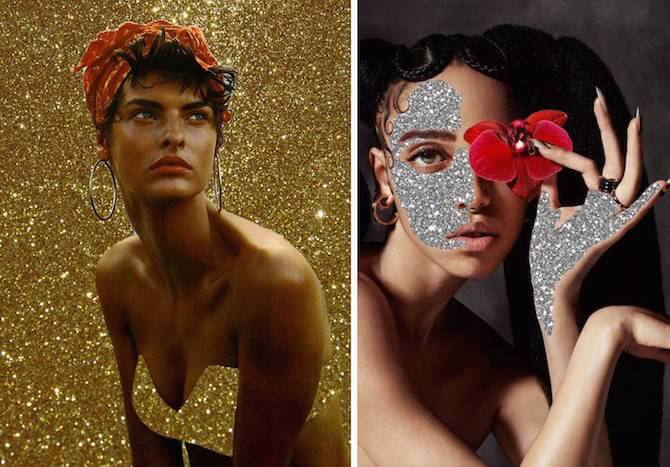
About Kelly Maker
| Field | Detail |
|---|---|
| Entity type | Person |
| Known for | Mixed media collage |
| Primary materials | Paper, printed ephemera, paint, adhesive, and other collage elements |
| Medium | Two-dimensional assembled composition |
| Notable context | Featured in the article “Kelly Maker’s Mixed Media Collages” |
Read the full overviewWhat Kelly Maker does, How mixed media collage is made, Why collage remains important, What to look for in the work
What Kelly Maker does
Kelly Maker works in collage, building images from separate parts rather than drawing or painting everything from scratch. Mixed media collage typically means more than one material or technique appears in the finished work: paper scraps may sit beside brushwork, ink, photocopy, fabric, or printed text. The final image depends on selection, placement, overlap, and surface tension as much as on any single mark.
That approach makes the hand of the maker visible. Edges, joins, and overlaps remain part of the composition, so the viewer sees both the image and the process that produced it. In practice, this can create work that feels built, edited, and physically accumulated rather than seamlessly rendered.
How mixed media collage is made
Collage begins with source material. A maker gathers papers, images, and textures, then cuts, tears, trims, or repositions them into a new arrangement. Adhesives fix the elements to a base such as paper, board, or canvas, after which additional layers may be added with paint, pencil, ink, or transfers. The work can be flat and graphic, or heavily layered and tactile.
Mixed media collage matters because it treats material fragments as meaning-bearing. A newspaper clipping, a printed photograph, a painted wash, and a strip of colored paper each carry different visual weights and histories. When combined, they can produce contrast, rhythm, and unexpected associations that would be difficult to achieve with a single medium.
Why collage remains important
Collage has a long history in modern art, but it remains current because it matches the speed and fragmentary quality of contemporary image culture. It can absorb mass media, personal archives, packaging, handwritten notes, and studio leftovers without hiding their origins. That makes it useful for artists who want to work with memory, recycling, disruption, or the collision of private and public imagery.
For a viewer, the appeal often lies in the balance between disorder and control. The work may appear improvisational, but it usually depends on careful composition, exact cutting, and a strong sense of surface. The result is an image that reads at once as assembled matter and as a resolved visual statement.
What to look for in the work
In mixed media collage, look first for the join points: where one shape interrupts another, where texture changes, or where a printed fragment sits against an opaque painted field. Those shifts usually carry the structure of the piece. Shadows from lifted edges, differences in paper weight, and visible glue traces can all become part of the composition rather than accidents to be hidden.
If a work by Kelly Maker is described as mixed media, it is likely to reward close looking. Small changes in paper grain, color temperature, or image scale can carry as much force as the subject matter itself. The making process is not separate from the image; it is the image.
Frequently Asked Questions
Is mixed media collage the same as collage?
Not exactly. Collage is the broader term for assembling different materials into one work, usually by attaching them to a surface. Mixed media collage specifically adds more than one medium, so paper fragments might be combined with paint, drawing, ink, or print processes.
What materials are commonly used in this kind of work?
Paper is the most common starting point, especially cut paper, magazine clippings, newspapers, and handmade sheets. Artists also use acrylic paint, gesso, markers, glue, tissue, fabric, photographs, and found ephemera. The specific combination depends on the surface and the visual effect the maker wants.
Why do artists leave seams and overlaps visible?
Visible seams show how the work was built and create a sense of interruption or layered time. They can also make the viewer aware that the image is constructed from real materials rather than projected as a single illusion. In collage, that physical honesty is often part of the point.