
Kylie Minogue is an Australian singer, songwriter, actress, and performer whose career has moved from television fame into one of pop music’s most durable catalogues. She became known in the late 1980s, then built a recording career defined by hook-heavy singles, careful reinvention, and a strong visual identity shaped by fashion, photography, and performance design. Minogue has sold more than 70 million records worldwide and remains one of Australia’s most commercially successful artists.
Stories from Kylie Minogue
4 stories
About Kylie Minogue
- Origin: Melbourne, Australia, with early fame from television before music
- Known for: Pop singles, visual reinvention, and high-concept styling
- Role in culture: One of the clearest examples of the pop star as image-maker
- Titles often used for her: “Princess of Pop” and style icon
- Recognition: Grammy Award, multiple BRIT Awards, and many ARIA Awards
Read the full overviewHow did Kylie Minogue become famous?, Why does Kylie Minogue matter in pop culture?, What does Kylie Minogue look like in practice?, How has she been received?
How did Kylie Minogue become famous?
Minogue first reached a large audience through Australian television, then crossed into music with a run of late-1980s hits that made her an international pop figure. Early songs cast her as a clean-cut teen star, but her career did not stay in one shape for long. She repeatedly shifted sound, styling, and public image to stay current without losing the core appeal of melodic, sharply produced pop.
That ability to change form is central to her reputation. Different eras of her career have used disco, synth-pop, dance-pop, and sleek electronic production, but the constant has been clarity: strong choruses, precise vocal phrasing, and a polished presentation. Minogue’s songs work on radio, but they also depend on costume, choreography, and visual branding.
Why does Kylie Minogue matter in pop culture?
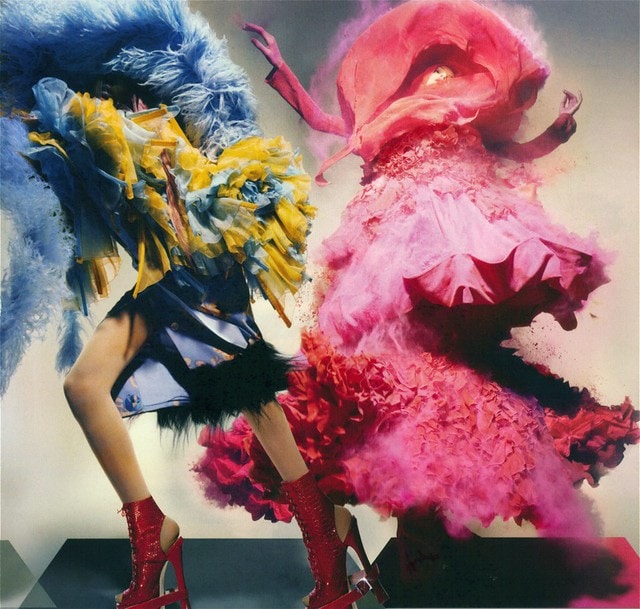
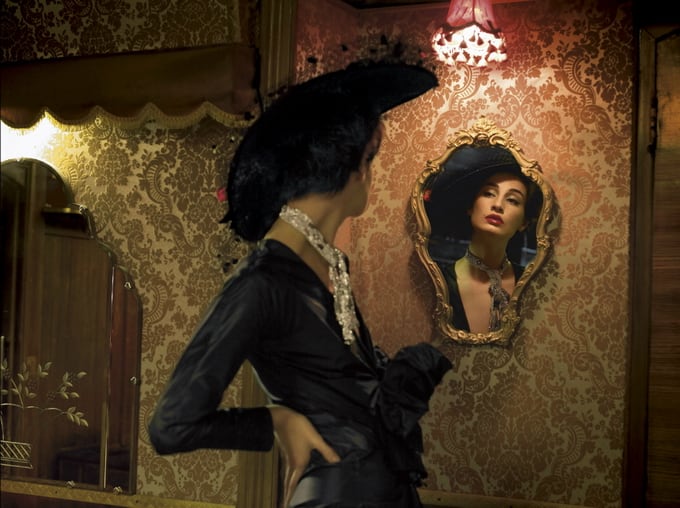
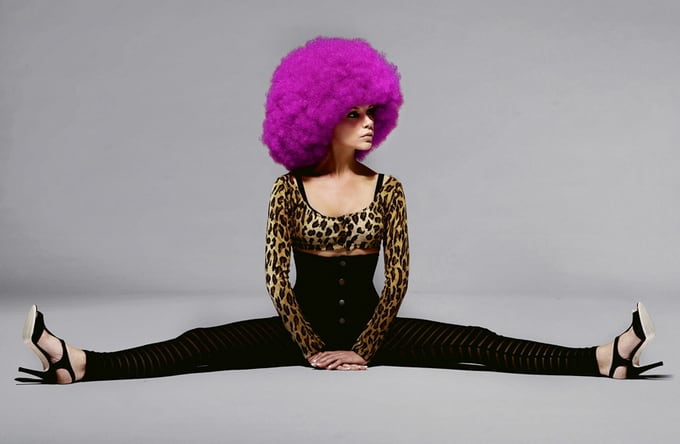
Minogue matters because she helped define the modern pop star as a collaborator in image-making, not just a singer fronting songs. Her records often arrive with a distinct visual world: editorial photography, stylised performance clothes, glamorous hair and makeup, and album campaigns that treat each release as a new character. That makes her especially relevant to photographers, art directors, stylists, and magazine editors.
Her longevity also matters. Many performers peak once; Minogue has sustained multiple commercial and critical revivals across decades. She has worked through changing formats, from physical singles and music television to digital releases and live spectacle, while keeping a recognisable identity. For visual culture, that endurance is important because it shows how image discipline can support a long career.
What does Kylie Minogue look like in practice?
In practice, Minogue often appears through carefully controlled surfaces: fitted silhouettes, metallic fabrics, glossy lighting, and choreographed poses that emphasise movement and control. Photographers frequently frame her as both accessible and aspirational, using clean backgrounds or highly styled sets to underline precision. Her portraits tend to balance friendliness with polish, which is part of why she works so well in editorial fashion contexts.
Her collaborations with photographers and designers show how much pop depends on production outside the studio. A Kylie image is rarely accidental. Wardrobe, retouching, lighting, and art direction all support the same effect: a performer who looks composed, elegant, and slightly unreal. That visual consistency has helped turn her into a recognizable brand as much as a recording artist.
How has she been received?
Minogue has been widely praised for resilience, reinvention, and professionalism. Critics have sometimes underestimated her early work because of its association with lightweight pop, but her catalogue has proved more varied and durable than that label suggests. Later albums and live tours have received attention for their craft, staging, and sense of timing.
Her award history reflects that broad recognition. Alongside major music prizes, she has been honoured for her contribution to popular culture and to Australian music specifically. The repeated use of labels such as “Princess of Pop” points to a career that fused commercial success with a highly managed public image, and that combination is exactly what makes her relevant to visual and design publications.
Frequently Asked Questions
Is Kylie Minogue just a singer?
No. She is also an actress, songwriter, record producer, and occasional television judge. Her fame began on television, and that screen presence still shapes how her music is presented.
Why is she associated with fashion and photography?
Minogue’s career depends heavily on visual reinvention. Each era tends to have a distinct look, built through styling, set design, and photography as much as through music.
What makes her career unusual?
She has remained commercially visible across multiple decades while changing her image without losing recognisability. That combination of reinvention and consistency is rare in pop music.