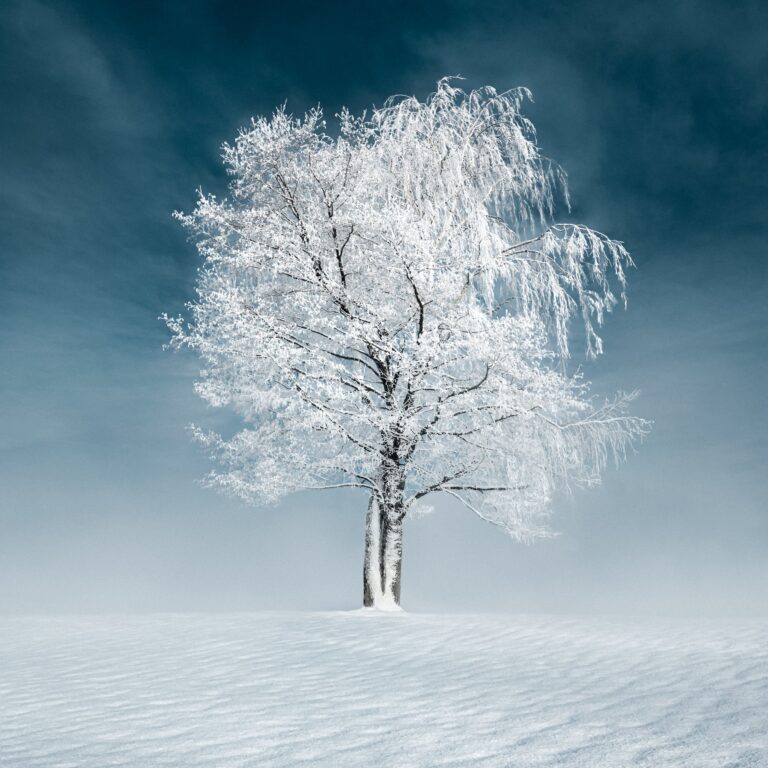
Landscape photography is a genre of photography focused on spaces: mountains, coastlines, forests, deserts, city edges, skies, ice, water, and other environments seen at scale or in intimate detail. It usually aims to describe place as much as to portray it, using light, weather, framing, and depth to make an environment feel physical and legible.
- It grew out of early travel, survey, and expedition photography, then became a distinct fine-art and editorial genre.
- The subject is not only “beautiful scenery”; it can include remote wilderness, cultivated land, industrial edges, and aerial or microscopic views.
- Composition matters as much as subject: horizon placement, foreground structure, atmospheric perspective, and contrast shape the image.
- Modern landscape photography often uses digital cameras, drones, stitched panoramas, filters, and long exposures to control scale and surface.
- Its best-known images often balance description with mood, turning a place into a visual argument about light, time, and distance.
What landscape photography tries to do
Landscape photography makes a place visible as a subject in itself. A strong image usually records terrain, weather, and light, but it also organizes those elements into a readable picture. That can mean a wide vista with a clear horizon, a close study of rock, frost, or water, or a view that uses scale to show how small a human figure appears within an environment.
The genre has never been limited to untouched nature. It can include farms, roads, power lines, quarries, suburban edges, and shorelines shaped by people. In practice, many landscape photographers decide how much human trace to include, because a fence, a cabin, or a road can change the meaning of the image from wilderness to inhabited land, from document to commentary.
Where did it come from?
Landscape photography emerged alongside the 19th-century expansion of photography itself. Early cameras were used in expeditions, scientific surveys, colonial mapping, and tourism, where images of mountains, ruins, and distant coasts helped classify and promote places. The genre drew from landscape painting, especially its habits of framing, idealizing, and organizing space for an audience.
As cameras became more portable and exposures shorter, photographers could work in changing weather and rough terrain, not just from fixed viewpoints. By the 20th century, landscape photography had split into several traditions: documentary, pictorial, conservation-minded, and later fine-art approaches that treated land, atmosphere, and geology as formal material rather than mere scenery.
What does it look like in practice?
Landscape photographers work with light as a primary material. Dawn, dusk, fog, snow, haze, and strong side light are common because they reveal shape and depth. Wide-angle lenses can emphasize foreground texture and give the viewer a sense of entering the image, while telephoto lenses can compress layers of hills, ice, or buildings into flat bands of tone. Long exposures smooth water and clouds; short exposures freeze weather or surf.
The tools vary widely. Some photographers use large-format cameras for detail and tonal control; others use mirrorless cameras, drones, stitched panoramas, or infrared sensors. Post-production often corrects color, balances contrast, and blends multiple frames, especially in high-dynamic-range scenes. The finished picture may look natural, but it is often the result of careful decisions about timing, perspective, and editing.
Why does landscape photography matter?
Landscape photography shapes how people imagine distant places. It can build a sense of wonder, but it can also frame conservation, tourism, land use, and climate change. Images of glaciers, forests, drought, fire, and coastlines now circulate as visual evidence of environmental change, which gives the genre political weight as well as aesthetic appeal.
It also matters because it trains attention. A good landscape photograph does not simply say that a place is impressive; it shows how rock, vegetation, mist, or ice organize space and feeling. That is why the genre remains central in magazines, books, exhibitions, and social media feeds alike: it gives form to environments that are otherwise hard to hold in memory.
Frequently Asked Questions
Is landscape photography only about wilderness?
No. Wilderness is only one branch of the genre. Urban margins, agricultural land, industrial sites, coastlines, and even gardens can all count as landscapes when the photograph is built around place, distance, and spatial structure.
How is landscape photography different from travel photography?
Travel photography usually describes a journey, a destination, or the experience of being somewhere. Landscape photography is narrower: it concentrates on the visual character of a place itself, often with less emphasis on people, events, or narrative. A travel image can include a landscape, but a landscape photograph does not need to tell a travel story.
What equipment matters most?
Camera choice matters less than control over light, timing, and viewpoint. Many landscape photographers use tripods, filters, and lenses chosen for the intended perspective, but composition and weather usually shape the result more than gear alone. The same place can produce very different photographs depending on season, atmosphere, and distance.
Articles mentioning Landscape photography