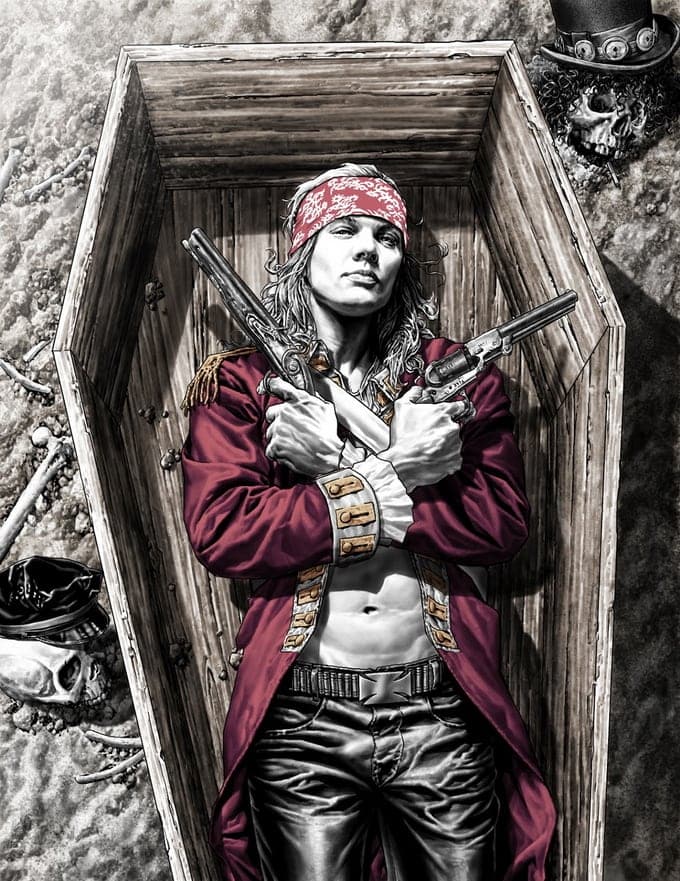
Lee Bermejo is an American comic book artist known for highly detailed interior pages and cover art, especially for dark, realist superhero stories. He built his career from the late 1990s onward, starting in comics as an intern at Wildstorm in 1997 and developing largely as a self-taught artist.
| Field | Detail |
|---|---|
| Profession | Comic book artist, illustrator, cover artist |
| Nationality | American |
| Career start | 1997, as an intern at Wildstorm |
| Training | Mostly self-taught |
| Known for | Interior illustration, cover art, realist rendering |
How did Lee Bermejo become known?
Bermejo entered comics through studio work rather than a formal art-school pipeline. That matters because his style developed inside production culture: page deadlines, editorial direction, and the demands of sequential storytelling shaped the look of his work. He is often associated with a polished, heavy-lined realism that gives costumes, faces, and cityscapes a dense physical presence.
His early professional footing at Wildstorm placed him near a major comics workshop and publishing environment. From there, he moved into broader mainstream work, where publishers used him both for full interior sequences and for covers that needed immediate impact. In comics, that dual role is common for artists whose drawing carries strong narrative atmosphere as well as commercial clarity.
What does his drawing style look like?
Bermejo’s pages tend to emphasize weight, texture, and shadow. He uses strong anatomy, hard edges, and careful surface detail so that leather, metal, skin, smoke, and rain feel tactile rather than decorative. The result often reads as cinematic, but it remains rooted in the page: panels are built to control pacing, reveal character expression, and push the eye through a scene.
His cover art usually condenses that approach into a single image. Figures are posed with tension, cropped tightly, or set against dark backgrounds that heighten contrast. Rather than favoring airy linework or cartoon simplification, he leans into dense mark-making and moody rendering, which suits crime stories, horror-tinged narratives, and grim superhero books.
Why does he matter in comics?
Bermejo belongs to a generation of artists who helped define a more grounded mainstream superhero aesthetic. He did not abandon spectacle, but he translated it into a harder, more tangible visual language. That shift is important in comics publishing, where a single artist can affect how an entire character or story feels across interiors, variant covers, and promotional images.
His career also shows how a self-taught artist can move from entry-level studio work into sustained professional visibility. In a field that still values draftsmanship, speed, and adaptability, Bermejo’s path demonstrates that technical authority can come from practice and production experience rather than formal credentials alone.
Where is his work usually seen?
Bermejo’s name appears most often on mainstream superhero books, graphic novels, and special covers. Publishers use artists like him for projects that benefit from a dramatic, almost poster-like image while still needing the discipline of sequential pages. That means his work can function in two registers at once: as storytelling and as branding.
For readers, his pages are recognizable by their density. Faces tend to carry a lot of micro-expression, clothing looks physically worn, and environments are built with enough detail to suggest lived-in spaces. The effect is less airy illustration and more compressed atmosphere, with every panel doing visual labor.
Frequently Asked Questions
Is Lee Bermejo primarily a cover artist or an interior artist?
He works as both. Bermejo has made a name through covers, but he is also known for interior pages where he can sustain narrative rhythm over an entire sequence. The two roles reinforce each other, since the same strengths in composition and rendering serve both a single image and a full comic chapter.
What makes his art different from other superhero artists?
His work usually feels heavier and more grounded than cleaner, more stylized superhero art. He favors dense blacks, realistic anatomy, and controlled textures that make characters seem physically present. That approach gives even exaggerated comic-book subjects a colder, more cinematic tone.
Did Lee Bermejo have formal art training?
He is described as largely self-taught, with little formal art training. That background is important because it places his development inside the working culture of comics rather than in academic illustration. His career shows how production experience and sustained practice can shape an artist’s style over time.
Articles mentioning Lee Bermejo