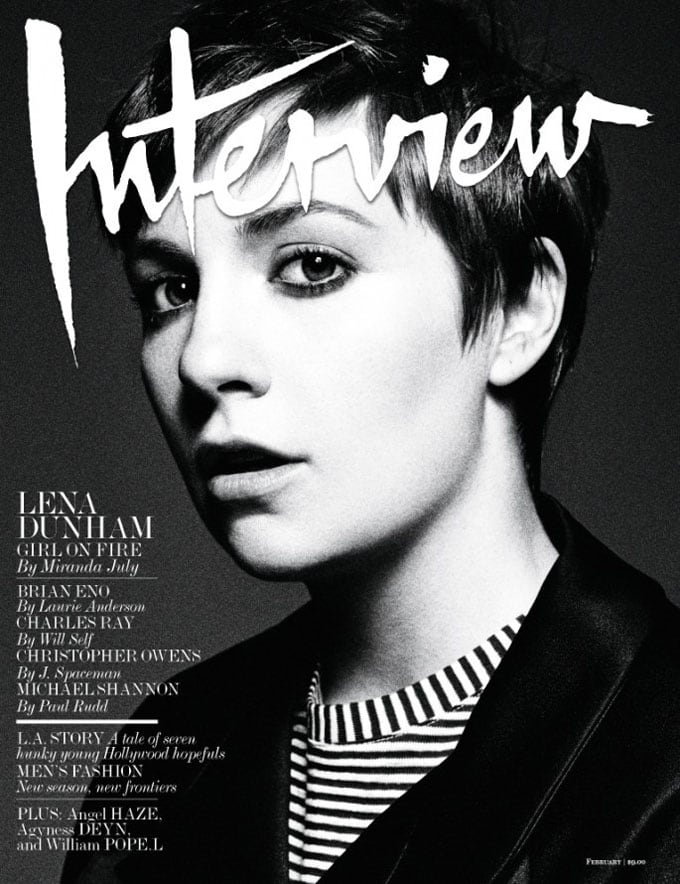
Lena Dunham is an American writer, director, actor, and producer known for making intimate, self-conscious screen work about young adulthood, sex, work, and creative ambition. She first broke through with the independent feature Tiny Furniture (2010) and then became widely known as the creator, writer, and star of HBO’s Girls, a series that shaped early-2010s debates about representation and confessional realism on television.
| Born | 1986, New York City, United States |
|---|---|
| Known for | Tiny Furniture, Girls, essays, screenwriting, directing |
| Mediums | Film, television, memoir, magazine writing |
| Notable awards | Two Golden Globe Awards for Girls; multiple Emmy nominations |
| Best known for | Autobiographical style, comic frankness, and low-budget independent production |
How did Lena Dunham become prominent?
Dunham emerged from the New York independent film scene, where modest budgets and personal subject matter were often a route into visibility. Tiny Furniture, shot with a stripped-down production style and a small crew, presented a version of post-college drift that felt diaristic rather than polished. That mix of apparent candor, dry comedy, and controlled awkwardness became central to her public identity as a maker.
Her rise accelerated with Girls, which premiered on HBO in 2012. As writer, director, executive producer, and lead performer, Dunham helped define the show’s tone: conversational, self-implicating, and willing to keep scenes uncomfortable for the sake of emotional specificity. The series made her a frequent subject of criticism and praise at the same time, which only increased her cultural visibility.
What does her work look like in practice?
Dunham’s work often uses ordinary interiors, low-key lighting, and dialogue that sounds loosely improvised even when carefully written. Her characters tend to be observed in transitional spaces: apartments, bedrooms, offices, kitchens, sidewalks. The visual style usually avoids the glossy finish associated with prestige television, which helps the performances and writing carry the scene.
She also works in a confessional mode that draws directly on personal experience while still shaping that material into fiction. In essays, interviews, and memoir, she uses first-person narration to test the boundary between private life and public performance. That approach has made her important to discussions about authorship, sincerity, and the economics of self-exposure in contemporary media.
Why did Girls matter?
Girls mattered because it centered a group of young women without making them aspirational or especially likable. The show treated money, work, friendship, sex, and failure as ongoing problems rather than as issues solved by a lesson in the episode’s final minutes. Its production also mattered: HBO gave Dunham the freedom to make a series with a specific voice, uneven characters, and a distinctly New York sensibility.
The show’s influence can be seen in later television that adopted a more personal, writerly tone and a looser relationship to conventional likability. It also became a flashpoint around race, class, and whose experience counts as universal. That debate is part of its legacy, not separate from it.
What is her place in contemporary culture?
Dunham has remained a visible figure because she works across several forms at once: film, television, publishing, and journalism. That cross-platform presence matters in contemporary culture, where authorship often extends beyond a single work into a recognizable public persona. She has also used magazines and interviews as part of her creative output, which reinforces the sense that her public speech is part of the work.
Her significance is partly formal and partly industrial. Formally, she helped normalize autobiographical comedy that is frank about embarrassment and bodily experience. Industrially, she showed how a creator with a strong personal voice could move from an independent feature into premium television and remain legible as the same artist across formats.
Frequently Asked Questions
Is Lena Dunham mainly a filmmaker or a television creator?
She is both, but the television work made her more widely known. Tiny Furniture established her voice, while Girls turned that voice into a long-form, collaborative project with a much larger audience. Her later work has continued to move between film, television, and writing.
What is Lena Dunham’s style?
Her style is intimate, self-aware, and rooted in everyday detail. She often writes and directs scenes that feel conversational but are tightly shaped, with humor built from discomfort, embarrassment, and emotional exposure. The result is a form of realism that is stylized rather than naturalistic.
Why is she controversial?
Dunham has been criticized for how her work represents race, class, sexuality, and privilege. Some viewers see her frankness as honest and revealing; others see it as narrowly drawn or overly centered on her own perspective. That tension has followed her since Girls and remains part of how her work is discussed.
Articles mentioning Lena Dunham