
Line art is an image made primarily from distinct lines rather than areas of tone, shading, or blended color. Also called line drawing, it uses straight, curved, broken, or looping marks against a plain or lightly worked background to define form, contour, and movement.
Stories from Line art
7 stories


About Line art
- Built from clear edges: outlines, contours, cross-contours, hatching, or single continuous strokes.
- Usually monochrome, though line color can vary if the image still depends on line rather than shading.
- Common in illustration, comics, diagramming, lettering, design sketches, technical drawing, and some print processes.
- Works by suggestion as much as description: a few lines can imply volume, texture, and gesture without full modeling.
- Often used when clarity, speed, reproducibility, or graphic impact matters more than pictorial realism.
Read the full overviewWhat line art does, Where it came from, Why artists and designers still use it, What line art looks like in practice
What line art does
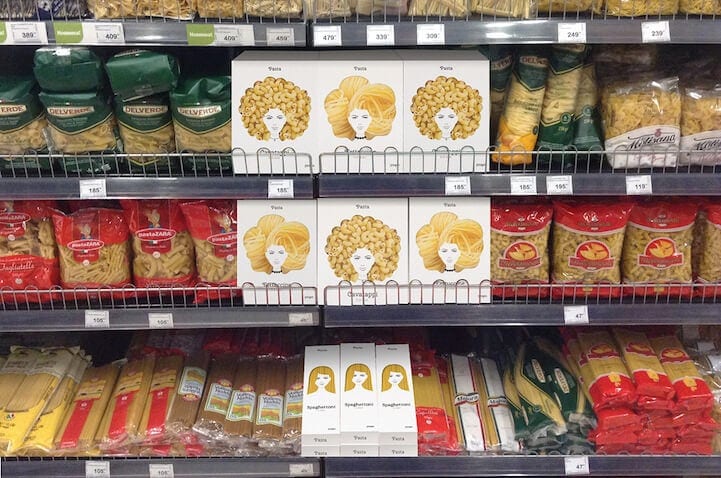
Line art separates an object from its ground with contour. Instead of building a form through shadows and smooth transitions, it defines that form with edges and internal marks. A face, chair, staircase, or pasta strand can read instantly if the line carries enough information about shape and proportion.
This economy gives line art a distinct look: crisp, direct, and sometimes schematic, but not necessarily simple. A skilled line drawing can feel loose and expressive, or exact and mechanical. The same basic method appears in editorial illustration, fashion sketches, architectural plans, and packaging graphics because it compresses information into a clean visual language.
Where it came from
Line is one of the oldest visual tools. Cave marks, ink drawing, manuscript illumination, engraving, and woodcut all rely on line to describe figures and spaces. Before reliable full-color reproduction, printed images often depended on linear structure because presses could repeat black marks more easily than subtle tonal effects.
In modern design, line art became especially useful when reproduction had to stay economical and legible. Lithography, engraving, and later digital drawing tools made it easy to produce sharp outlines for books, posters, logos, instruction sheets, and comics. The term itself is practical rather than lofty: it names a way of constructing an image, not a style school or movement.
Why artists and designers still use it
Line art matters because it makes form readable quickly. It can strip away atmosphere and still preserve character, posture, and structure. That is why it appears so often in concept sketches, product drawings, scientific illustration, and visual satire: the line tells the viewer what matters first.
It also carries a strong graphic identity. A line drawing can look delicate, humorous, spare, or severe depending on weight, rhythm, and spacing. In packaging, posters, and publications, that clarity helps an image sit well with typography and layout. In art, the same clarity can become expressive in its own right, especially when line is used to suggest motion, tension, or fragility.
What line art looks like in practice
In practice, line art may be a single continuous contour, a dense network of hatch marks, or a sparse outline with a few interior lines. Some works keep the line uniform, while others vary pressure and thickness to create emphasis. The background is often left plain so the eye stays on the drawn structure rather than on tonal atmosphere.
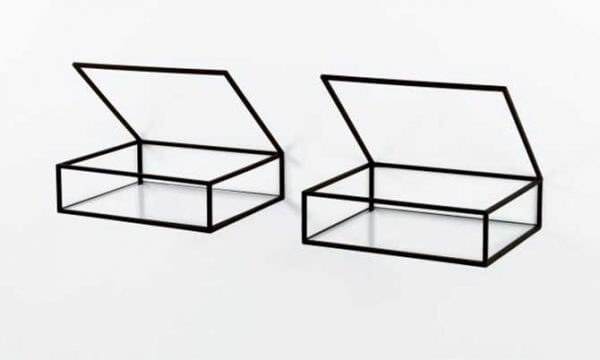
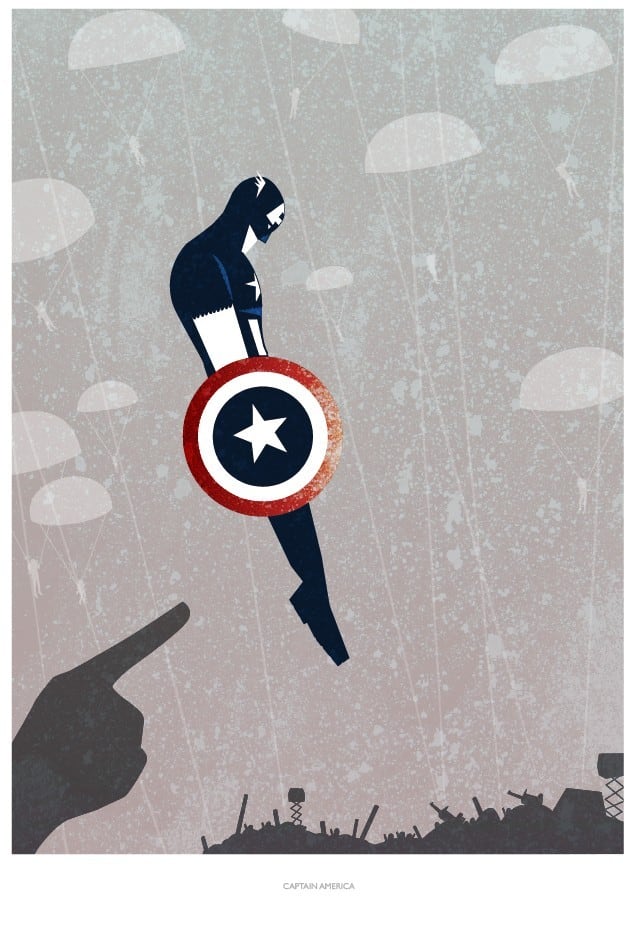
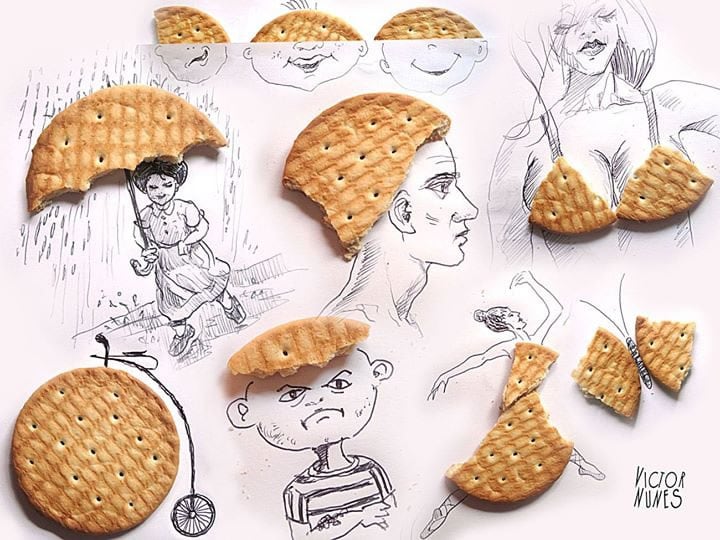
Many of the works tagged with line art use it to make strange, witty, or elegant objects feel immediate: figures built from a handful of strokes, furniture reduced to elegant outlines, or imagined forms that look like sketches brought into three dimensions. The method is useful precisely because it can move between illustration, notation, and finished image without changing its basic grammar.
Frequently Asked Questions
Is line art the same as a line drawing?
Yes, in ordinary usage the terms overlap closely. Line drawing often refers to the act or result of drawing with line, while line art can also describe the finished image or the broader category of images built this way. In design workflows, the phrase often points to artwork that can be reproduced cleanly without tonal shading.
Can line art use color?
Yes. Line art is usually black or another single color, but the key feature is dependence on line rather than shading or blended tone. A colored contour drawing still counts as line art if the image reads through outlines and marks instead of modeled gradients.
What is the difference between line art and shading?
Shading models form by changes in tone, from light to dark, often to suggest volume and light source. Line art does not rely on those tonal transitions; it describes form through edges, contours, and internal structural marks. Many drawings combine both, but a pure line image keeps the image legible without shade.