
Luiz Gonzaga was a Brazilian singer, songwriter, accordionist, and songwriter of rural northeastern music who helped turn forró and baião into national forms. Born in Exu, Pernambuco, he carried the sounds of Brazil’s northeast into radio, record studios, dance halls, and public memory, becoming known as the “King of Baião.” His work gave a wider audience to instruments, rhythms, and voices shaped by the sertão, especially the accordion, triangle, and zabumba.
Stories from Luiz Gonzaga
1 story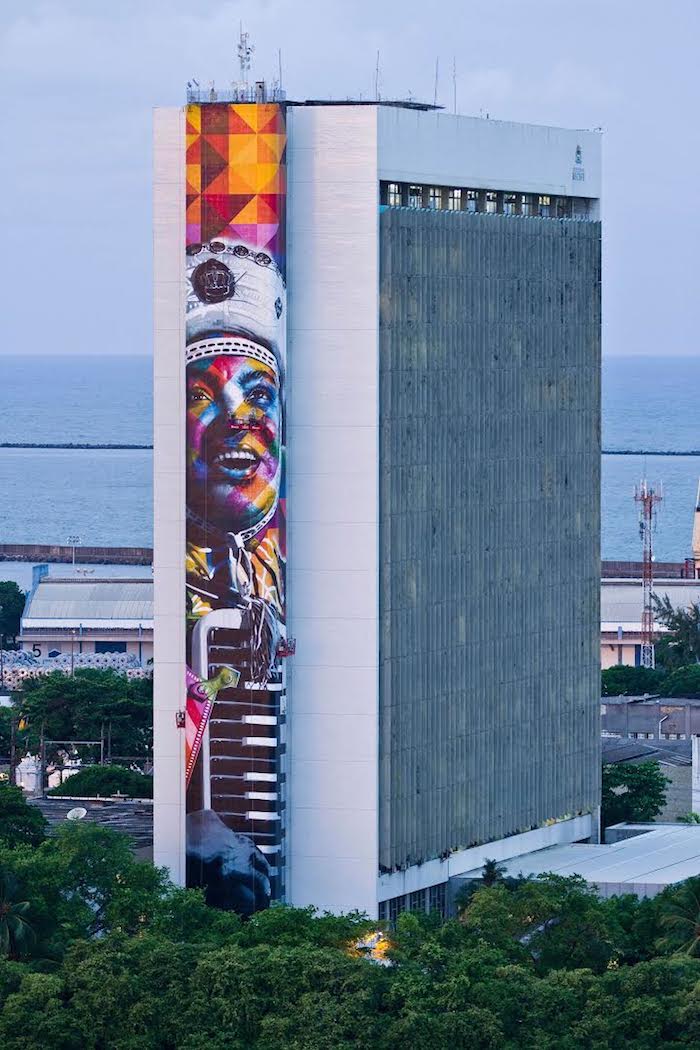
About Luiz Gonzaga
- He came from Exu, in the interior of Pernambuco, and rooted his music in the culture of Brazil’s northeast.
- He popularized baião, a dance rhythm built around accordion-led melodies and strong percussion.
- His recordings helped define forró as a commercial and social music for parties, radio, and regional identity.
- He often sang about migration, drought, work, longing, and life in the sertão.
- He became a national symbol of northeastern Brazilian culture, not just a local performer.
Read the full overviewWhy Luiz Gonzaga mattered, What does his music sound like?, How did he shape Brazilian popular culture?, What to know when his name appears in art and design
Why Luiz Gonzaga mattered
Gonzaga mattered because he made a regional sound legible to the rest of Brazil without flattening it. Before his rise in the 1940s and 1950s, much of northeastern rural music stayed outside the main commercial circuits centered on Rio de Janeiro and São Paulo. He brought it into the mainstream through radio performance, recording, and a distinctive stage persona: white suit, broad hat, accordion in hand, and songs that sounded at once festive and precise about place.
His importance was musical and cultural. He did not invent the traditions he used, but he curated, arranged, and amplified them. By pairing the sanfona with triangle and zabumba, he helped establish the instrumentation now associated with forró and baião. That combination still defines how the music looks and sounds in practice: tight rhythmic drive, call-and-response phrasing, danceable tempo, and lyrics drawn from everyday life.
What does his music sound like?
Gonzaga’s recordings are built on clear melody, rhythmic emphasis, and direct storytelling. The accordion often carries the tune, while the triangle marks time with sharp metallic brightness and the zabumba supplies a deep pulse. The result is music that can move a floor quickly or hold a slow, steady sway. His singing style is plainspoken rather than ornamental, which makes the lyrics feel close to speech even when the arrangement is dense.
He sang about drought, cattle, departures, return, devotion, and the social life of the interior. Songs such as “Asa Branca” turned the experience of migration into a national reference point, with images of dry earth, lost rain, and the hope of coming back. That specificity matters: the music does not present the northeast as a vague folk symbol but as a lived environment with its own weather, labor, and customs.
How did he shape Brazilian popular culture?
Gonzaga helped shift the status of northeastern music from local tradition to national repertoire. His success opened space for later singers, composers, and regional bands who worked with the same rhythmic base. He also influenced how Brazilian popular culture pictured the northeast: not only as a place of hardship, but as a source of style, invention, humor, and dance.
That image traveled beyond music. Visual artists, muralists, designers, and stage makers have often used Gonzaga’s figure as shorthand for northeastern identity: the hat, the accordion, the patterned costume, the rural landscape, and the dry horizon. In this sense, his legacy is partly graphic. He became a recognizable icon whose clothing and instruments communicate a whole cultural world at a glance.
What to know when his name appears in art and design
When Luiz Gonzaga appears in a mural, poster, album cover, or public artwork, the reference usually points to Pernambuco, the sertão, or the broader culture of Brazil’s northeast. His image signals rootedness, migration, and popular memory. Artists often use him to connect urban audiences to regional history, especially in Recife and other cities where northeastern identity is part of civic self-image.
His son, Gonzaguinha, also became an important singer and composer, which extended the family’s presence across Brazilian music. But Luiz Gonzaga’s own iconography remains the more immediate reference: a performer whose sound emerged from rural craft and whose public image became a durable national emblem. That combination of material culture, performance style, and regional pride explains why he continues to appear in visual work long after his death in 1989.
Frequently Asked Questions
What is baião?
Baião is a Brazilian rhythm and song form associated most strongly with Luiz Gonzaga. It uses accordion-led melodies and a forceful percussion pattern that makes it easy to dance to. Gonzaga did not simply perform baião; he helped make it widely known as a named style.
Is Luiz Gonzaga the same as forró?
Not exactly. Forró is a broader social and musical category that includes several northeastern dance musics, while baião is one of its core rhythms. Gonzaga is central to both because his recordings helped define the sound people now associate with forró.
Why does he appear in murals and public art?
He represents northeastern Brazilian identity in a highly readable way. The accordion, hat, and regional dress make him visually distinctive, and his music carries strong associations with migration, memory, and the sertão. For artists, that makes him useful as both portrait subject and cultural symbol.