
Marc Jacobs is an American fashion designer known for turning runway ideas into commercially powerful luxury clothes, accessories, and brand identities. He built his reputation through a mix of sharp tailoring, streetwise references, and a willingness to make fashion feel both polished and slightly off-kilter. Since 1997, he has also served as creative director at Louis Vuitton, where his work helped redefine how a historic French house could use celebrity, illustration, and spectacle to sell handbags and ready-to-wear.
Stories from Marc Jacobs
8 stories

About Marc Jacobs
- American designer born in 1963, based in high fashion and luxury retail.
- Founded the Marc Jacobs label and its diffusion line, Marc by Marc Jacobs.
- Appointed creative director of Louis Vuitton in 1997.
- Known for mixing pop culture, irony, and strong merchandising with runway fashion.
- His work shaped the look of luxury branding in the late 1990s and 2000s.
Read the full overviewHow did Marc Jacobs become important?, What does a Marc Jacobs collection look like?, Why did Louis Vuitton matter in his career?, What impact did he have beyond the runway?
How did Marc Jacobs become important?
Jacobs rose through the New York fashion system at a moment when American designers were looking for a bigger global profile. He became widely noticed for collections that combined clean construction with references drawn from youth culture, grunge, thrift, and downtown style. That mix gave his work immediate recognition: the clothes looked designed for the street, but they were built with the structure and finish of luxury fashion.
His influence grew because he understood fashion as a total image system, not just garments. He shaped runway shows, ad campaigns, store environments, and product lines with the same visual control. That made him especially important in an era when luxury brands increasingly sold an attitude as much as a dress or bag.
What does a Marc Jacobs collection look like?
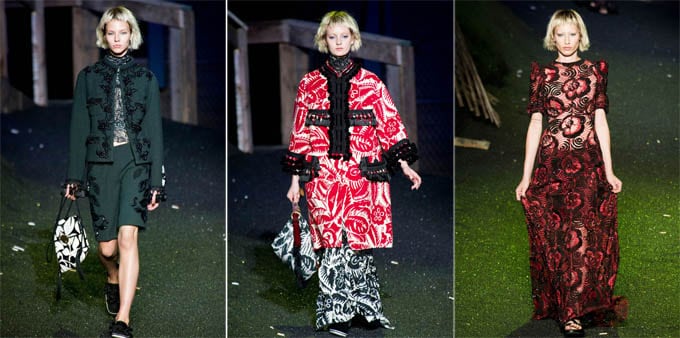
A Marc Jacobs collection often balances elegance with disruption. On one side sit compact coats, satin dresses, sharp skirts, and polished handbags; on the other sit exaggerated proportions, odd color pairings, graphic prints, and deliberately awkward styling. He has repeatedly used references from subcultures and past decades, but he tends to filter them through a crisp, contemporary silhouette rather than copying a source directly.
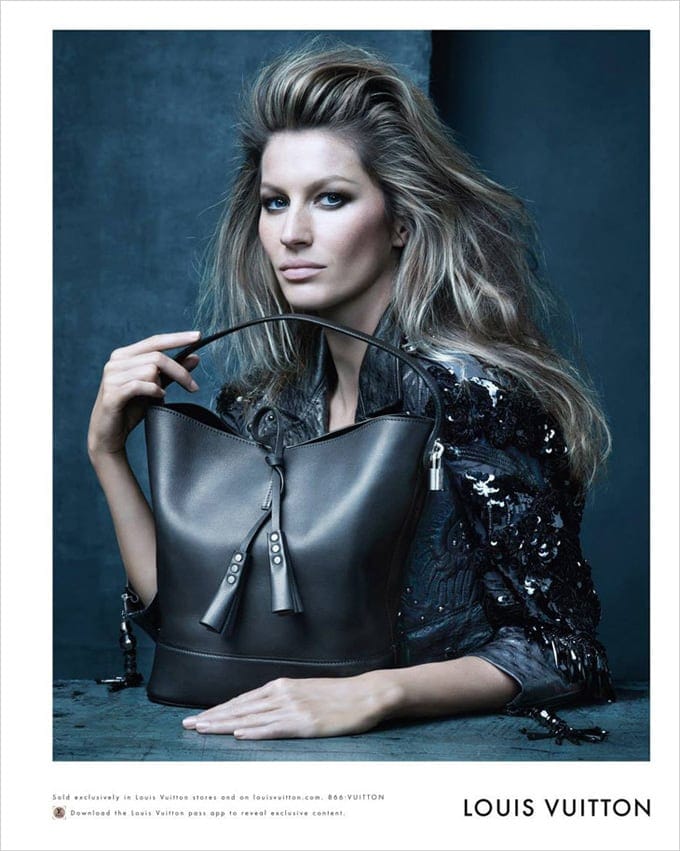
His work at Louis Vuitton showed that approach on a larger scale. There, he helped turn runway presentations into highly produced events and introduced artist collaborations, celebrity imagery, and strong seasonal themes. The result was fashion that could look playful, expensive, and media-ready at the same time.
Why did Louis Vuitton matter in his career?
Louis Vuitton gave Jacobs access to one of the most visible platforms in global fashion. As creative director from 1997, he oversaw ready-to-wear as well as the broader visual language of the house, helping shift it from a luggage maker with fashion ambitions into a full luxury empire with a strong runway identity. His tenure coincided with the brand’s expansion into a wider audience through accessories, advertising, and high-profile collaborations.
The job mattered because it tied his name to a historic French maison while also giving him freedom to stage fashion as a cultural event. Campaigns and shows under his direction frequently relied on recognizable faces, stylized photography, and a sense of humor that kept the brand from feeling static. That combination became a template for later luxury branding.
What impact did he have beyond the runway?
Jacobs helped make the designer himself part of the product. His namesake label and diffusion line extended his aesthetic across different price points, which reflected a broader shift in fashion toward tiered branding and lifestyle merchandising. Retail architecture, packaging, and logo use became part of the design language, not just the clothes inside the store.
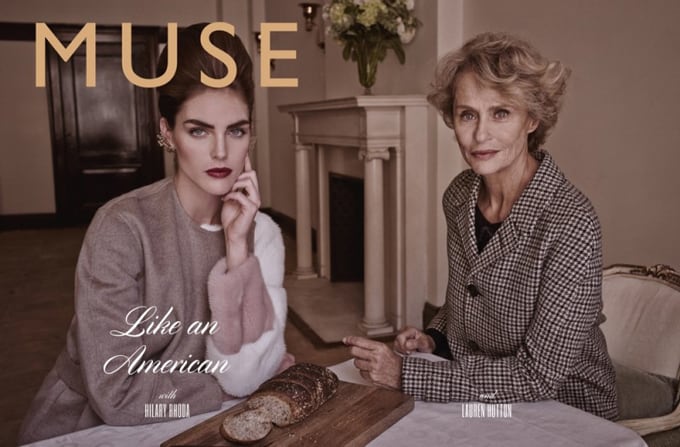
He also influenced how fashion media presents luxury. His work often appears in editorial spreads and celebrity covers because it photographs well: strong silhouettes, clear branding, and a point of view that reads quickly on a page. That visibility helped make him one of the most commercially and culturally recognizable American designers of his generation.
Frequently Asked Questions
Is Marc Jacobs a luxury brand or a person?
Marc Jacobs is a person, and Marc Jacobs is also the name of the fashion label he founded. The brand includes clothing, handbags, shoes, and accessories, with a distinct image built around his design sensibility. The overlap between the man and the brand is central to his career.
What is he best known for designing?
He is best known for ready-to-wear collections, handbags, and the overall visual identity of his namesake label. He is also strongly associated with Louis Vuitton’s fashion reinvention from the late 1990s onward. In both settings, he worked across garments, accessories, campaigns, and presentation.
Why do fashion editors keep returning to his work?
His clothes and campaigns are easy to read visually but rarely simple in meaning. They offer a clear idea, a strong silhouette, and a recognizable point of view that fits editorial storytelling. That makes them useful for magazines, photographers, and stylists who want fashion with immediate impact.