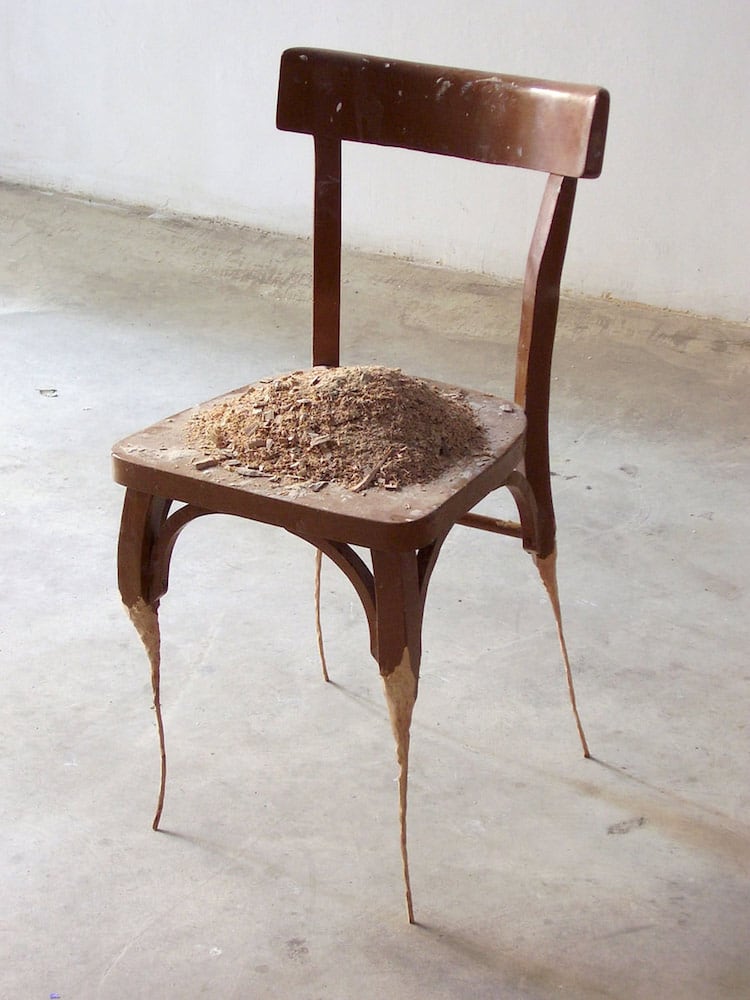
Melancholia is a sustained state of sadness, heaviness, or reflective gloom, often linked to low energy, inward focus, and a taste for solitude. The word comes from the Greek melancholia, meaning “black bile,” from the old medical theory that an excess of this bodily fluid caused a downcast temperament. In contemporary use, it can describe both a mood and an aesthetic: subdued, nocturnal, grey-toned, and emotionally restrained.
- It began as a medical idea in classical medicine, then became a literary and artistic mood.
- It is not the same as ordinary sadness; it suggests duration, depth, and a certain stillness.
- Artists often signal melancholia through muted colour, shadow, empty space, and slow pacing.
- The term appears in writing, music, photography, film, and sculpture when work holds grief without turning dramatic.
- Its related terms include melancholy, lugubriousness, moroseness, wistfulness, and saturnine.
Where does the idea come from?
Melancholia has roots in ancient Greek medicine, where doctors explained temperament through the balance of bodily humours. “Black bile” was thought to produce a withdrawn, brooding disposition, and that idea passed into Latin, then into European medical and literary vocabulary. Over time, the term moved away from diagnosis and became a way to describe a state of mind, a mood in writing, and a visual atmosphere.
That history matters because it gives the word a double life. It can still sound clinical, but it also carries centuries of artistic use. By the nineteenth century, melancholia had become a familiar subject in painting, poetry, and music, associated with solitude, memory, loss, and the emotional weight of time.
What does melancholia look like in practice?
In visual culture, melancholia often appears through restraint rather than spectacle. Photographers may use dusk, fog, empty streets, or long shadows; painters may choose low-contrast palettes, exhausted surfaces, or figures that seem paused rather than active. In sculpture and installation, it can emerge through objects arranged as remnants, fragments, or traces of a life interrupted.
The mood is not simply “sad.” It often includes tenderness, nostalgia, and self-awareness. A melancholic image may hold a private feeling without explaining it, which is why it suits work about separation, memory, disability, urban loneliness, or a world seen after excitement has drained away.
Why do artists use melancholia?
Melancholia gives artists a way to work with emotional ambiguity. It allows grief to coexist with beauty, and distance to coexist with intimacy. A piece can feel quiet, even severe, while still carrying strong feeling beneath the surface.
That makes it especially useful in contemporary art and design, where mood is often built through materials and composition. Grey paper, matte paint, dim lighting, worn textiles, desaturated photography, and repetitive forms can all contribute to a melancholic effect. The result is not decoration but atmosphere: a controlled emotional temperature that shapes how the work is received.
How is melancholia different from melancholy?
In everyday English, melancholia and melancholy are closely related, and the second is more common. Melancholia sounds older, more formal, and more medical; melancholy can describe a mood, a tone, or an aesthetic with less clinical force. Both words point to sadness that lingers rather than passes quickly.
Other related terms shift the emphasis. Lugubriousness suggests mournful heaviness, moroseness suggests sullen irritability, wistfulness suggests gentle longing, and saturnine suggests a grave, inward temperament. These terms overlap, but each carries a different texture. Melancholia sits among them as the broadest and most historically loaded.
Frequently Asked Questions
Is melancholia a medical condition or an artistic mood?
It has been both. Historically, melancholia was a medical diagnosis tied to the theory of humours, while modern psychiatry uses different terms for mood disorders. In art and criticism, however, the word survives mainly as a description of mood, tone, and atmosphere.
What materials or visual choices create a melancholic effect?
Muted colour, low light, empty space, and weathered surfaces are common choices. Artists also use repetition, stillness, and a limited palette to slow the viewer’s attention. In photography, dusk, rain, fog, and deep shadow often do the work.
Why does melancholia appear so often in art and design?
It is useful because it holds complexity without needing explanation. Melancholia can suggest memory, loss, distance, and tenderness at once, which makes it adaptable across media. It also gives shape to quiet work that depends on atmosphere rather than action.
Articles mentioning Melancholia