
Mia Wasikowska is an Australian actor known for measured, low-key performances in independent films and studio projects alike. She began in Australian television and film, drew wider attention with In Treatment, and reached global recognition in 2010 with Alice in Wonderland and The Kids Are All Right. Her screen image often combines stillness, precision, and a slightly detached quality that suits psychologically detailed roles.
Stories from Mia Wasikowska
1 story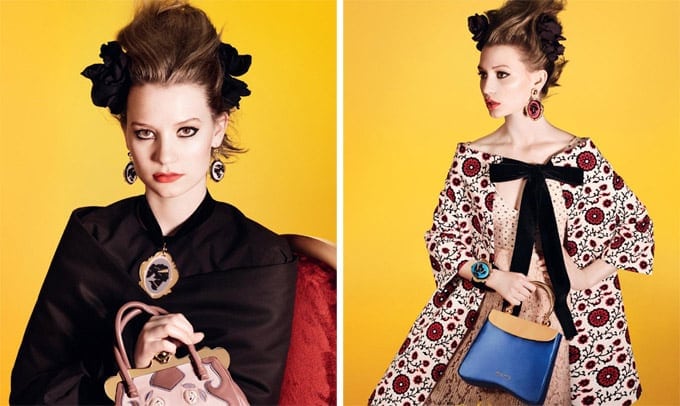
About Mia Wasikowska
- Australian actor who moved from local work to international recognition
- First became widely noticed through HBO’s In Treatment
- Starred as Alice in Tim Burton’s Alice in Wonderland
- Appeared in The Kids Are All Right, earning a breakthrough acting award
- Often cast in restrained, introspective roles rather than broadly theatrical ones
Read the full overviewHow did Mia Wasikowska become known?, What kind of roles is she known for?, Why does she matter in fashion and visual culture?, What does her work look like in practice?
How did Mia Wasikowska become known?
Wasikowska began acting in Australia, where television and film roles gave her early screen experience before she was familiar to international audiences. Her profile rose sharply with In Treatment, the HBO drama that relied on close, emotionally exact performances. That kind of material suited her well: she communicates tension through small shifts in expression and posture rather than overt display.
Her breakthrough into global visibility came in 2010. She played Alice in Tim Burton’s Alice in Wonderland, a large-scale studio production that made her face recognizable around the world. In the same year, The Kids Are All Right confirmed that she could hold her own in an ensemble and work with naturalistic dialogue just as effectively as with stylized fantasy.
What kind of roles is she known for?
Wasikowska has often chosen parts that depend on inner life: daughters, outsiders, observers, and women under pressure. She is not associated with a single fixed type so much as with a particular tone—controlled, alert, and slightly elusive. That makes her useful in films that need emotional ambiguity rather than easy likability.
This range has allowed her to move between genres without losing a coherent screen identity. She has appeared in period drama, literary adaptation, psychological thriller, and independent contemporary stories. Even in more commercial work, she tends to bring a quiet register that keeps the performance grounded.
Why does she matter in fashion and visual culture?
Wasikowska’s relevance to fashion comes from how often her public image has been built around understatement. She has fronted campaigns and editorials that benefit from a composed, unsentimental presence rather than a highly polished celebrity persona. That aligns closely with brands that want clothes to read as design objects rather than pure status markers.
For a publication interested in how things are made, her appeal is partly about silhouette and surface. She photographs well in structured garments, spare styling, and looks that emphasize line over decoration. The effect is consistent with her screen work: clear, controlled, and quietly expressive.
What does her work look like in practice?
In practice, Wasikowska’s performances often depend on restraint. She uses pauses, eye contact, and stillness as active tools, which makes her effective in close-up and in scenes built around subtext. Directors who favor careful framing and minimal performance style have often made good use of her.
That same clarity carries over into fashion imagery. In campaign work, she tends to read as calm and self-possessed, letting cut, fabric, and proportion remain visible. The result is an image of person and garment that feels deliberate rather than overworked, which is one reason her presence has translated so well beyond film.
Frequently Asked Questions
Is Mia Wasikowska mainly a film actor or a television actor?
She started in both Australian television and film, but her international reputation comes mostly from cinema. In Treatment introduced her to a broader audience, while films like Alice in Wonderland and The Kids Are All Right established her as a film actor with range. Television was the launch point, not the final frame of her career.
What kind of screen presence does she have?
Her screen presence is restrained, precise, and often introspective. She tends to communicate emotion through timing and gaze rather than broad gesture. That makes her especially effective in roles where a character’s inner conflict matters more than plot mechanics.
Why is she often mentioned in fashion contexts?
Wasikowska has a clean, understated look that works well in editorial and campaign photography. Designers and stylists can place strong shapes and textures around her without the image becoming crowded. That balance has made her a useful face for fashion images that want calmness, structure, and a slightly detached elegance.