
Michael Massaia is an American fine art photographer and printmaker known for large-format black-and-white images of streets, objects, and overlooked urban scenes. Born in New Jersey in 1978, he builds each work alone, from exposing the negative to making the final print, using a mix of analog photography and heavily modified printing methods. His pictures focus on isolation, disconnection, and the visual weight of ordinary things.
Michael Massaia on FreeYork
About Michael Massaia
- Uses large-format black-and-white film as the core of his process
- Works as both photographer and printmaker, not just an image-maker
- Builds a body of work around ordinary subjects: trucks, objects, streets, and vacant places
- Controls the full workflow himself, from capture to print
- Known for technical rigor and a restrained, atmospheric look
What kind of photographer is Michael Massaia?
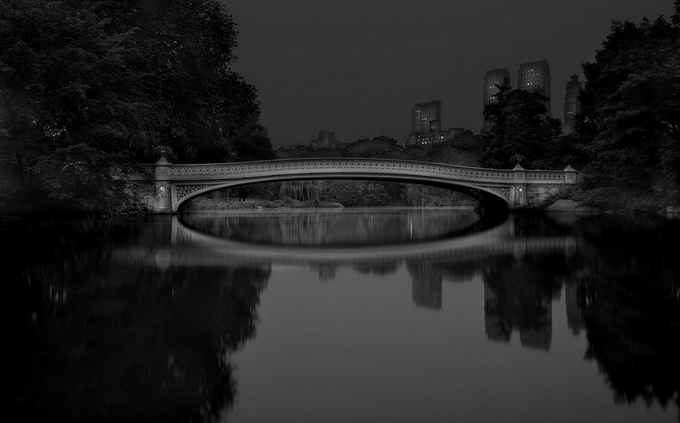
Massaia makes fine art photographs that treat familiar subjects as if they were already monuments. His best-known images often show empty streets, parked trucks, candy-colored objects, or seasonal scenes stripped of human presence. The mood is quiet and detached, but the pictures are not accidental snapshots; they depend on careful framing, long attention, and a strong sense of surface and tonal control.
He is also a printmaker in the strict sense. The final image matters as much as the negative, and his practice includes proprietary changes to darkroom and digital processes that shape contrast, texture, and depth. That emphasis on the print puts him in a tradition of photographers who treat the photograph as a crafted object rather than a simple record.
How does he make the work?
Massaia is closely associated with large-format black-and-white film, a method that demands patience and precision. Large-format cameras produce negatives with fine detail and strong tonal range, but they are slow to use and unforgiving of mistakes. That slowness suits his subject matter, which often depends on stillness, waiting, and close observation.
He also works alone through the entire process. The negative is only the starting point; he then shapes the image through modified analog and digital printing techniques. In practical terms, that means the finished print is not merely a reproduction of the captured scene but the result of repeated decisions about density, contrast, scale, and paper surface.
Why do his subjects matter?
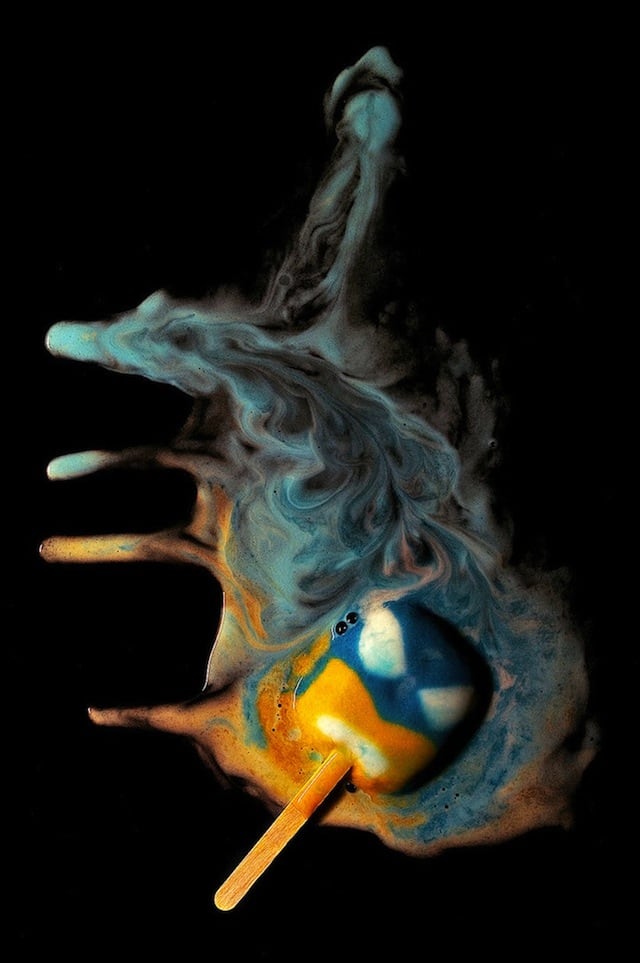
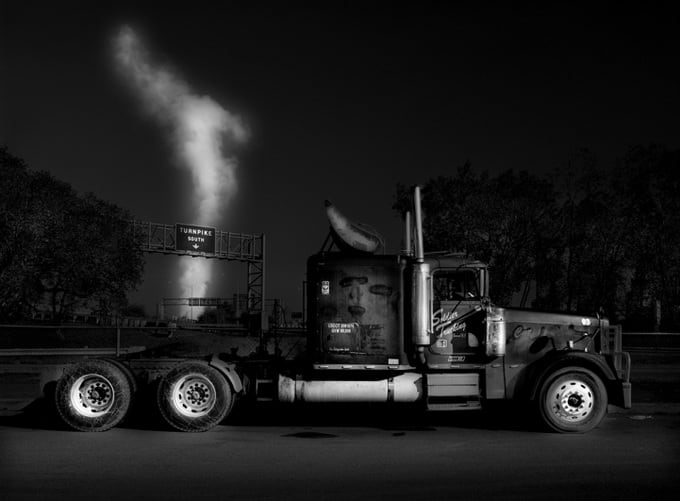
Massaia repeatedly turns toward the ordinary: trucks lined up in a lot, small manufactured objects, public spaces after hours, and city edges that many people pass without seeing. By isolating these subjects, he changes their status. A truck becomes a shape study. A melted popsicle or a worn surface becomes a record of time, use, and decay. The work asks for attention without turning sentimental.
This focus gives the photographs their emotional force. Isolation and disconnection are not just themes in the titles or artist statements; they are built into the way the pictures are composed. Empty space, direct light, and restrained palettes leave the viewer with objects that feel present but untethered, as if removed from their usual purpose.
What does his practice look like in the wider field?
Massaia belongs to a line of photographers who treat process as part of meaning. The choice of black and white, the use of large-format film, and the handmade print all communicate discipline and distance from casual digital production. His work is not about speed, convenience, or documentary completeness. It is about making a print that holds attention as a physical object.
That matters in contemporary photography because many images are made fast, displayed briefly, and consumed on screens. Massaia’s pictures resist that pace. They ask for scale, shadow detail, and a material print seen up close, which gives his work a deliberate, almost sculptural presence.
Questions
Is Michael Massaia mainly a photographer or a printmaker?
He is both. The photographs begin with film exposures, but the finished work depends on printing decisions that he controls himself. In his practice, the print is not secondary to the image; it is where the image becomes complete.
Why does he use black and white?
Black and white removes the distraction of color and pushes attention toward form, tone, texture, and light. That suits his interest in ordinary objects and empty spaces, where small shifts in surface and shadow carry the image. It also reinforces the austere, detached quality that runs through his work.
What subjects is he known for?
He is known for photographing areas and objects that often go unnoticed: trucks, streets, urban edges, and other isolated scenes. Even when the subjects are mundane, the pictures give them a strong formal presence. The result is less about event or story than about how attention changes an object’s meaning.