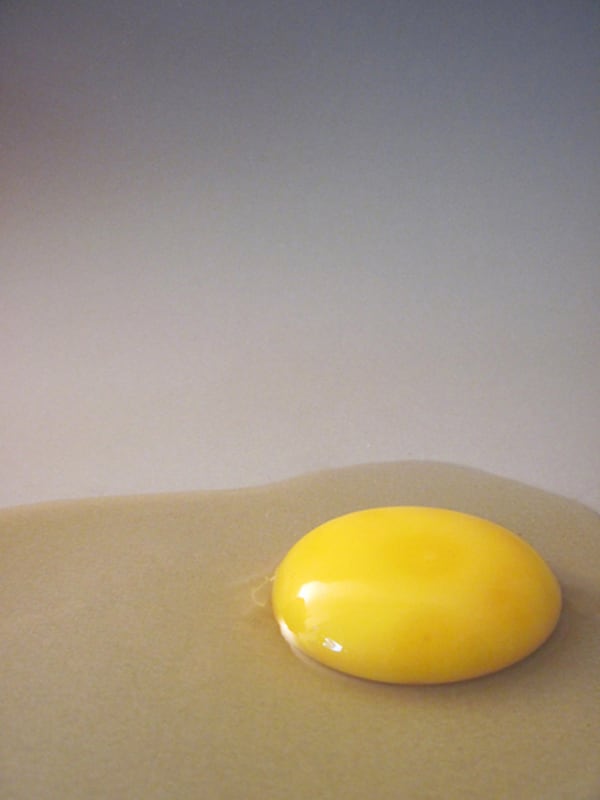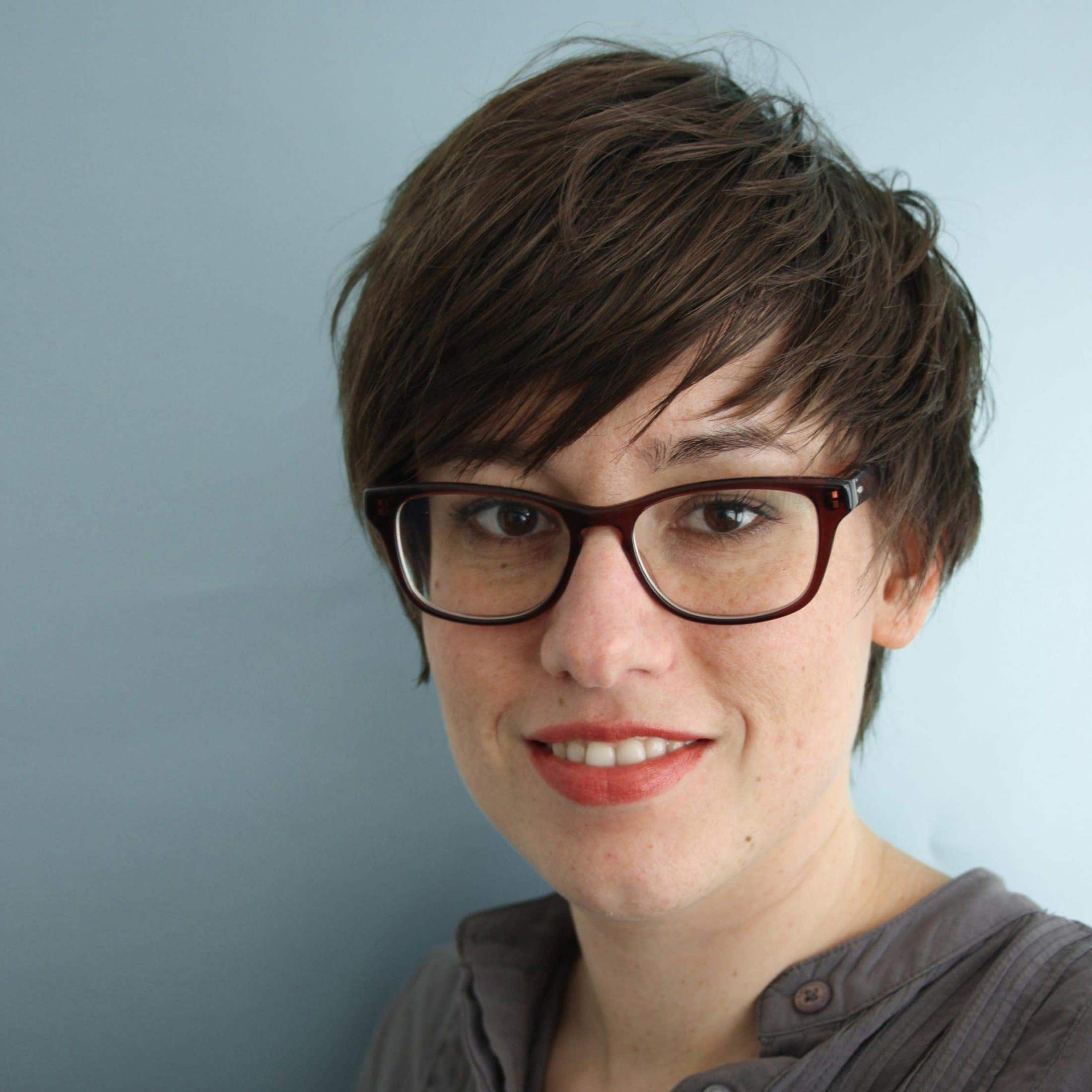
Mieke Cuppen is a Dutch designer and food photographer whose work focuses on cooking and eating culture. She develops concepts, styling, and photography around food, using pureness, structure, line, shade, colour, and texture to build images that feel bold, graphic, and stripped back.
| Field | Design, food photography, styling |
|---|---|
| Nationality | Dutch |
| Known for | Concept-driven images of cooking and eating culture |
| Visual language | Simple compositions, strong shapes, careful colour, tactile surfaces |
| Working method | Combines styling, set thinking, and photography |
What defines her approach?
Cuppen’s work starts with food but does not treat food as a purely culinary subject. She looks at how it sits in space, how it reads as colour and form, and how texture changes the feeling of an image. That gives her photographs a designed quality: ingredients and dishes appear arranged rather than simply recorded.
Her images tend to avoid decorative excess. Instead, they depend on restrained palettes, clear geometry, and a close attention to surface. A rough crust, a matte bowl, a bright slice of fruit, or a shadow edge can become the main visual event. The result is work that feels calm, exact, and materially aware.
How does she work with food as a subject?
Cuppen’s practice joins concept development, styling, and photography. That matters because food images often depend on the relationship between these steps: the idea shapes the set-up, the styling controls how ingredients sit, and the photography fixes the final rhythm of the picture. In her case, those parts seem closely integrated, with the whole image carrying as much weight as the dish itself.
Her attention to cooking and eating culture gives the work a broader frame than recipes or product shots. Food becomes a way to look at domestic ritual, seasonality, tactility, and the visual order of everyday life. Even when the subject is simple, the composition suggests a deliberate design process rather than an incidental snapshot.
Why does her work stand out in food photography?
Food photography often leans toward abundance, polish, and overt appetite. Cuppen takes a different route. Her images are more restrained and graphic, with an emphasis on what can be reduced without losing the subject’s presence. That restraint makes colour, texture, and line feel more pronounced.
This approach gives her work a distinct place within contemporary food imagery. It aligns food with design thinking, where balance, proportion, and material contrast matter as much as depiction. The photographs are not just about what is being eaten; they are about how food can be shaped into a visual composition with clarity and force.
What does her work look like in practice?
In practice, Cuppen’s photographs often rely on simple arrangements and controlled palettes. Ingredients may be isolated or grouped into compact forms, with the frame used to sharpen their contours. Natural tones, muted backgrounds, and careful shadows help make the textures legible.
Because she works across concept, styling, and photography, the image feels authored from the start rather than assembled after the fact. The food is presented with a sense of precision, but not clinical detachment. That balance between softness and structure is central to the appeal of her work.
Frequently Asked Questions
Is Mieke Cuppen mainly a photographer or a designer?
She is both. Her practice combines design thinking with food photography and styling, so the image is shaped as much by composition and concept as by the camera. That hybrid approach is part of what gives her work its clarity.
What subjects does she focus on?
Cuppen focuses on cooking and eating culture, using food as the starting point. Her work is less about literal documentation and more about the visual qualities that food carries: colour, texture, structure, and form. Those qualities help her build images that feel designed rather than purely descriptive.
What makes her style different from typical food photography?
Her style is more graphic and restrained than much commercial food imagery. She uses simple compositions, strong shapes, and careful attention to surface rather than relying on abundance or heavy styling. That makes the work feel modern, exact, and visually disciplined.
Articles mentioning Mieke Cuppen