Naomi Campbell is a British model who became one of the defining faces of late-1980s and 1990s fashion. Scouted at 15, she moved quickly from runway newcomer to global celebrity, and her work helped fix the image of the modern supermodel: highly visible, editorially versatile, and central to both luxury advertising and magazine culture. She has also remained a public figure beyond modelling because of her relationships, business ventures, and repeated legal troubles.
- Born: 22 May 1970, London, England
- Profession: Fashion model, occasional actor, television personality, and business figure
- Breakthrough: Rose to prominence in the late 1980s and early 1990s as part of the supermodel era
- Known for: Runway work, magazine covers, campaign images, and a highly polished public persona
- Legacy: One of the most recognisable models of her generation and a lasting reference point for glamour in fashion imagery
How did Naomi Campbell become so important?
Campbell emerged at a moment when fashion was becoming more global, more image-driven, and more dependent on a small group of models who could sell a house style as much as a garment. Her face appeared everywhere: in editorial spreads, on covers, in runway shows, and in advertising campaigns that relied on star power as much as on clothing. That visibility made her more than a working model; it made her a brand in herself.
She was also part of a broader shift in fashion labour. Designers and magazines were beginning to treat top models as recurring collaborators, not anonymous hangers. Campbell’s presence in those years helped define the value of the model as performer, muse, and celebrity, especially in an industry that increasingly traded on recognisability.
What does her work look like in practice?
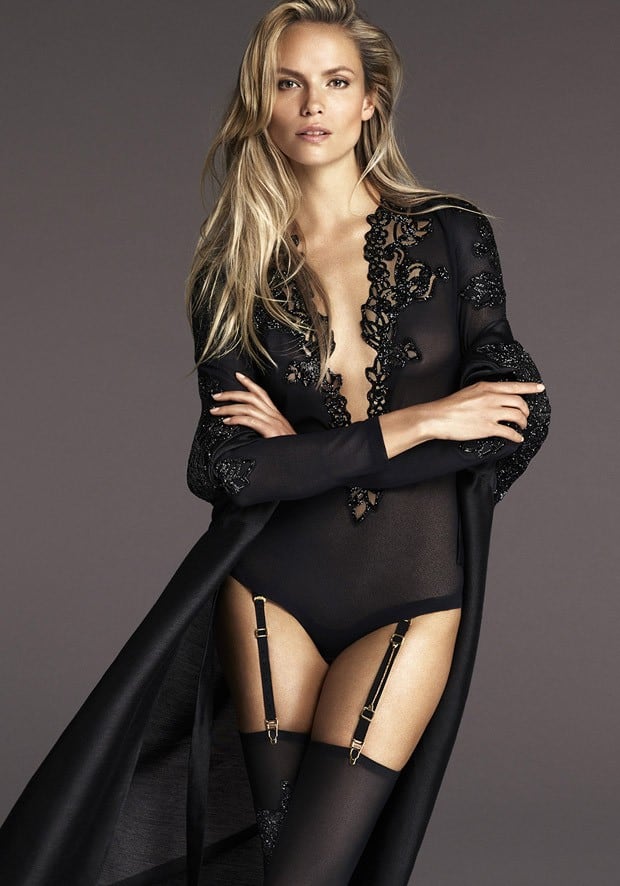
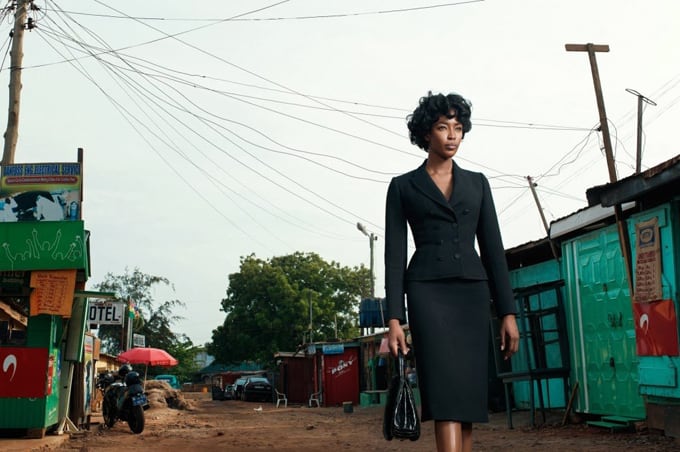
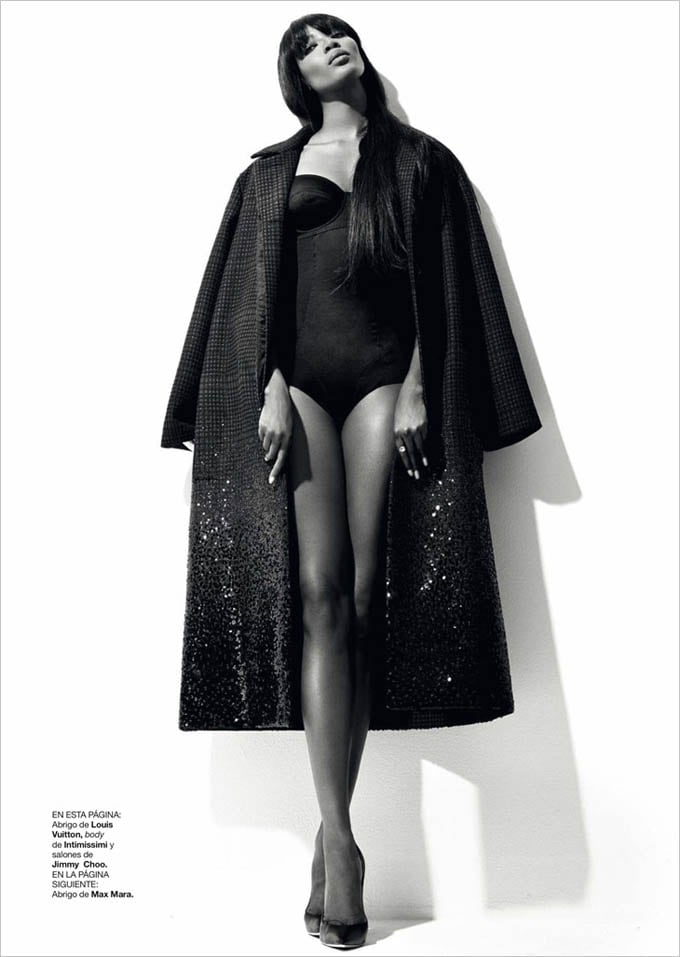
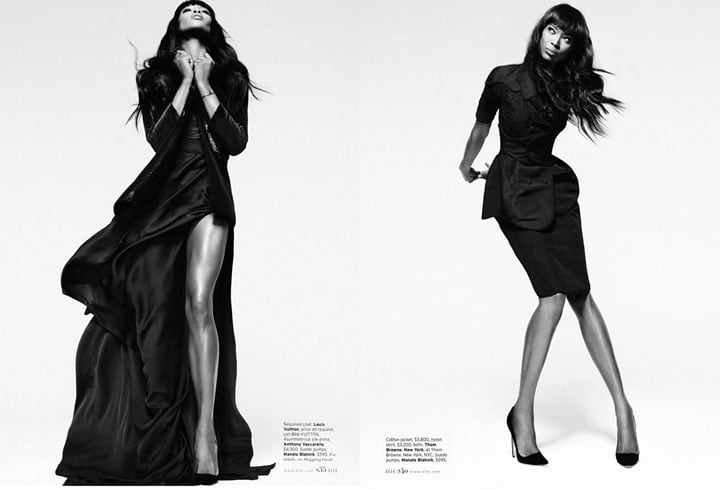
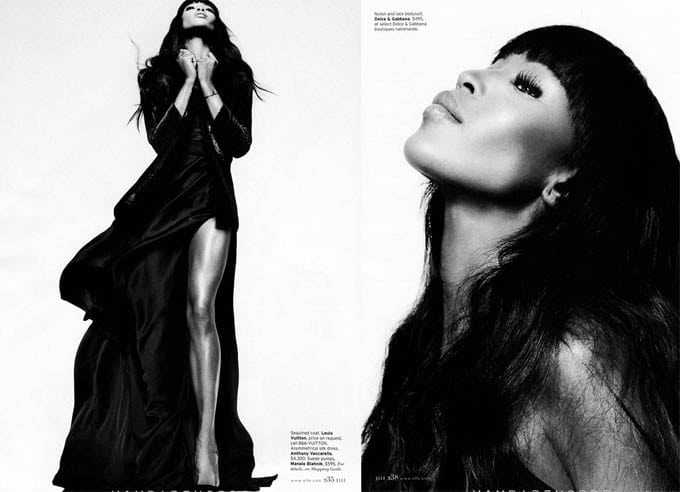
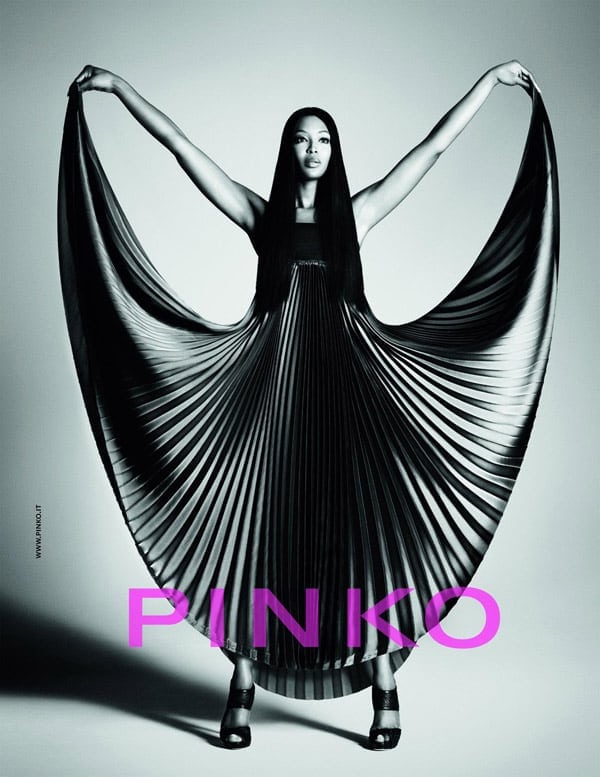
Campbell is known for a strong runway walk, precise posture, and an ability to hold a camera’s attention without losing the line of a garment. In print, she often appears in images that depend on contrast: satin against skin, clean tailoring against a forceful pose, or sharp lighting that emphasises structure and gloss. Her work has been used to project luxury, confidence, and a certain controlled glamour.
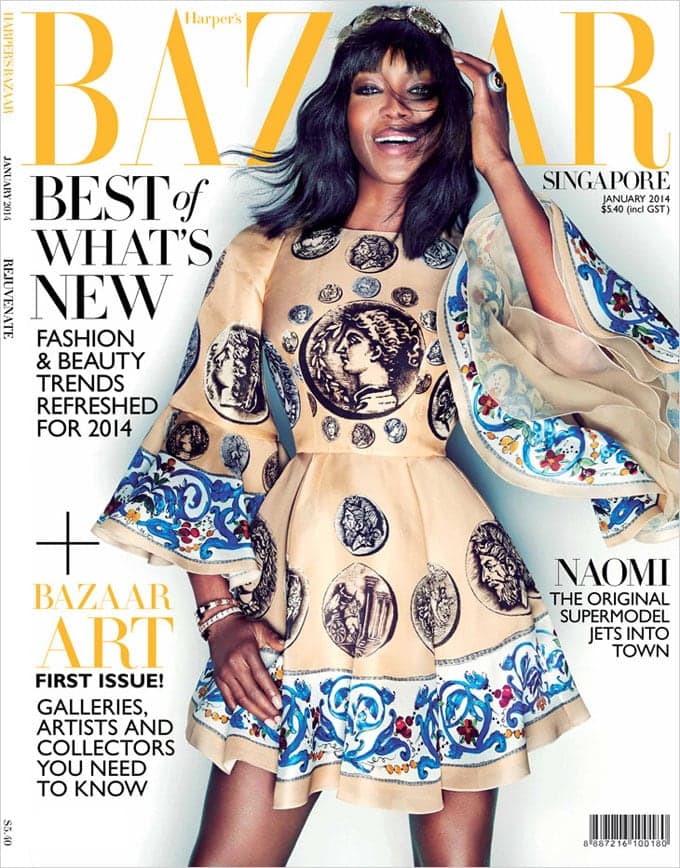
She has appeared in fashion editorials across major magazines and in campaigns for houses that want authority as well as beauty. That matters because modelling at her level is not passive display. It involves reading the demands of a photographer, a stylist, and a designer, then translating fabric, cut, and mood into an image that can carry the entire campaign.
Why does the supermodel label matter?
The term supermodel describes a small group of models whose fame extended far beyond fashion circles. Campbell was one of the best-known names associated with that label, alongside peers whose careers turned them into cultural symbols. The supermodel era changed how fashion media worked by making personalities marketable alongside clothes.
For Campbell, the label mattered because it captured both scale and type. She was not simply successful in one market or one season. She became a recurring image across continents, brands, and magazines, which helped set the standard for what a top model could be: expensive-looking, instantly recognisable, and capable of carrying a full editorial story alone.
What else has shaped her public image?
Campbell’s fame has always included more than fashion. Her relationships with high-profile men, her celebrity friendships, and her confrontations with the press have been part of the way she has been discussed in public. So have several convictions for assault, which have attracted sustained attention and complicated her legacy.
That notoriety matters because it shaped how she was marketed and remembered. Fashion often sells a personality as much as a look, and Campbell’s public life has repeatedly entered the frame around her modelling. The result is a career that can be read as both a visual history of fashion and a case study in the cost of celebrity visibility.
Frequently Asked Questions
Was Naomi Campbell one of the original supermodels?
She was part of the group most commonly identified with the supermodel era, even if that category was not fixed in a formal sense. By the late 1980s and early 1990s, she had become one of the most recognisable and in-demand models in the world. Her career helped cement the idea that a model could be a global celebrity.
What kind of modelling is she best known for?
Campbell is best known for high-fashion runway work, magazine editorials, and luxury advertising. Her image suits fashion that depends on precision, drama, and a strong sense of finish. She has often been cast in campaigns that need presence more than softness.
Why is she still referenced in fashion writing?
Campbell remains a reference point because her career spans a decisive period in fashion history and because her image still carries authority. Writers return to her when discussing supermodels, representation, celebrity, and the commercial power of a distinctive face. She is also still active enough that new campaigns and editorial appearances continue to renew her relevance.
Articles mentioning Naomi Campbell