
Nicaragua is a country in Central America, officially the Republic of Nicaragua, with a Pacific coast to the west and a Caribbean coast to the east. It is the largest country on the Central American isthmus, bordered by Honduras to the north and Costa Rica to the south, and it lies wholly within the tropics.
Stories from Nicaragua
3 stories
About Nicaragua
| Fact | Detail |
|---|---|
| Type | Country |
| Region | Central America |
| Official name | Republic of Nicaragua |
| Capital | Managua |
| Neighbours | Honduras, Costa Rica |
| Coastlines | Pacific Ocean, Caribbean Sea |
Read the full overviewWhere is Nicaragua?, What does Nicaragua look like on the ground?, Why does Nicaragua matter?, How is Nicaragua used in practice?
Where is Nicaragua?
Nicaragua sits in the middle of the Central American land bridge between North and South America. Its geography is defined by two long coasts, a chain of volcanic highlands, and large inland lakes and wetlands. That combination gives the country a wide range of habitats in a relatively compact area, from dry Pacific lowlands to humid Caribbean forest.
The country’s position matters for climate and biodiversity. Warm temperatures are common year-round because Nicaragua lies between roughly 11 and 14 degrees north of the Equator. Rainfall patterns differ sharply across the country, and that difference shapes agriculture, settlement, and wildlife.
What does Nicaragua look like on the ground?
Nicaragua is often described through its landforms. The western side contains volcanic terrain and the main population centers, while the eastern side, known as the Caribbean or Mosquito Coast, is wetter, less densely populated, and more forested. The country also contains Lake Nicaragua, one of the largest freshwater lakes in the Americas, which has long influenced travel, trade, and ecological life.
For natural history and visual culture, Nicaragua matters because its landscapes support a dense variety of plants, insects, birds, and reptiles. A publication like FreeYork may mention the country when discussing species, materials, tourism, or regional production, since place is often part of how objects and ecosystems are made and understood.
Why does Nicaragua matter?
Nicaragua has long held a strategic position in Central America because it connects two oceans and sits near possible trans-isthmian routes. That geography has shaped its politics, economy, and international attention. It also helps explain why the country appears in discussions of migration, shipping, biodiversity, and climate.
Its cultural life is equally important. Nicaragua has a strong tradition of craft, literature, music, and visual culture shaped by Indigenous, African, and Spanish colonial histories. Those histories appear in the built environment, local materials, and everyday forms of making, from housing and textiles to market goods and printed matter.
How is Nicaragua used in practice?
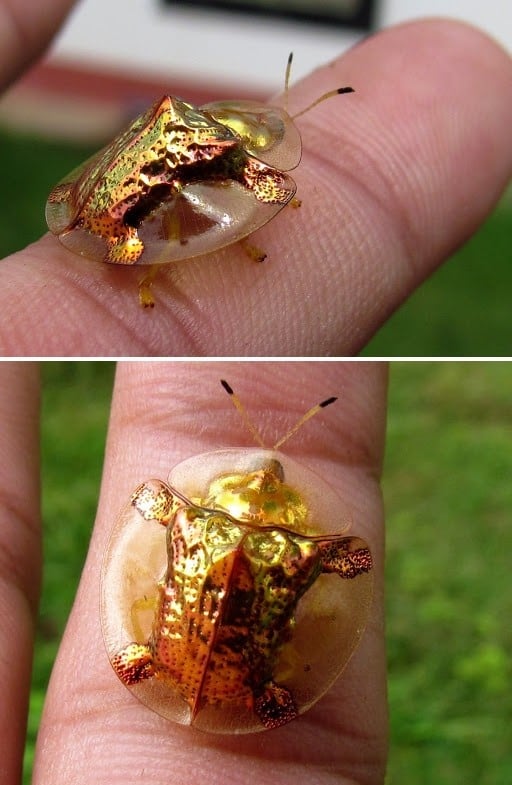
As a reference term, Nicaragua most often identifies origin, setting, or context. A beetle species may be recorded as occurring there; a retiree guide may rank it for climate, cost, and coastal life; a design story may note Nicaraguan materials, labor, or production. In practice, the name signals a specific place with distinct ecological and cultural conditions.
When the country appears in a visual or material story, the details usually matter. A coastal landscape suggests a different palette, texture, and building logic than a highland city. A mention of Nicaragua may therefore point to climate, terrain, craft traditions, or the movement of people and goods rather than to the country as an abstract location.
Frequently Asked Questions
Is Nicaragua in North America or South America?
Nicaragua is in Central America, the narrow land bridge that connects North and South America. Geographically, Central America is part of North America. The country is neither in South America nor in the Caribbean as a political region, though it does have a Caribbean coast.
What is Nicaragua best known for geographically?
It is known for its two coastlines, volcanic western belt, and large lakes. Lake Nicaragua is especially notable and has shaped the country’s ecology and settlement patterns. The contrast between the drier Pacific side and the wetter Caribbean side is one of its defining features.
Why might Nicaragua appear in a design or culture article?
Nicaragua may appear as a place of origin for materials, species, makers, or visual references. Its climate and landscapes affect what grows there and how objects are produced and used. In writing about culture, the country often provides the setting that explains why something looks or functions the way it does.