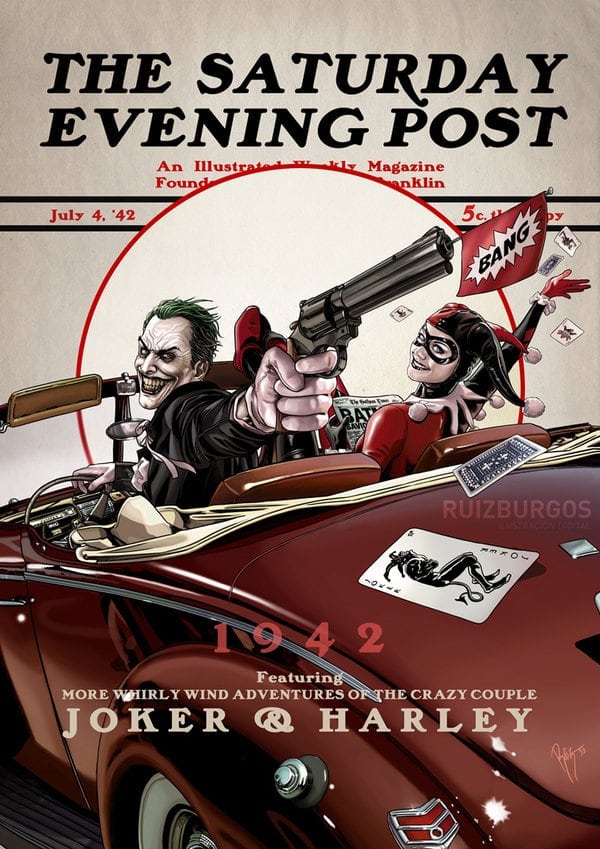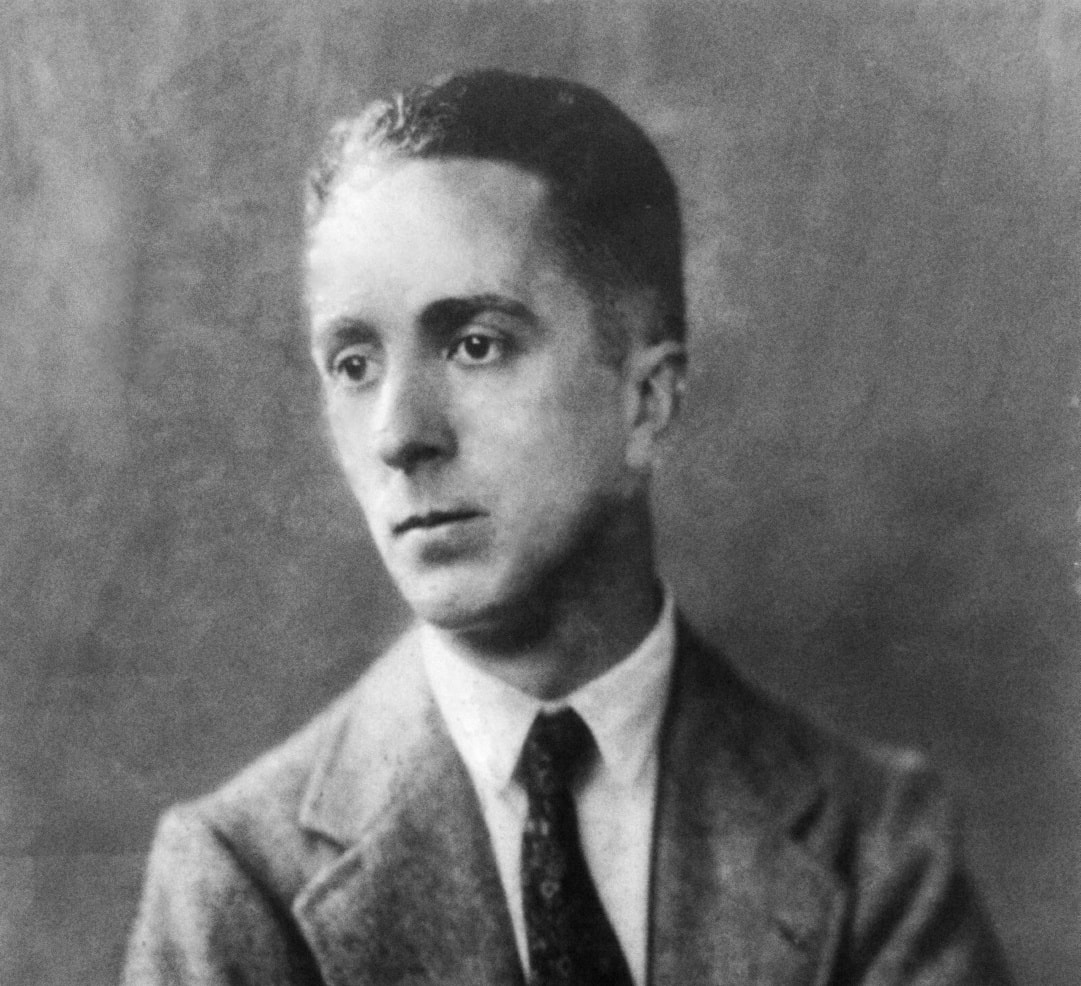
Norman Rockwell was an American painter and illustrator whose carefully staged scenes of ordinary life became some of the most recognizable images in 20th-century US popular culture. He worked mainly in oil on canvas, often beginning with staged photographs, sketches, and detailed compositional studies before painting the final image. His best-known work appeared on The Saturday Evening Post cover over more than four decades.
- Born in New York City in 1894, Rockwell trained at the Art Students League and began publishing professionally as a teenager.
- He built images from live models, props, and photographs, then refined them into polished narrative scenes.
- His art is associated with realism, humor, sentiment, and a strong eye for gesture, costume, and facial expression.
- He made magazine illustration central to his career, especially for The Saturday Evening Post, where his covers shaped a national visual language.
- Later work, especially for Look magazine, engaged more directly with civil rights, poverty, and public life.
How did Rockwell make his images?
Rockwell was a storyteller as much as a painter. He arranged scenes with actors, family members, friends, and neighbors, then photographed them under controlled light to solve questions of pose, expression, and spacing. He sketched from those photographs, adjusted the composition many times, and painted in oil with a smooth finish that kept brushwork nearly invisible.
That method gave his pictures their clarity. Objects, clothing, interiors, and gestures are all legible at a glance, which mattered for magazine covers that had to communicate quickly. Even when the scenes look spontaneous, they were usually built from careful art direction, casting, and design.
Why did his work become so popular?
Rockwell’s pictures offered a version of American life that was readable, familiar, and emotionally direct. He returned again and again to birthdays, schoolrooms, small-town streets, family meals, holidays, and civic rituals. The humor usually comes from observation rather than exaggeration, and the sentiment depends on exact detail: a scuffed shoe, a torn stocking, a crooked tie, a child’s stare.
That accessibility made him enormously popular, but it also made him controversial. Critics often dismissed him as merely illustrative or overly sentimental, while defenders valued his craftsmanship and narrative control. His reputation has shifted over time as museums and collectors have paid closer attention to illustration as a serious visual form.
What does a Rockwell image look like in practice?
A typical Rockwell composition is dense with information but never chaotic. Figures are placed so that each face and action contributes to the story; furniture, packaging, signage, and patterned fabric help locate the scene in a recognizable American setting. He used color to guide attention, often setting bright reds, whites, and blues against neutral interiors or outdoor light.
He was also attentive to surface and type of material. Denim, wood grain, chrome, tin, paper, and wool all appear with convincing texture, which makes the scenes feel inhabited rather than generic. The result is not a documentary record of daily life but a constructed image of it, shaped for print reproduction and mass readership.
What is his place in design and visual culture?
Rockwell matters because he helped define how magazine illustration could work at a large public scale. His covers were not simply decorations for text; they were editorial images with their own narrative force. That approach influenced later commercial artists, advertisers, poster designers, and editorial illustrators who wanted images that could communicate quickly without losing character.
His legacy also reaches into the way museums and collectors now treat illustration, comics, and other applied image-making. The renewed interest in Rockwell’s process has made his work useful for studying staging, composition, and visual storytelling across media. He remains a reference point whenever a made image needs to balance clarity, emotion, and public appeal.
Frequently Asked Questions
Was Norman Rockwell a fine artist or an illustrator?
He was both, though his career was built primarily in illustration. Rockwell made paintings for magazine covers, advertisements, calendars, and related printed formats, but he worked with the care and finish associated with easel painting. The division matters less than the result: he created finished pictures designed to be reproduced and widely seen.
Did Rockwell paint directly from life?
He often used live models, but rarely painted a finished picture directly in front of them. Instead, he staged the scene, photographed it, and used those photographs as the basis for drawings and painting. That process let him control every element of pose, expression, and arrangement.
Why do museums collect his work now?
Museums collect Rockwell because his work shows how illustration can carry cultural meaning, not just commercial function. His images document changing ideas about family, class, patriotism, and race in the United States. They also reward close study of composition, lighting, and print-era visual communication.
Articles mentioning Norman Rockwell