
Oslo is the capital and largest city of Norway, set at the head of the Oslofjord on the country’s southeast coast. It began as a medieval settlement in the 11th century, became a bishopric and later a royal capital, then lost political weight under long periods of union with Denmark and Sweden. A fire in 1624 destroyed much of the old city; King Christian IV rebuilt it beside Akershus Fortress and renamed it Christiania. The city returned to the name Oslo in 1925.
Stories from Oslo
16 stories


About Oslo
- Founded in the medieval period, probably around 1048
- Sat at the center of Norwegian royal and ecclesiastical power before the Reformation
- Rebuilt after the 1624 fire on a new site near Akershus Fortress
- Renamed Christiania under Danish rule, then Oslo again in the 20th century
- Known today for a mix of state institutions, harbor landscapes, and contemporary design culture
Read the full overviewHow did Oslo begin?, Why did the city change names?, What does Oslo look like in practice?, Why does Oslo matter to design and visual culture?
How did Oslo begin?
Oslo first appears in the written record in the 11th century, and historians usually place its foundation around 1048 under King Harald Hardrada. The medieval city grew where the Alna River met the fjord, a location that supported trade, shipping, and access to inland routes. By 1070 it had become a bishopric, which gave it religious standing as well as administrative importance.
When Haakon V made Oslo a royal capital around 1300, the city’s profile rose again. Palaces, churches, and fortifications clustered around the harbor and the ridge above it. That early city did not survive intact, but its layout still shapes how Oslo is read today: as a place defined by water, elevation, and protected approaches.
Why did the city change names?
Oslo’s name changed because power changed hands. After the Great Fire of 1624 destroyed much of the medieval town, King Christian IV ordered the city rebuilt closer to Akershus Fortress, where it could be defended more easily. He also renamed it Christiania, following the naming habits of the Danish-Norwegian monarchy.
The city remained under Danish rule for centuries, then entered a union with Sweden in 1814. During those long political arrangements, Oslo’s local identity was often overshadowed by larger imperial structures. The original name returned in 1925, after Norwegian independence had re-centered the capital within the modern nation-state.
What does Oslo look like in practice?
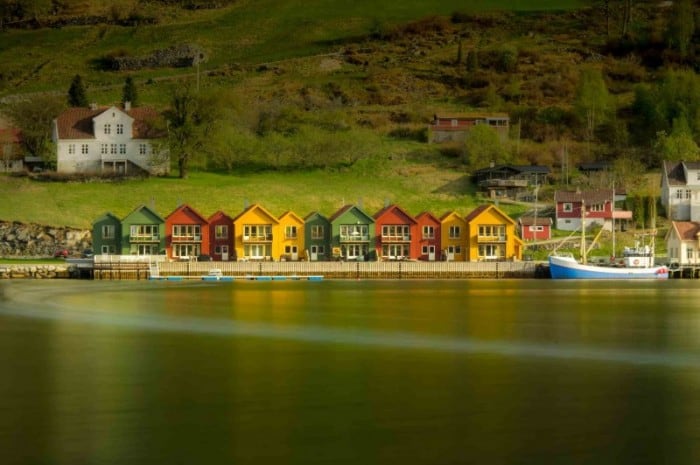
Oslo is not a city of one image. It combines a compact historic core, a formal civic center, residential hills, and an active waterfront. Old stone and brick buildings sit near modern libraries, museums, and stations, while the fjord edge has become a field for promenades, public art, ferries, and new architecture. The city’s scale is still readable in the street grid, but the topography breaks it into distinct zones.
For visual culture, that variety matters. Oslo offers winter light, wet pavement, timber interiors, concrete civic spaces, harbor reflections, and a strong tradition of restrained Scandinavian design. It is a place where architecture, photography, and object-making often share the same visual language: plain materials, careful joinery, and clear function.
Why does Oslo matter to design and visual culture?
Oslo matters because it sits at the intersection of national identity and contemporary making. As capital, it holds museums, archives, ministries, and public commissions that shape how Norwegian culture gets presented. As a city with a rebuilt historic center and a strong modern development drive, it also provides a clear case study in how cities layer old and new forms rather than preserving one fixed image.
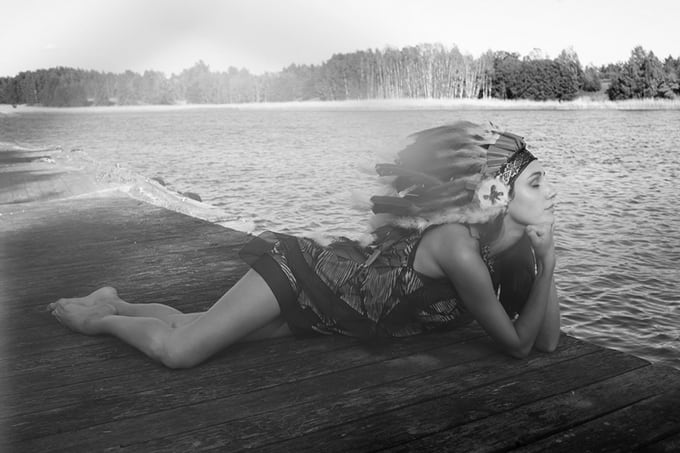
Many artists and designers connected to Oslo work with material honesty and close observation. Photographers use its winter skies, side streets, and waterfronts to frame quiet scenes rather than spectacle. Makers working in wood, stone, metal, and paper often respond to the city’s broader Nordic preference for clean surfaces and durable construction. Oslo is therefore not just a capital on a map; it is a working visual setting with a distinct material temperament.
Frequently Asked Questions
Is Oslo the same city as Christiania?
Yes. Christiania was the name given to Oslo after the 1624 fire, when the city was rebuilt near Akershus Fortress. The older name, Oslo, returned in 1925.
The name change reflects political history rather than a separate settlement. The city itself continued, but its center of gravity shifted and its official identity changed with the monarchy and later with Norwegian statehood.
What caused Oslo’s medieval center to disappear?
The decisive break was the fire of 1624, which destroyed much of the old town. Rather than rebuild on the same site, Christian IV moved the city nearer to the fortress for defensive reasons. That decision left the medieval core largely buried or fragmented beneath later development.
Archaeology and urban history have reconstructed parts of the early city, but the visible center today is largely a later one. The move explains why Oslo’s oldest layers feel dispersed rather than intact.
Why is Oslo relevant in articles about art and design?
Oslo appears often because it supports both institution and experimentation. It has major museums, public art commissions, and a strong design scene, but it also offers a visual environment that artists return to for its light, materials, and calm urban order.
That combination makes the city useful for photographers, sculptors, and designers alike. It is a capital that still reads as a lived, made place rather than a purely ceremonial one.