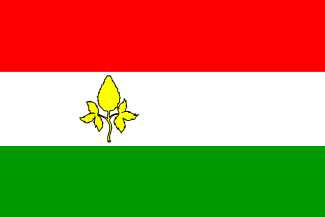
Peize is a village in the Dutch province of Drenthe, in the north of the Netherlands, about 10 kilometres south of Groningen. It sits in the municipality of Noordenveld, between Roden and Eelde, and functions today as a commuter village for Groningen and Assen. Peize was a separate municipality from 1817 until 1998, before being absorbed into Noordenveld.
- Type: Village
- Province: Drenthe
- Municipality: Noordenveld
- Population: About 5,300 in 2009
- Historical status: Independent municipality until 1998
Where is Peize?
Peize lies in the northern Dutch landscape of Drenthe, a province known for its low-lying fields, villages, and open horizons. Its position near Groningen makes it part of the city’s wider commuter belt, while its place between Roden and Eelde gives it a local role as a village among other settlements rather than as an isolated rural outpost.
That location matters because it shapes how Peize is experienced: not as a destination built around monuments or a dense historic centre, but as a lived-in place where housing, roads, and daily movement connect village life with nearby urban centres.
What kind of place is it?
Peize is a Dutch village with a modest population and a long administrative history. Its size gives it the scale of a community where local identity remains visible, but its commuter function means that many residents are tied to work and services elsewhere. That combination is common in the Netherlands, where villages often preserve a recognisable centre while relying on nearby towns and cities for part of their economic life.
Before becoming part of Noordenveld, Peize had its own municipality. That change in 1998 ended its formal independence as a local government unit, but it did not erase the village as a distinct place. In practice, the name still refers to the settlement itself and to the local character associated with it.
Why does Peize matter in design and architecture?
Peize appears in design and architecture contexts because places like this often provide the setting for contemporary interventions that depend on landscape, scale, and everyday use. A village in open country demands a different approach from a city centre: materials read more plainly, structures sit closer to the ground, and visual impact often comes from restraint rather than display.
In practice, this means that a project in Peize may need to respond to agricultural edges, cycle and road access, and broad views across the surrounding terrain. For architects and designers, the village is not just a dot on a map. It is a specific local condition that shapes how a building is placed, framed, and made to belong.
How has Peize changed over time?
Peize’s most important change in recent history was administrative rather than physical. The 1998 merger into Noordenveld folded the village into a larger municipality, a move that reflects a wider Dutch pattern of municipal consolidation. Such changes can alter governance and services without necessarily changing the daily appearance of the village itself.
The shift from independent municipality to part of a larger district also helps explain Peize’s current role. It remains recognisable as a settlement with its own local life, but it is now read increasingly as part of a regional network connected to Groningen and Assen. That gives it a practical rather than symbolic importance: it is a place where people live, travel, and return to each day.
Frequently Asked Questions
Is Peize a town or a village?
Peize is a village. In Dutch local geography, that usually means a smaller settlement with its own centre and community life, but without the size or administrative status of a city. Its population and commuter role fit that description well.
What municipality is Peize in?
Peize is part of the municipality of Noordenveld. It was its own municipality until 1998, when Dutch local government reorganisations brought it into the larger administrative area. The village itself, however, still keeps its own identity.
Why would Peize appear in an article about architecture?
Peize can matter as a site where a building or structure responds to a village landscape rather than an urban one. Projects there often rely on careful placement, local materials, and a direct relationship to open surroundings. That makes the place relevant when an artwork or building is designed to sit within the Dutch countryside.