A politician is a person who seeks, holds, or exercises power in government and public life. Politicians make, shape, defend, or oppose public policy, either as elected officials or through other routes to office such as appointment, inheritance, military takeover, coercion, or one-party rule. The term covers local councillors, heads of state, party leaders, ministers, and many figures who influence government without formally running it.
- Politicians work inside systems of power: elections, parties, parliaments, cabinets, courts, bureaucracies, and sometimes militaries.
- The word can describe officeholders and aspirants alike, not just people who have already won an election.
- Political authority may come from ballots, heredity, force, patronage, religious legitimacy, or constitutional appointment.
- The term is broad and often neutral, though it can be used dismissively when someone is seen as calculating or self-serving.
- Political leadership shapes laws, taxes, war, public spending, and the visual symbols of the state.
What a politician does
At its core, politics is the work of deciding how groups share power and resources. Politicians debate laws, negotiate coalitions, set budgets, appoint officials, and claim authority on behalf of a public, party, nation, or faction. In democratic systems they usually depend on elections and party organisations; in authoritarian systems they may rely on the military, secret police, dynastic succession, or controlled voting. The job is less about one fixed role than about controlling institutions that can produce binding decisions.
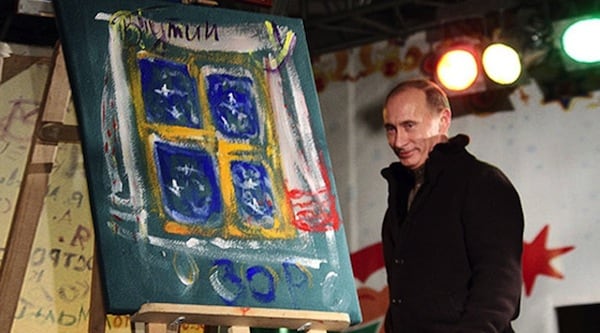
Politicians also operate as public symbols. Their speeches, dress, posture, and media appearances are part of how authority is staged. Posters, campaign rallies, official portraits, podiums, uniforms, and state ceremonies all help make political power visible. In visual culture, the politician is often the person whose face stands for a regime, movement, or historical moment.
Where the term comes from
The word comes from politic and ultimately from the Greek polis, meaning city-state. In English, politician originally described someone skilled in politics, often with a hint of craft or manoeuvre. Over time it became the ordinary term for a person engaged in government, while also picking up a second meaning: someone regarded as shrewd, opportunistic, or insincere.
That double sense still matters. A politician may be a public servant, a reformer, a party strategist, or a ruler defending an existing order. The same label can describe a democratic mayor, an authoritarian president, or a courtier close to power. The breadth of the term makes it useful, but it also hides major differences in how political power is obtained and used.
How politicians appear in practice
In practice, politicians are made through institutions. Elections reward campaign skills, money, messaging, and organisation. Parties recruit candidates, frame agendas, and discipline dissent. In hereditary or autocratic systems, family, military rank, religious status, or elite networks may matter more than public support. Whatever the system, the politician is usually someone who has learned how to turn influence into formal authority.
The visual language around politicians is highly codified. A campaign poster may compress identity into a face, slogan, colour, and national symbol. Official photographs often use suits, flags, desks, and controlled lighting to suggest competence and continuity. In harsher regimes, the portrait can become monumental or omnipresent, turning the politician into an emblem of the state rather than just one officeholder among many.
Why the category matters
Politicians shape the conditions under which artists, publishers, designers, and citizens work. They fund museums and schools, regulate speech, commission public buildings, control archives, and decide which images circulate widely. They also become subjects of satire, propaganda, protest, and portraiture, because their power is both practical and visible. In visual history, political figures matter not only for what they decided, but for how they were pictured, staged, and remembered.
The category remains useful because it gathers people who affect public life through authority rather than through one profession or ideology. A politician can be a reformist legislator, a revolutionary organizer, a monarch, or a strongman. What links them is the attempt to govern, contest, or monopolise collective decision-making.
Frequently Asked Questions
Is every government official a politician?
No. Many government workers are administrators, civil servants, or technical specialists rather than politicians. A politician usually seeks power, holds elective or senior decision-making office, or participates directly in contests over policy and leadership. A neutral clerk or engineer in government is part of the state, but not necessarily a politician.
Is the word politician always negative?
Not always. In formal use it is usually descriptive and neutral. In everyday speech it can carry suspicion, suggesting evasion, self-interest, or empty rhetoric. The tone depends on context, just as with words like “bureaucrat” or “manager.”
Can rulers who do not win elections still be politicians?
Yes. The term includes people who obtain or hold power by appointment, inheritance, coup, conquest, or other non-electoral means. A dictator, monarch, junta member, or revolutionary leader can all fall within the category if they are engaged in governing or controlling public decision-making. The label describes political function, not democratic legitimacy.
Articles mentioning Politician