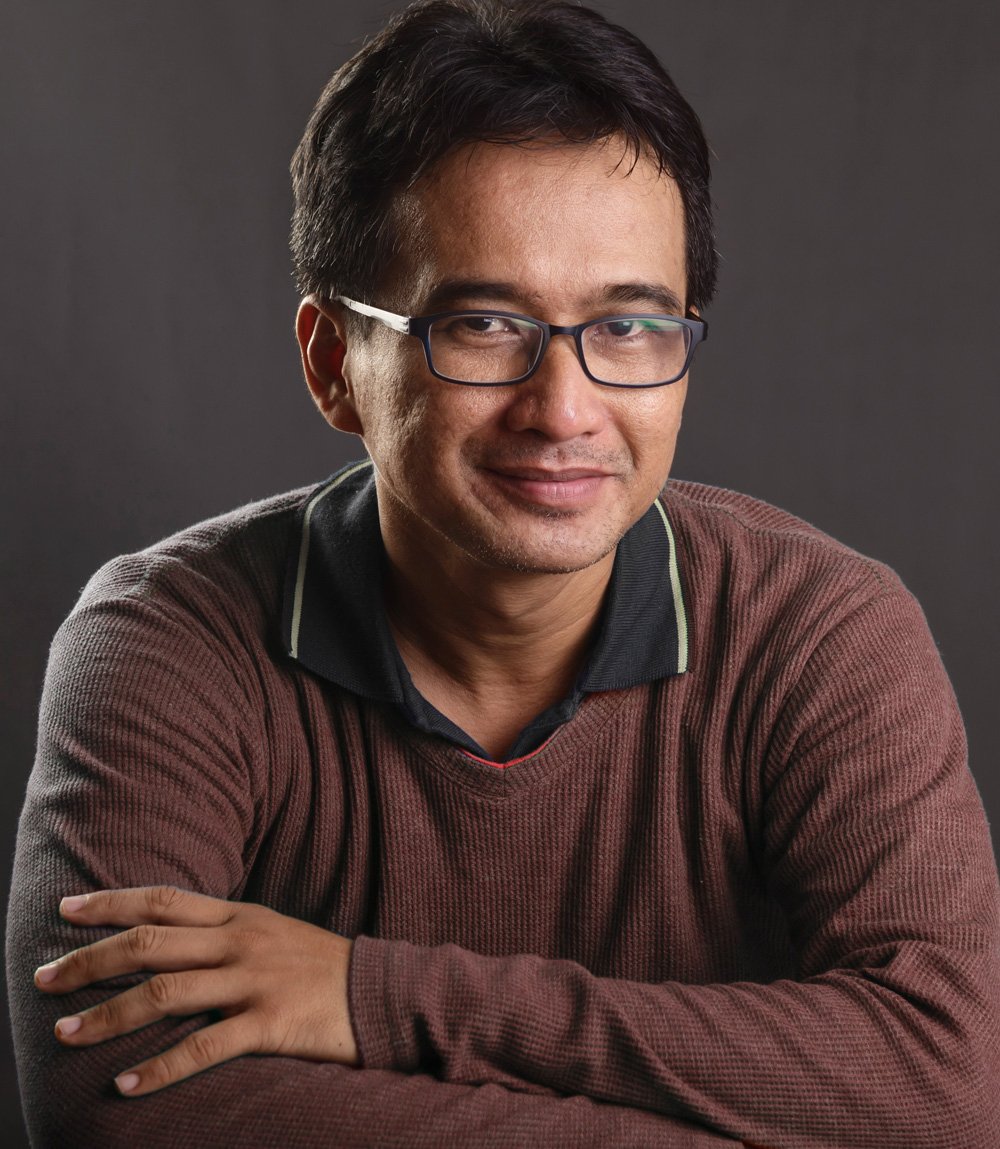
Rarindra Prakarsa

Rarindra Prakarsa is an Indonesian photographer known for staged-looking, atmospheric images that combine portraiture, rural life, and landscape into carefully composed scenes. His work often uses natural light, subdued colour, and a cinematic sense of timing to turn ordinary moments in villages and fields into images that feel larger than documentary observation.

FieldPhotography
Known forCinematic portraiture and rural scene-making
OriginJakarta, Indonesia
Primary subjectsPeople, culture, nature
Visual approachCareful composition, natural light, layered scenes

What kind of photographer is he?

Prakarsa works at the intersection of documentary photography and image-making that is highly arranged in feel, even when it draws from everyday life. His photographs often show figures in motion, children at play, workers in fields, or people moving through weather and landscape, with each element placed to build mood and narrative. The result is less a raw snapshot than a composed scene that still depends on real places, real gestures, and recognisable social settings.

He has said that he is drawn to people, culture, and nature, and his images reflect that mix. Rather than isolating a single subject, he tends to bring several layers into one frame: a person in the foreground, a textured rural backdrop, and light that softens the boundaries between them. That combination gives the work its signature feel, often described as cinematic because it suggests a story without spelling one out.

Why does his work look so cinematic?

The cinematic quality comes from structure as much as subject matter. Prakarsa often uses wide, balanced compositions, directional light, and a restrained palette that recalls film stills more than conventional travel photography. Faces and bodies are usually lit with care, while the surroundings remain visible enough to establish place and atmosphere.

His images also rely on timing. A good deal of the visual tension comes from a moment when movement, expression, and weather line up in a single frame: a child turning, a figure crossing a path, smoke, mist, or rain changing the tone of the scene. These photographs feel edited in-camera, with strong attention to foreground, background, and the distance between people and environment.

Where did his style come from?

Prakarsa is a city-born photographer from Jakarta, but the work he is most associated with turns away from urban life and toward rural Indonesia. That shift matters. It places him outside the dominant visual language of street photography or city reportage and toward an image of Indonesia shaped by agriculture, custom, and landscape. His photographs often carry that contrast between an urban maker and non-urban subjects.

The style also sits within a wider tradition of photographers who use staged or semi-staged realism to heighten everyday life. In practice, that means paying close attention to costume, weather, posture, and the arrangement of people in space. The photographs may look spontaneous, but the force of the image usually comes from deliberate control over colour, perspective, and light.

What makes him matter?

Prakarsa matters because his photographs helped popularise a polished, atmospheric way of representing Indonesian life to international audiences. His work shows rural scenes without reducing them to pure reportage or folklore. Instead, it uses photographic craft — composition, colour grading, and a sensitivity to ambient light — to give those scenes emotional weight.

For readers interested in how images are made, his work is useful because it demonstrates how photography can sit between documentation and construction. The scenes remain rooted in real people and settings, but the final frame is shaped to feel cohesive, lyrical, and narrative. That balance has made his photographs widely recognisable and influential among photographers drawn to cinematic realism.

Frequently Asked Questions

Is Rarindra Prakarsa a documentary photographer?

Not in the strict journalistic sense. His images draw from real people and real settings, but they are built for mood, composition, and storytelling rather than neutral reporting. The work sits closer to staged documentary or cinematic portraiture than to straight news photography.

What subjects does he photograph most often?

He frequently photographs people in rural environments, especially scenes involving children, workers, and everyday village life. Nature and weather are often part of the image, not just the background, because they help shape the emotional tone. Culture appears through clothing, gesture, activity, and place rather than through explicit explanation.

Why do so many of his images use soft, dramatic light?

Soft light helps his scenes feel unified and slightly timeless. It reduces harsh contrast, brings out skin tones and texture, and lets the landscape sit quietly behind the figures. That visual softness supports the cinematic effect that defines much of his work.