
Recife is a port city and metropolitan area in northeastern Brazil, and the capital of Pernambuco. It sits where the Beberibe and Capibaribe rivers meet before reaching the Atlantic, a setting that has shaped its trade, urban form, and waterfront culture. For artists, designers, and publishers, Recife matters because it is both a working port and a dense visual city: bridges, canals, warehouses, murals, and colonial facades coexist within a fast-growing metropolis.
Stories from Recife
2 stories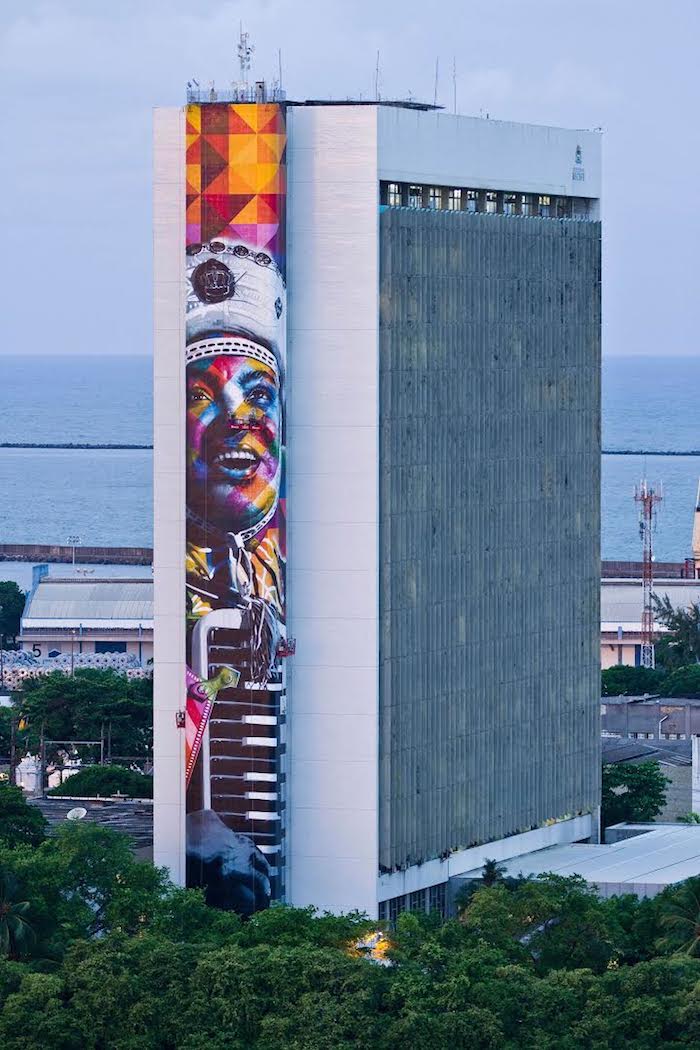

About Recife
- Type: Brazilian city and metropolitan area
- State: Pernambuco
- Region: Northeast Brazil
- Setting: River mouths opening onto the Atlantic Ocean
- Role: Major port, state capital, and cultural centre
Read the full overviewWhy Recife matters, What does Recife look like on the ground?, How has Recife shaped visual culture?, Frequently Asked Questions
Why Recife matters
Recife developed around water. The Capibaribe and Beberibe rivers divide and connect the city, creating islands, bridges, and low-lying districts that give the centre its distinctive pattern. This geography supported port activity and commercial exchange, which in turn brought layers of migration, labor, and building over several centuries. The city’s visual identity still reflects that history: old warehouses stand near dense street markets, restored historic buildings sit beside modern towers, and public art often uses long walls and open facades as canvases.
Its importance is not only economic. Recife is one of the main cultural centres of northeastern Brazil, with strong traditions in music, carnival, craft, and street imagery. That makes it a frequent setting for large-scale public works, including murals and urban interventions that depend on broad sightlines, heavy pedestrian traffic, and a cityscape already marked by strong color and texture.
What does Recife look like on the ground?
Recife has a layered built environment. In older areas, narrow streets and compact blocks sit close to canals and bridges, while newer districts spread outward with wider roads, apartment towers, and commercial frontage. The water is never far away, and the city often reads as a sequence of crossings: over bridges, across embankments, and along waterfront edges. That makes it especially legible from above and especially active at street level, where movement is constrained and visually concentrated.
In practice, that urban form creates good conditions for public art and graphic intervention. Large walls are visible from traffic corridors and river crossings, and neighborhood facades can act as landmarks. A mural in Recife does not sit in an empty field; it enters a city already full of surfaces, signage, shadows, and reflections. Artists working there often have to consider humidity, intense sun, salt air, and the scale of the surrounding buildings, all of which affect paint, pigment choice, and durability.
How has Recife shaped visual culture?
Recife’s history as a port has made it a point of contact between local and foreign forms. Architectural styles, religious imagery, commercial graphics, and popular craft traditions have circulated through the city for generations. The result is not a single visual language but a practical mix: colonial masonry, tiled facades, painted shop fronts, festival costume, and contemporary advertising all coexist in the same frame. This mixture gives the city a strong appetite for bold image-making.
That is one reason Recife appears often in discussions of muralism and urban art. A large mural placed there enters a visual environment already tuned to scale and contrast. Bright color, simplified figure work, and clear contours read well against the city’s heat and density. When artists work on Recife walls, they are not only decorating a building; they are inserting an image into a busy civic landscape shaped by trade, weather, and river geography.
Frequently Asked Questions
Is Recife the same as Pernambuco?
No. Recife is the capital city of Pernambuco, which is a Brazilian state. Pernambuco is the larger political region, while Recife is its main urban centre and administrative capital. The city also serves as the core of a wider metropolitan area that extends beyond the municipal limits.
Why is Recife often mentioned in relation to art?
Recife has prominent street life, large exterior walls, and a strong public visual culture, which makes it a natural site for murals and other outdoor work. Its port history also brought mixed influences, so the city is receptive to imagery that combines local identity with international graphic styles. Artists often use Recife as a canvas because the city already supports large-scale viewing.
What physical features define Recife?
The city is defined by rivers, bridges, and its Atlantic coastline. The meeting of the Beberibe and Capibaribe creates a watery urban landscape that shapes transport, neighborhood layout, and views across the city. These features give Recife a distinctive geography among Brazilian capitals and help explain its port function.