
The Red Sea is a narrow, saline sea between northeast Africa and the Arabian Peninsula, connected to the Indian Ocean through the Bab el Mandeb strait and the Gulf of Aden. It is one of the world’s most important waterways, linking the Mediterranean region to the Indian Ocean through the Suez Canal route, and it also supports a distinctive marine environment shaped by heat, evaporation, and a long history of tectonic activity.
Stories from Red Sea
5 stories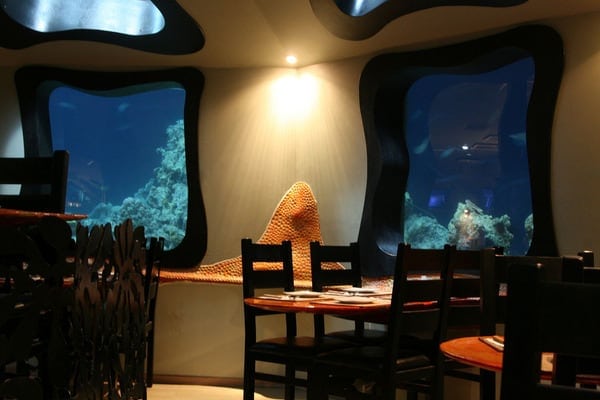



About Red Sea
- A seawater inlet of the Indian Ocean, not an inland lake or a separate ocean.
- Bounded by Africa to the west and Asia to the east.
- Known for coral reefs, clear water, and high salinity.
- Forms part of the Red Sea Rift, a branch of the Great Rift Valley system.
- Important for shipping, tourism, diving, and coastal development.
Read the full overviewWhere is the Red Sea, and why is it important?, What makes the Red Sea look and feel different?, How is the Red Sea formed?, Why does the Red Sea appear in design and visual culture?
Where is the Red Sea, and why is it important?
The Red Sea stretches roughly north-south for more than 2,000 kilometers, narrowing between coastlines that include Egypt, Sudan, Eritrea, Djibouti, Saudi Arabia, and Yemen. Its northern end splits into the Gulf of Suez and the Gulf of Aqaba, while its southern mouth opens toward the Gulf of Aden. That position makes it a hinge between Europe, Africa, and Asia, and one of the busiest strategic corridors in global trade.
Its importance is not only geopolitical. The sea’s warm, clear, mineral-rich waters have produced reef systems that are unusually resilient in a hot climate. Those reefs matter to fisheries, coastal livelihoods, and the tourism industry, but they also draw designers, architects, and artists who work with the Red Sea as an image of luxury, distance, and submerged life.
What makes the Red Sea look and feel different?
The Red Sea is famous for visibility. In many places, the water is remarkably clear, which makes reefs, drop-offs, and shipwrecks easy to see underwater. Coral gardens, hard corals, sea grasses, and brightly colored reef fish dominate the visual field, while the surrounding desert landscapes create a strong contrast between arid land and dense marine life.
High salinity and high temperatures shape the sea’s character. Evaporation is intense, freshwater input is limited, and that combination raises salt levels above those of many other seas. In practice, this creates a habitat that is demanding but productive, with marine life adapted to conditions that would stress other ecosystems.
How is the Red Sea formed?
The Red Sea sits above a rift zone, where the African and Arabian tectonic plates have been pulling apart for millions of years. That process opened a long, narrow basin and continues to shape the region through seismic activity and the slow creation of new oceanic crust. The Red Sea Rift is part of the larger Great Rift Valley system, which extends across eastern Africa and into the Arabian geological margin.
This tectonic origin matters because it explains the sea’s shape, depth patterns, and mineral profile. It also explains why the region has such strong geological drama: steep coastal escarpments, hot dry climates, and a landscape that feels newly made rather than settled.
Why does the Red Sea appear in design and visual culture?
The Red Sea often appears as a setting for projects that depend on water as both spectacle and infrastructure. Coastal resorts, underwater restaurants, diving lodges, and marine tourism developments use the sea’s clarity and reef life as part of the experience. In architectural and visual terms, it offers a strong palette: turquoise water, white limestone, black volcanic rock, and the bleached tones of desert coastlines.
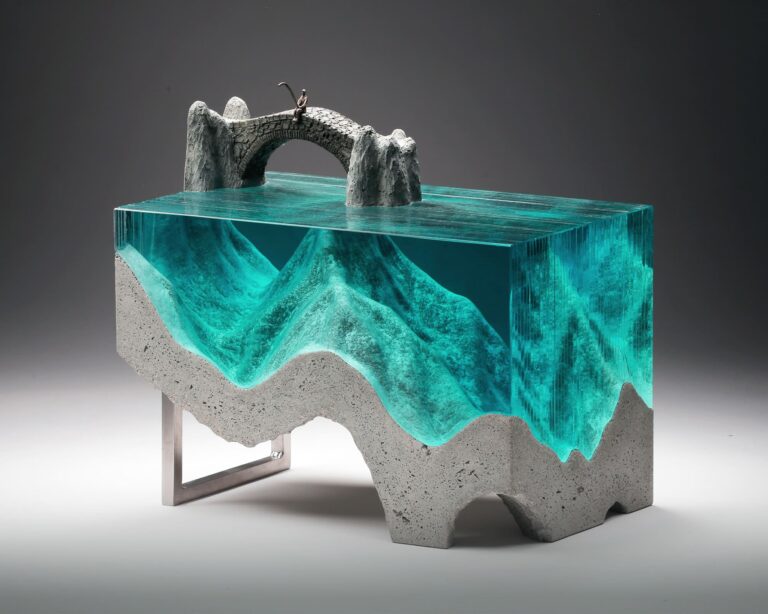
It also has symbolic weight. For artists and designers, the Red Sea can stand for crossing, separation, abundance, and fragility at once. That tension makes it useful in work about climate, extraction, maritime trade, and the luxury economy. When it appears in an article about sculptural forms, hospitality spaces, or speculative urbanism, it usually carries both a literal sense of place and an implied sense of vastness.
Frequently Asked Questions
Why is it called the Red Sea?
The name does not come from a single settled explanation. Scholars have proposed several origins, including ancient directional systems, seasonal color changes caused by algae or sediment, and symbolic associations in older regional languages. The modern English name has been in use for centuries, even though the sea itself is not usually red.
Is the Red Sea good for diving?
Yes. It is one of the best-known diving regions in the world because of its clear water, extensive reefs, and warm temperatures. Popular dive areas include sites near Egypt, Sudan, and Saudi Arabia, where reef walls, wrecks, and marine biodiversity draw both recreational divers and underwater photographers.
Is the Red Sea a sea or an ocean?
It is a sea: a long, narrow inlet of the Indian Ocean. More specifically, it is a marginal sea connected to the Indian Ocean through the Bab el Mandeb strait. Its size and strategic importance can make it feel oceanic, but geographically it remains a sea basin.