
Rihanna is a Barbadian singer, songwriter, actress, and fashion entrepreneur whose image-making has been as influential as her music. She emerged from Barbados in the early 2000s, signed to Def Jam Recordings as a teenager, and built a career that moves between pop, R&B, beauty, fashion, and editorial photography. In magazines and campaigns, she is often styled as both star and fashion subject: a performer who uses clothes, makeup, posture, and facial expression as part of the work.
Stories from Rihanna
14 stories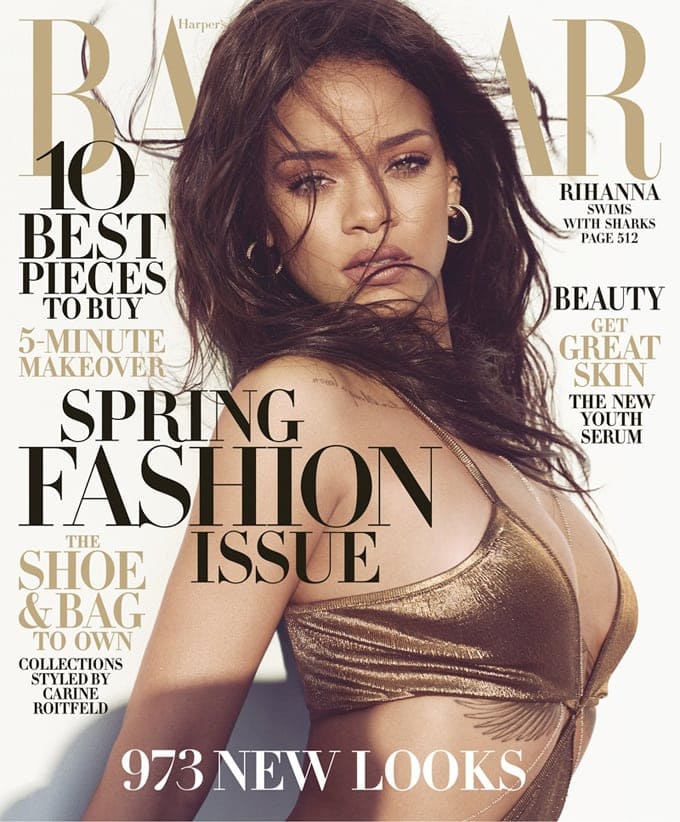


About Rihanna
- Origin: Saint Michael, Barbados; born Robyn Rihanna Fenty in 1988.
- Career start: Auditioned for producer Evan Rogers and later signed with Def Jam after meeting Jay-Z.
- Public image: Known for strong, shape-shifting styling across music, beauty, and fashion shoots.
- Industry role: Recording artist, actress, and founder-level fashion and cosmetics presence.
- Cultural weight: A major reference point for celebrity portraiture and contemporary style.
Read the full overviewHow did Rihanna become a global figure?, Why do photographers and magazines keep returning to her?, What does Rihanna represent in fashion and beauty?, What does her presence look like in print and on set?
How did Rihanna become a global figure?
Rihanna’s rise began with music, but her public identity quickly extended beyond the recording studio. After moving from Barbados to the United States as a teenager, she started making demo recordings under Evan Rogers’s guidance and signed to Def Jam Recordings in 2005. Early hits established her as a pop star with a distinctive voice, but her career developed through constant reinvention rather than one fixed image or genre.
That flexibility matters because Rihanna became a celebrity who could carry a fashion story, a beauty campaign, or a magazine cover with the same force she brought to a single. Her work sits at the point where pop performance meets visual culture. Editors and photographers use her face, hair, makeup, and wardrobe as raw material for a narrative about status, confidence, sex appeal, or control.
Why do photographers and magazines keep returning to her?
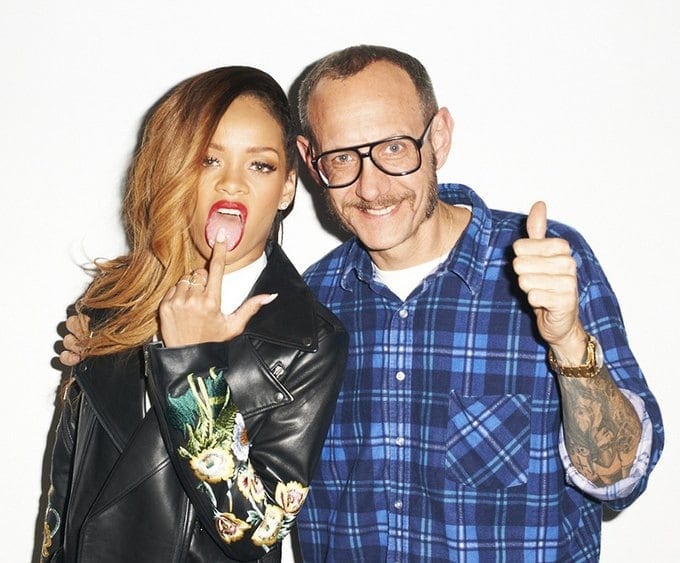
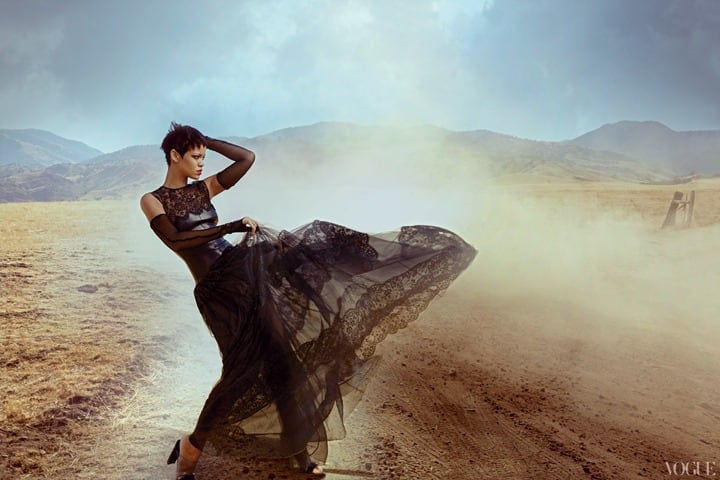
Rihanna photographs well because she understands portraiture as a performance. In editorials for publications such as Rolling Stone, Elle UK, 032c, and Harper’s Bazaar, she appears in ways that can be polished, confrontational, playful, or deliberately awkward. That range gives photographers room to build images that are less about simple glamour than about attitude and composition.
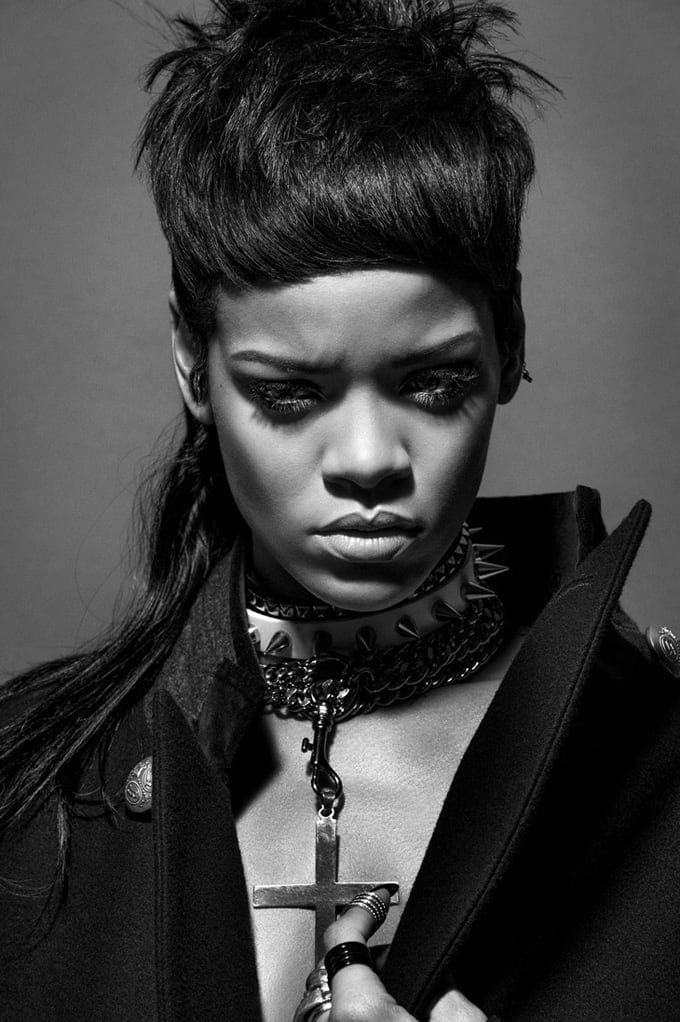
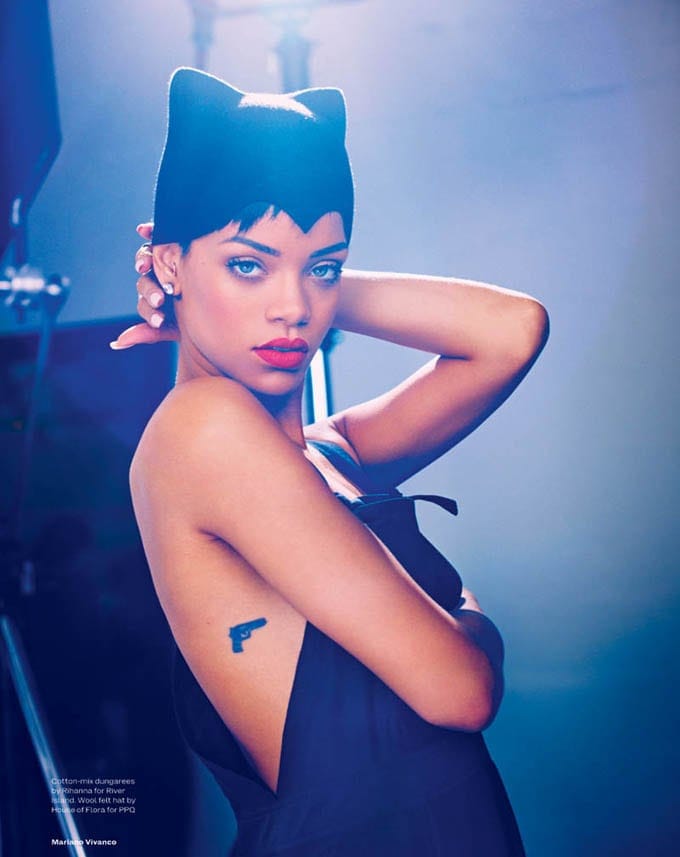
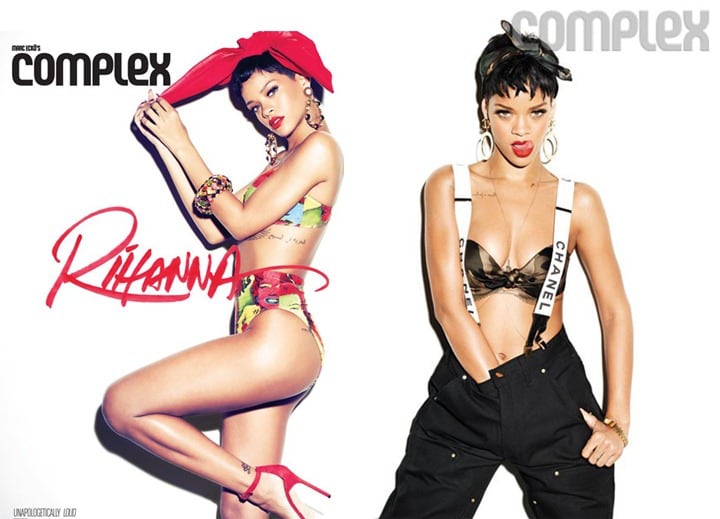
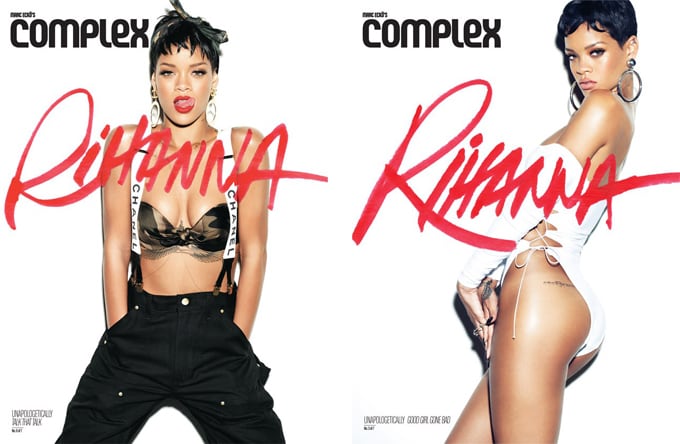
Her editorial work often uses strong contrasts: sharp tailoring against bare skin, heavy jewelry against simple backdrops, or luxurious fabrics against blunt expression. These choices make her a useful subject for fashion photography because she does not disappear inside styling. Instead, she makes styling legible. A garment, lens choice, or makeup look reads differently when her expression shifts from soft to severe in the same frame.
What does Rihanna represent in fashion and beauty?
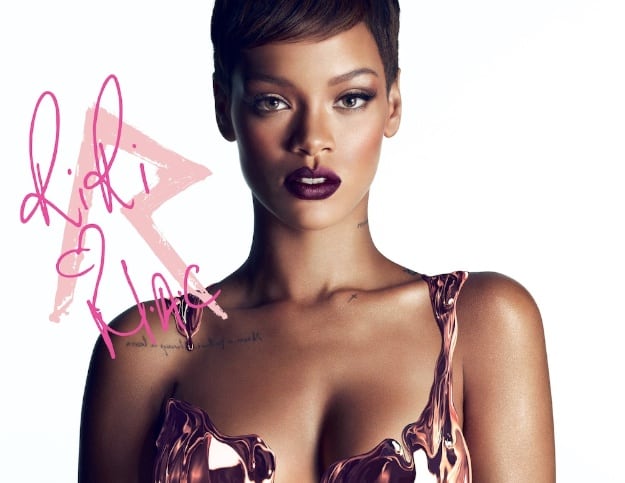
Rihanna changed the expectations for what a pop star can do inside fashion and beauty. Her collaborations and business ventures helped normalize the idea that a musician could be a serious commercial force in cosmetics and luxury style, not just a face for hire. In campaigns and magazine stories, she is often presented as both consumer and creator: someone who wears the product while also shaping the aesthetic language around it.
That role has practical consequences for how brands work. Rihanna’s involvement tends to bring casting, shade range, styling, and image direction into the conversation. She is especially associated with visibility and scale in beauty culture, where representation has to work at the level of product design as well as advertising image. Her influence is therefore not only symbolic; it affects how products are photographed, marketed, and understood.
What does her presence look like in print and on set?
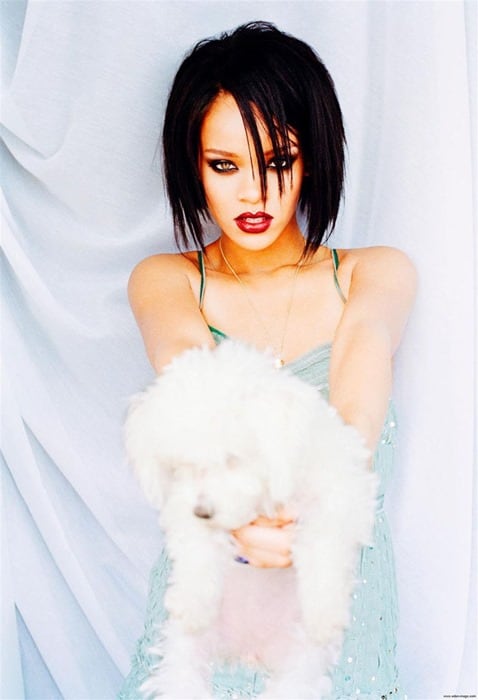
On the page, Rihanna often appears in looks that emphasize volume, sheen, or structure. Photographers use close framing to highlight skin and expression, or wider compositions to let clothing and setting carry equal weight. Her images frequently rely on high-contrast lighting, bold color, and deliberate styling shifts, from couture-like drama to stripped-back portraiture.
On set, that versatility gives teams a wide range of options. A fashion editor can move from beauty close-up to full-length garment shot without losing the subject’s presence. That makes Rihanna valuable to magazines that want more than a celebrity filler image. She can hold a page as a portrait subject, a style reference, or a cultural symbol, often at once.
Frequently Asked Questions
Is Rihanna primarily known as a musician or a fashion figure?
She is primarily known as a musician, but that answer leaves out a large part of her impact. Rihanna’s fashion and beauty presence became so influential that many readers encounter her first through magazine covers, campaigns, or brand work. Her career now sits across several industries, with music as the base and style as a major extension.
Why do editors treat her as a strong editorial subject?
She brings clear visual energy to a photograph, which helps turn a standard portrait into an image with narrative. She can project glamour without looking passive, and that gives photographers more control over mood and tension. In editorial terms, she is not just styled; she participates in the style.
What makes her different from other celebrity cover subjects?
Rihanna has a reputation for changing her look quickly and convincingly, which keeps her visually unpredictable. That matters in print culture, where repetition can flatten a celebrity into a fixed brand. Her images tend to feel current because they allow for risk, from hair and makeup changes to sharper or more experimental wardrobe choices.