
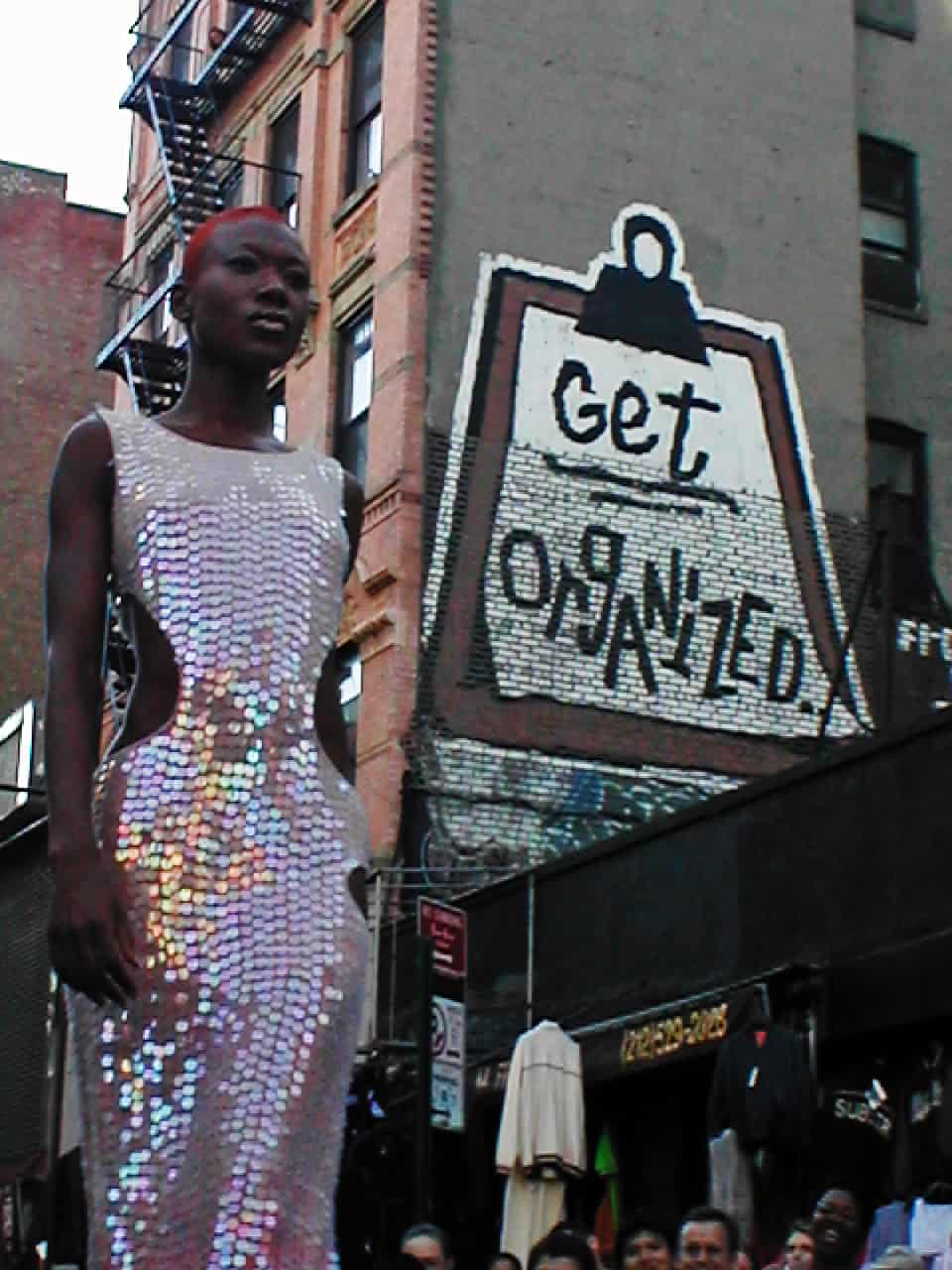
Sequins are small, thin decorative discs sewn onto fabric or other surfaces to catch light and add sparkle. They began as metal ornament and are now usually stamped from plastic, making them cheap, light, and easy to produce in large quantities. Their familiar glittering look appears on evening wear, costumes, accessories, handbags, shoes, and embroidery.
- Sequins are flat, reflective embellishments, usually with a hole in the centre or near the edge for stitching.
- Historically they were cut from metal; modern versions are mostly plastic or metalized plastic film.
- They come in many colours, sizes, and shapes, including rounds, stars, teardrops, and floral forms.
- In dressmaking and embroidery, they are used to build shimmer, pattern, and movement across a surface.
- Related terms include spangles and paillettes, though paillettes are often larger and flatter.
Where did sequins come from?
The word traces back through European dress and ornament, but the object itself has a longer history: people have long attached shiny discs to clothing as signs of wealth, ceremony, or spectacle. Early sequins were often cut from precious or semi-precious metals, then stitched onto garments that needed to read as expensive from a distance. Their appeal was practical as well as decorative, since a hard reflective surface throws back light in dim interiors and under stage lighting.
As industrial manufacture expanded, sequins shifted from hand-cut metal to stamped, mass-produced plastic. That change lowered the cost dramatically and made sequins available to dressmakers, costume departments, and hobby embroiderers. The move from metal to plastic also widened the colour range, since the material can be dyed, lacquered, coated, or metallized for different effects.
How are sequins made and attached?
Most modern sequins are made by stamping thin sheets of plastic into discs or shaped pieces, then colouring or coating them for shine. Some are foil-backed for stronger reflection; others are translucent, matte, or iridescent. Manufacturers also drill or punch a hole for sewing, or mould a small raised centre that helps the sequin sit flat on the surface.
In dressmaking, sequins are typically stitched one by one or in linked strands, often over tulle, satin, jersey, or embroidered ground fabrics. The stitching method changes the effect: dense overlap produces a scale-like surface, while spaced placement creates a scattered glimmer. In couture and performance wear, sequins may be combined with beads, bugle beads, and thread embroidery to build texture rather than just shine.
Why do sequins matter in fashion and decoration?
Sequins matter because they turn surface into event. A plain cloth catches light only where its weave changes; a sequin surface actively breaks light into flashes, making movement visible. That effect has made sequins central to stage costumes, dancewear, club fashion, ceremonial garments, and the kind of statement pieces that trade on visibility.
They also sit at an interesting point between ornament and labour. A sequined garment often looks effortless at a glance, but its making is slow and repetitive, whether stitched by hand or machine. That tension helps explain why sequins appear so often in discussions of embroidery, glamour, and the hidden work behind decorative clothing.
What do sequins look like in practice?
In practice, sequins may cover an entire dress, trace a motif on a jacket, or appear as small accents on a bag or shoe. Designers use them to outline flowers, gradients, geometric bands, and abstract fields of shine. Because they reflect light from different angles, sequins can read as bright and liquid in motion, then flatten into a patterned surface when still.
They also change meaning depending on scale and context. Tiny sequins can suggest refinement or shimmer; oversized ones can feel playful, theatrical, or deliberately excessive. In contemporary fashion, that flexibility makes sequins useful for everything from luxury embellishment to irony, nostalgia, and subcultural dress.
Frequently Asked Questions
Are sequins the same as spangles or paillettes?
The terms overlap, but they are not always identical. Spangles is a broad older term for shiny decorative pieces, while paillettes usually refers to larger, flatter sequins with more surface area. In everyday fashion writing, the words are often used loosely for similar ornament.
Are sequins always made of plastic?
No. Early sequins were often made of metal, especially in historical dress and ceremonial decoration. Plastic became dominant because it is cheaper, lighter, and easier to produce in many colours and finishes.
Why do sequins show up so often in embroidery?
Sequins add immediate light and motion to stitched work. Embroiderers use them to punctuate lines, fill areas, or create a shimmering background that changes as the garment moves. They are especially effective when combined with thread and beads, which give the surface both structure and sparkle.
Articles mentioning Sequin

