Sheffield is a city and metropolitan borough in South Yorkshire, England, shaped by heavy industry, river valleys, and a long working relationship with steel, cutlery, and metalworking. It takes its name from the River Sheaf, which runs through the city, and grew from a cluster of settlements into one of Britain’s best-known industrial cities. Today Sheffield is still associated with making, but its economy and visual identity also include universities, culture, and public art.
| Fact | Detail |
|---|---|
| Country | England, United Kingdom |
| Region | South Yorkshire |
| Historical county | West Riding of Yorkshire |
| Name origin | From the River Sheaf |
| Known for | Steel, cutlery, engineering, murals, and design-led making |
| Population | 551,800 (2011 estimate) |
Why Sheffield matters
Sheffield matters because it became a model of an industrial city built around materials and process. Ironworking and steel production shaped its streets, labour force, and reputation far beyond Yorkshire. The city’s name still carries that history, and many of its cultural references return to making rather than finance or administration.
That industrial base also left a visible mark on the city’s form. Warehouses, mills, workshops, and terraces sit alongside later civic buildings, postwar estates, and newer cultural spaces. In visual culture, Sheffield often appears as a place where production and everyday life overlap, not as a polished backdrop separated from work.
How did Sheffield become known for making?
Sheffield’s rise depended on access to water, coal, and transport, which supported grinding, forging, and finishing trades. The city became especially associated with steel and cutlery in the 18th and 19th centuries, when specialist makers developed techniques for high-quality blades, tools, and household goods. Small workshops and larger works both mattered, and the city’s reputation came from this dense ecosystem of skills.
That history is important because it was not only about one factory or one product. Sheffield’s identity formed through linked processes: metal preparation, sharpening, polishing, assembly, and trade. Even after heavy industry declined, the city kept a strong association with fabrication, engineering, and hands-on manufacture.
What does Sheffield look like in art and design?
In art and design, Sheffield often appears through surfaces that reflect its industrial past: brick, steel, concrete, painted signage, and weathered walls. Murals and street art use these settings well, partly because the city offers large facades and visible textures that suit graphic work. The city also has a strong tradition of public-facing visual culture, from civic art to contemporary murals.
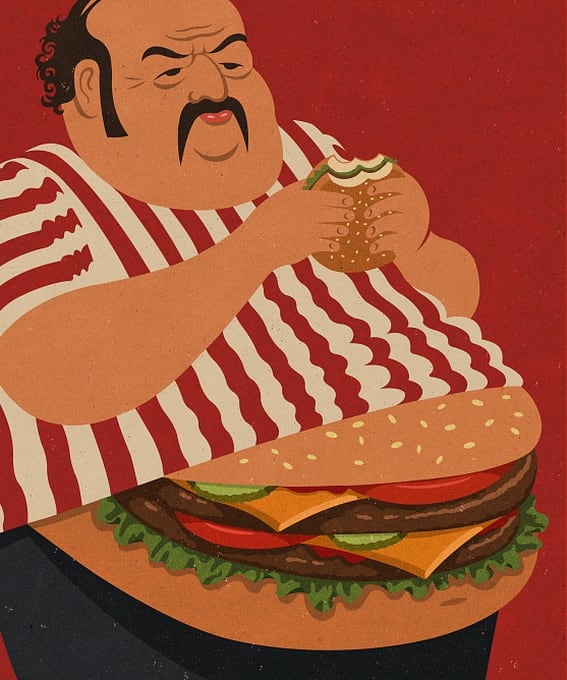
The named Sheffield artists and image-makers tagged on FreeYork point to that context. John Holcroft, for example, works in a style of crisp editorial illustration that often depends on plain symbols, structured compositions, and social commentary; Sheffield is part of the broader northern English setting in which such work circulates. Phlegm’s mural practice, with its tall, narrative figures and architectural scale, also fits a city that makes room for large walls and strongly textured urban surfaces.
What is Sheffield like now?
Sheffield is no longer defined only by steel, but the material history still shapes how the city is read and used. Universities, digital businesses, healthcare, cultural institutions, and independent makers now share space with older industrial sites and regenerated districts. The city’s economy is wider, but its identity still leans on the idea of practical skill.
That makes Sheffield useful as a reference point for design and visual culture. It is a city where the built environment still records labour, where public art can respond to scale and surface, and where making has never been a side note. Its appeal lies partly in that continuity: old industrial processes remain legible even when the city’s work has changed.
Frequently Asked Questions
Is Sheffield still an industrial city?
Not in the old sense of being dominated by steel mills and cutlery works. Those industries declined sharply, but engineering, fabrication, advanced manufacturing, and related services still matter. The city’s industrial past remains visible in its architecture, place names, and public identity.
Why is Sheffield often mentioned in discussions of design?
Sheffield has a long culture of making things well and making them from metal, which naturally connects to design. That reputation extends from tools and blades to contemporary fabrication, public art, and graphic practice. The city also provides a strong urban surface for murals, posters, and illustration.
Where does the name Sheffield come from?
The name comes from the River Sheaf, which flows through the city. The “-field” element refers to open land or cleared ground. Together, the name points back to the landscape before the modern city grew around it.
At a glance
- Address
- Sheffield, United Kingdom
- Coordinates
- 53.38361, -1.466945
Articles mentioning Sheffield