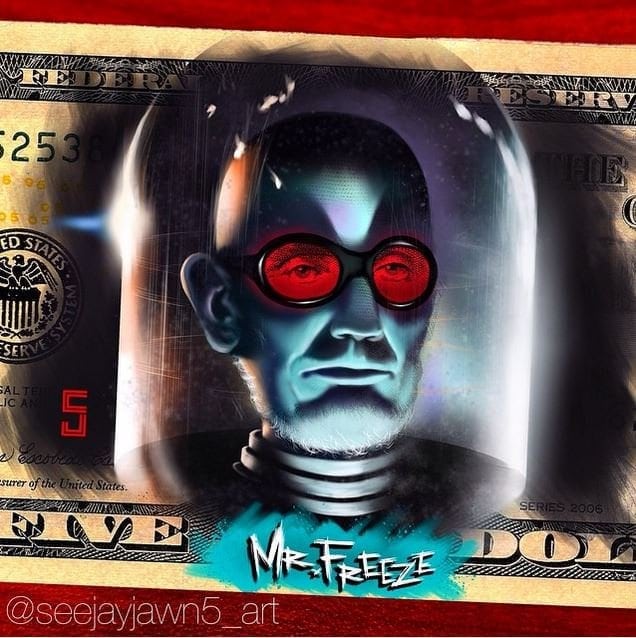
Thomas Jefferson was an American statesman, writer, diplomat, and architect who helped shape the United States in its founding decades. He drafted the Declaration of Independence, served as the third president, and later became known for his interest in classical architecture, collecting, and design. His image and words still circulate widely in American political culture, including on currency, monuments, and public buildings.
- Principal author of the Declaration of Independence in 1776
- Third president of the United States, serving from 1801 to 1809
- Learned from French and British neoclassical design during his years as a diplomat in Paris
- Built a visual legacy through architecture, correspondence, and portraiture
- Remains a contested figure because his democratic ideals sat alongside slaveholding
Why Thomas Jefferson matters
Jefferson mattered because he helped define the language of American liberty. The Declaration of Independence turned political grievance into a compact statement of universal rights, and Jefferson’s phrasing gave later generations a durable civic vocabulary. He also helped turn the early republic into a visual and material project, not just a political one, by paying close attention to buildings, furniture, gardens, and the presentation of public authority.
That material interest makes him unusually visible in design history. Jefferson collected books and objects, studied Palladian architecture, and designed or shaped spaces such as Monticello and the University of Virginia. Those projects show a preference for proportion, symmetry, and classical reference, ideas that became central to elite American architecture in the 19th century.
What did Jefferson actually make?
Jefferson did not work as a craft maker in the modern sense, but he was deeply involved in the design of things. He drew plans, wrote specifications, revised layouts, and chose forms carefully. At Monticello, he adapted European classical models to American conditions, using brick, wood, and plaster to create a house that looked ordered and learned rather than ostentatious.
His most important written artefact, the Declaration of Independence, is itself a designed object in a cultural sense: a text built for repetition, public display, and political use. Beyond that, Jefferson helped shape the early republic’s material language through his books, his correspondence, his taste for neoclassical interiors, and his emphasis on education as a civic instrument.
Jefferson and architecture
Jefferson’s architectural taste came from his reading and from his time in France. He admired Roman and Palladian forms, especially the use of domes, columns, pediments, and balanced facades. He rejected the cluttered excess associated with some aristocratic interiors and preferred a clearer composition that implied order, reason, and restraint.
Monticello is the best-known example of this approach, but the University of Virginia is even more explicit. Jefferson designed its Lawn as a sequence of pavilions and colonnades, placing education inside a carefully composed built environment. The result was a campus that treated architecture as an intellectual argument: knowledge should be framed by classical form and public space.
Why is Jefferson on money?
Jefferson appears on the US two-dollar bill and the nickel because currency turns national figures into everyday symbols. Banknotes and coins carry portraits that condense history into an image used in ordinary transactions. Jefferson’s face, paired with familiar architectural motifs such as the image of Monticello on the two-dollar bill, links political authority with the visual language of heritage.
That reuse explains why artists and designers keep returning to him. On money, Jefferson is less a private individual than a sign of republican legitimacy. He can be recast as a hero, a villain, or something between the two because his image already functions as public shorthand for the nation’s founding ideals.
Frequently Asked Questions
Was Thomas Jefferson mainly a politician or a designer?
He was mainly a politician, diplomat, and writer, but he also worked as a serious amateur designer. Jefferson treated architecture, interiors, and objects as part of public life, not as separate decoration. His built projects show consistent attention to proportion, classical references, and the organization of space.
Why is Jefferson a controversial figure?
Jefferson wrote powerfully about liberty while enslaving people for most of his adult life. That contradiction shapes how historians and designers view his legacy. He remains important, but any honest account has to include both his political ideas and the violence embedded in the society he helped found.
What visual style is associated with Jefferson?
Jefferson is associated with neoclassicism: symmetry, columns, domes, pale walls, and restrained ornament. The style draws on Roman and Palladian models and was meant to suggest learning, order, and civic virtue. In American design history, that look became one of the strongest visual signatures of the founding era.
Articles mentioning Thomas Jefferson